


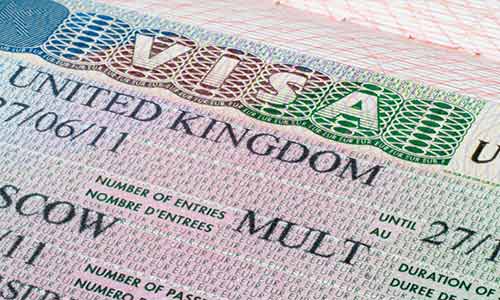
UK Tightens Visa Rules For Nigeria, Pakistan, And Sri Lanka Amid Asylum Concerns.
The British government has announced stricter visa regulations targeting nationals from Nigeria, Pakistan, and Sri Lanka, citing concerns over high rates of visa overstays and subsequent asylum claims. The move, part of a broader effort to reform the UK’s immigration system, aims to curb what officials describe as abuse of work and study visas.
According to internal Home Office assessments, applicants from these three Commonwealth nations are statistically more likely to remain in the UK beyond their visa expiry and apply for asylum. In 2024, the UK recorded over 108,000 asylum claims, with Pakistanis, Nigerians, and Sri Lankans among the most common nationalities transitioning from temporary visas to asylum applications. Notably, 10,542 Pakistani nationals, 2,841 Nigerians, and 2,862 Sri Lankans claimed asylum last year, with many having initially entered on legitimate work or student visas.

The Home Office is collaborating with the National Crime Agency to develop profiling models to identify high-risk applicants early in the process. A spokesperson stated, “Our upcoming Immigration White Paper will outline a comprehensive plan to restore order to our immigration system. We are building intelligence to spot patterns of abuse, ensuring those arriving on temporary visas do not exploit the asylum process.”
The policy shift has sparked debate, with some experts questioning its effectiveness. Professor Jonathan Portes, a senior fellow at UK in a Changing Europe, suggested the impact on overall asylum numbers may be limited, stating, “Restricting visas is unlikely to significantly reduce applications, as many claims stem from broader geopolitical issues.” Critics have also raised concerns about potential discrimination, with legal experts warning that the measures could face court challenges.
The government, however, insists the reforms are necessary to address public concerns over immigration, with net migration reaching 728,000 last year. Home Secretary Yvette Cooper emphasised the need for a balanced approach, saying, “We are committed to a fair but firm system that prevents misuse while welcoming genuine students and workers.”
The new restrictions are expected to be detailed in the forthcoming Immigration White Paper, set to be published next week. Affected applicants may face tougher scrutiny, including detailed assessments of financial documents to determine eligibility for visas and asylum support.
As the UK navigates this complex issue, the government faces the challenge of balancing border control with its international obligations and economic needs, particularly in sectors reliant on foreign talent. For now, nationals from Nigeria, Pakistan, and Sri Lanka can expect a more rigorous visa process as the Home Office seeks to restore public confidence in the immigration system.
