


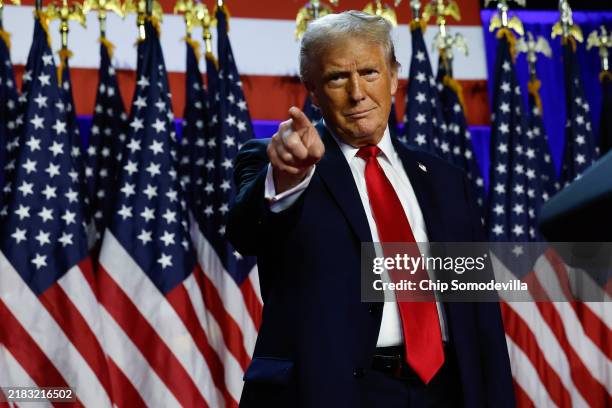
Trump Considers Authorising Ukraine To Use ATACMS Missiles For Deep Strikes Into Russia.
US President Donald Trump is reportedly contemplating a significant escalation in the Ukraine-Russia conflict by authorising Ukraine to use US-supplied ATACMS missiles for long-range strikes deep inside Russian territory, according to The Washington Post. This move could dramatically alter the dynamics of the ongoing war, raising concerns about further destabilisation in the region.
The Washington Post reports that Trump may permit Ukraine to utilise the 18 ATACMS (Army Tactical Missile System) launchers already in its possession to strike at their full range of 300 kilometres. These missiles, capable of targeting military bases, airfields, and supply depots deep within Russia, would enable Ukraine to hit strategic assets previously out of reach. A source involved in the discussions indicated that additional ATACMS munitions could also be supplied to Kyiv to bolster its offensive capabilities.

This potential policy shift follows months of advocacy from Pentagon officials, who have urged deeper strikes into Russia to undermine its military infrastructure. The Biden administration had previously authorised limited use of ATACMS inside Russia in November 2024, but with strict geographic restrictions. By January 2025, Ukraine’s stockpiles were reportedly depleted due to heavy fighting, and past strikes have included incidents where civilian targets were hit, such as a missile attack in Crimea last June that killed four civilians and injured over 150.
Trump’s consideration of this move comes alongside discussions of supplying Ukraine with Tomahawk cruise missiles, which have a range of up to 2,500 kilometres and could potentially reach major Russian cities like Moscow and St. Petersburg. While these were discussed as recently as 11 July, they were not included in the final weapons package, though sources suggest they could be deployed later to increase pressure on Russia. During a conversation with Ukrainian President Volodymyr Zelensky, Trump reportedly questioned why Ukraine had not targeted Moscow, prompting Zelensky to note that such strikes would require more advanced weaponry.
The international response has been one of cautious concern. Russian Foreign Minister Sergey Lavrov dismissed Trump’s 50-day ultimatum to resolve the conflict, warning of severe consequences for any escalation. European allies, already grappling with shortages of air defence systems like the US-made Patriot missiles, expressed unease about the potential for a broader conflict. NATO Secretary General Mark Rutte, who met with Trump recently, has reiterated the alliance’s commitment to supporting Ukraine, but some member states worry about the implications of deeper strikes into Russia.
Critics of the proposed policy highlight the risks of escalation, particularly given Russia’s retaliatory capabilities, as demonstrated by its use of a hypersonic ballistic missile against Ukraine in November 2024 following earlier ATACMS strikes. Ukrainian officials, however, argue that such capabilities are essential to counter Russian advances, particularly in light of Moscow’s intensified aerial assaults, including a record-breaking barrage of 539 drones and 11 missiles on Kyiv earlier this month.
Trump’s strategy appears to be driven by a desire to exert maximum pressure on Russian President Vladimir Putin, whom he has accused of ignoring ceasefire calls. The US president has also tied the potential missile authorisation to his broader diplomatic approach, threatening 100% tariffs on Russia’s trade partners if no progress is made toward peace within 50 days. This hardline stance has sparked debate, with some analysts suggesting it could force Moscow to the negotiating table, while others warn it risks inflaming an already volatile conflict.
As the world watches, the prospect of Ukraine wielding long-range US missiles against Russian territory underscores the delicate balance between supporting Kyiv and avoiding a wider confrontation. With Trump’s inauguration behind him and his administration shaping its foreign policy, the coming weeks will be pivotal in determining the course of the Ukraine-Russia war.
