


Trump Calls For Iran’s “Complete Surrender” As Israel-Iran Conflict Escalates.
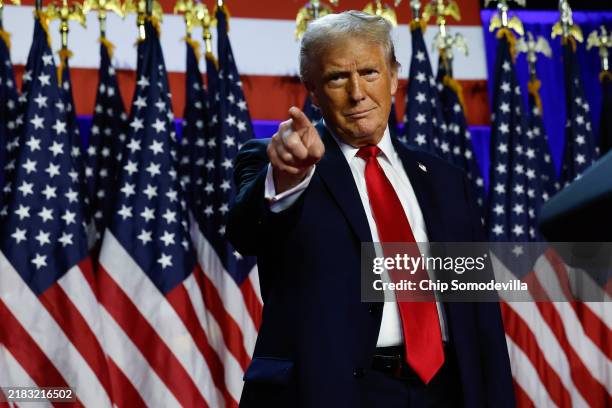
US President Donald Trump has intensified his rhetoric against Iran, demanding the nation’s “complete surrender” and the total abandonment of its nuclear programme as the ongoing conflict with Israel enters its fifth day. Speaking to reporters aboard Air Force One after departing the G7 summit in Canada early, Trump dismissed calls for a ceasefire, insisting on a definitive resolution to the escalating Middle East crisis.
“I have no desire to negotiate with Iran. I expect nothing less than their complete surrender,” Trump declared, as reported by Fox News. He added that he seeks “an end, a real end, not a ceasefire, a complete give-up” from Tehran, underscoring his hardline stance. The comments come amid Israel’s aggressive aerial campaign, dubbed Operation Rising Lion, which has targeted Iran’s nuclear and military infrastructure, including the state-run broadcaster’s headquarters in Tehran.

The conflict, which began on 13 June, has already claimed at least 24 lives in Israel and over 220 in Iran, raising global concerns about a potential regional escalation. Israel’s operation aims to neutralise what Prime Minister Benjamin Netanyahu has called an “existential threat” posed by Iran’s nuclear ambitions. Iranian missiles have struck Tel Aviv and Haifa, killing at least eight people and destroying homes, while Israel has reported the deaths of 11 senior Iranian generals, including Maj. Gen. Ali Shadmani, in targeted strikes.
Trump’s remarks align closely with Israel’s position, though they have strained relations with some Western allies who advocate for renewed nuclear talks. The International Atomic Energy Agency (IAEA) recently declared Iran in violation of its nuclear obligations, noting significant damage to its Natanz uranium enrichment facility, likely caused by an Israeli strike. Iranian lawmakers have responded by threatening to withdraw from the Nuclear Non-Proliferation Treaty, further complicating diplomatic efforts.
While Trump has expressed hope for a deal, stating at the G7 summit that “Iran is basically at the negotiating table,” he has consistently tied any agreement to strict curbs on Iran’s nuclear programme. “They can still work out a deal, however, it’s not too late,” he told Reuters, though he later suggested he was “not too much in the mood to negotiate.” The US President also warned Iran against targeting American assets, stating, “We’ll come down so hard, it’d be gloves off.”
The conflict has prompted significant international response. The US Embassy in Jerusalem has closed, with staff and their families ordered to shelter in place, while Ben Gurion Airport and Israeli seaports have ceased operations. China has begun evacuating its nationals from both Israel and Iran, urging both nations to ensure the safety of its citizens. Meanwhile, a US Democratic senator, Tim Kaine, has introduced legislation to limit Trump’s ability to use military force against Iran without Congressional approval, reflecting growing unease about the risk of a broader war.
As the situation deteriorates, global leaders are urging restraint. UN Secretary-General António Guterres condemned the military escalation, particularly Israel’s attacks on Iranian nuclear facilities, while nuclear talks scheduled in Oman hang in the balance. Trump’s early departure from the G7 summit, where he reluctantly signed a statement calling for de-escalation, underscores the urgency of the crisis.
The world watches anxiously as the Israel-Iran conflict, fuelled by years of tension and now direct military engagement, threatens to spiral further. With Trump’s uncompromising demands and Israel’s relentless campaign, the path to diplomacy appears increasingly fraught.
