


Tinubu Administration Faces Backlash Over Japan Visa Claims.
The Nigerian Federal Government, led by President Bola Tinubu, has come under scrutiny following a controversial claim about a special visa arrangement with Japan, which was swiftly debunked by Japanese authorities. Bolaji Abdullahi, National Publicity Secretary of the African Democratic Congress (ADC), has accused the administration of spreading false information in a bid to generate positive headlines amid domestic challenges. The controversy has sparked debates about the credibility of government communications and Nigeria’s international reputation.
On 22 August 2025, Abiodun Oladunjoye, Director of Information at the State House, announced that Japan had agreed to introduce a “special visa category” for highly skilled, innovative, and talented young Nigerians to live and work in Kisarazu. The statement also claimed that artisans and blue-collar workers willing to upskill would benefit from this arrangement. However, the Japanese foreign ministry issued a statement on 25 August, firmly denying any plans to create special visa categories for Nigerians or promote immigration from African countries, labelling the reports as untrue.

Abdullahi, a former Minister of Sports, described the incident as an embarrassing indictment of the Tinubu administration’s communication strategy. Writing on X, he stated, “This denial by the Japanese authorities shows that the Tinubu/APC government has become so desperate for positive headlines that they would not mind spreading fake news.” He further expressed frustration, noting that the government’s actions have eroded public trust, adding, “The truth is, with this government, we don’t know what to believe anymore. This embarrassment just has to stop.”
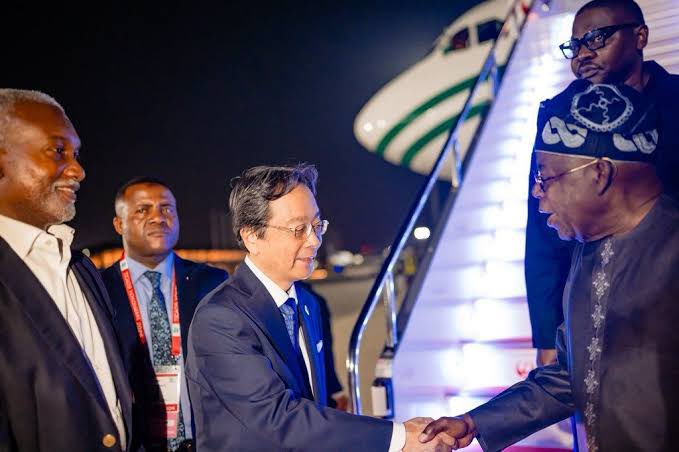
The controversy unfolded against the backdrop of President Tinubu’s attendance at the Tokyo International Conference on African Development (TICAD) in Japan, where the visa claim was initially publicised. Critics argue that the incident reflects poorly on Nigeria’s diplomatic engagements, particularly as the government seeks to strengthen international partnerships. The ADC has called for greater accountability in official communications to prevent further damage to Nigeria’s global image.
While the Tinubu administration has yet to respond to the criticism, the episode has fuelled discussions about the need for accurate and transparent government messaging. As Nigeria navigates complex domestic and international challenges, stakeholders are urging the administration to prioritise credibility to rebuild public confidence and maintain strong diplomatic ties.
