


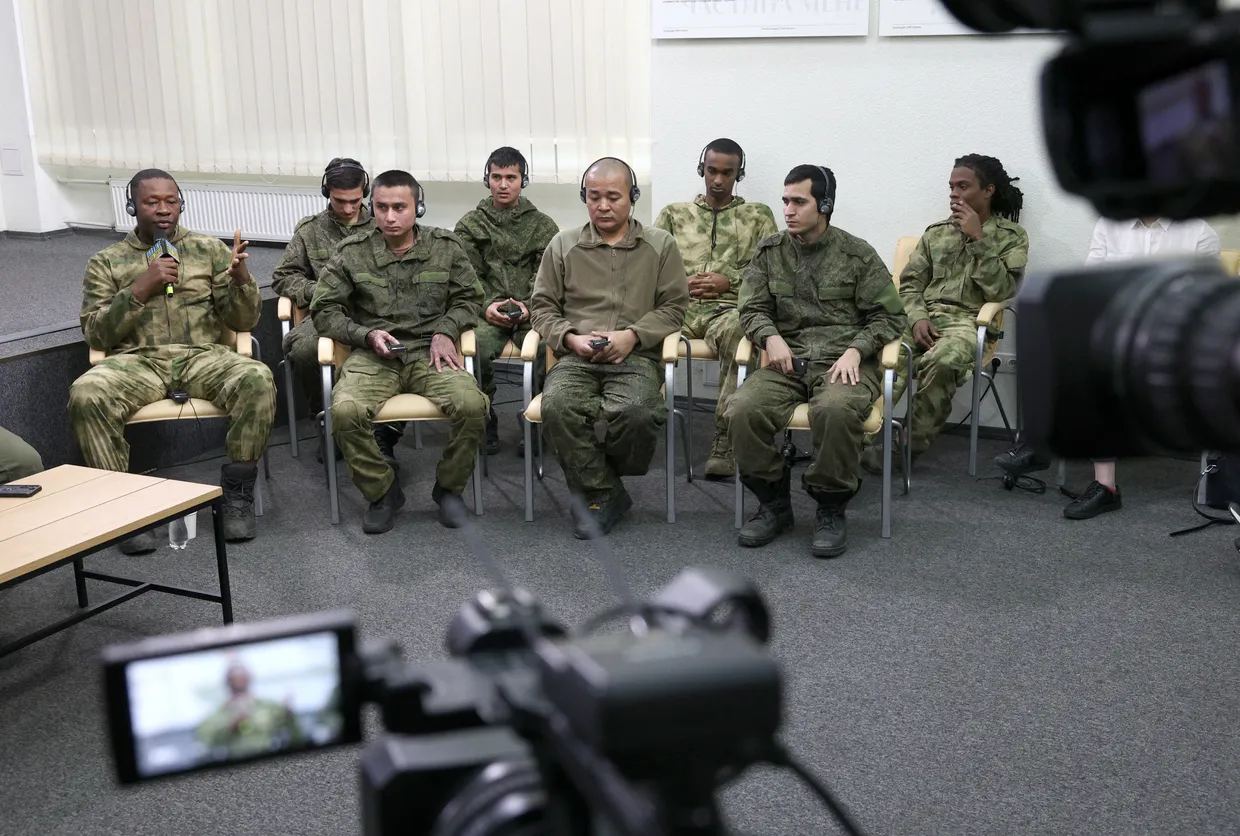
Adil Muhammad, a Somali, sits in a Russian military uniform among other prisoners of war (POWs) in a press conference in Ukraine’s capital in mid-March.
Kyivindependent, the Ukrainian news outlets report that the former infantryman was captured in combat near Marinka in Donetsk Oblast while fighting with the Russian army in Ukraine in early 2024, five months after he came to Moscow on a tourist visa to work and only four days after being deployed to the front lines.
Three months into working for $140 a month at a clothing factory, Muhammad saw a billboard with a Russian army advertisement. He described the one-year military contract terms as a “dream” — a $2,000 monthly salary, 14 times higher than back home, army service inside Russia, and Russian citizenship.
Muhammad and seven other POWs prisoners of war, including five Nepalis, a Cuban, and a Sierra-Leonian, say they came to Russia seeking an escape from poverty. They also say they were tricked into fighting for Russia on the front lines in Ukraine.

“If I returned to Somalia with the money I made serving, I would be a king. I swear to God. The only problem (is that the Russians) put us in the first line,” Muhammad told the Kyiv Independent after the press conference.
As Russian casualties mount and Moscow runs low on inmates to fill its ranks with, Russia has intensified recruitment efforts, targeting foreigners in low-income countries and migrant workers to bolster its war against Ukraine.
Ukraine’s governmental agency responsible for POWs says the share of foreigners with the Russian military has been growing over the last six months when the Ukrainian military first observed large numbers of foreign fighters on the front lines.
The fate of those captured is up in the air. They could be swapped if either Russia or their home countries are interested, although the Kremlin generally shows little interest in exchanging them.
Ukraine also wants to try to charge these foreign soldiers as mercenaries as their primary reason behind wanting to fight is money. If found guilty of mercenarism, they could lose their status as prisoners of war and end up in a Ukrainian prison, where the conditions are far worse than in prisoner-of-war camps bound by international conventions.
But proving they are mercenaries is extremely difficult as several criteria must be met in order to do so, says Gyunduz Mamedov, an expert on international and Ukrainian criminal law and a former deputy prosecutor general of Ukraine.
Recruitment in Russia
A week before Muhammad was captured in Ukraine, Russian President Vladimir Putin solidified the framework for recruiting foreigners with a new decree in January that outlined the benefits for foreigners who serve in the Russian military.
Russia entices foreigners with lucrative salaries, citizenship, and comprehensive social welfare benefits. With each new decree, the Kremlin has gradually eased military enlistment requirements, such as needing residency to join the military, and expanded its list of incentives to join.
Under Putin’s latest decree, the third on foreign recruits since the start of the full-scale invasion, signing a one-year military contract grants foreigners Russian passports along with their spouses, children, and parents upon application.
It is unclear how many foreigners Russia has managed to recruit. Ukrainian authorities don’t disclose how many non-Russian POWs are currently in custody in Ukraine.
Petro Yatsenko, spokesperson of Ukraine’s governmental agency for the treatment of POWs, said that only one in a thousand foreigners fighting on the Russian side has been taken as a POW by the Ukrainian military.
While working in Russia, Sujan Subedi, a POW from Nepal, watched Nepalese soldiers’ TikTok videos advertising money and a passport in exchange for Russian military service.
“If there is a lot of money, there are no problems at home,” Subedi said, citing one of the advertisements as he spoke to the Kyiv Independent in broken Russian.
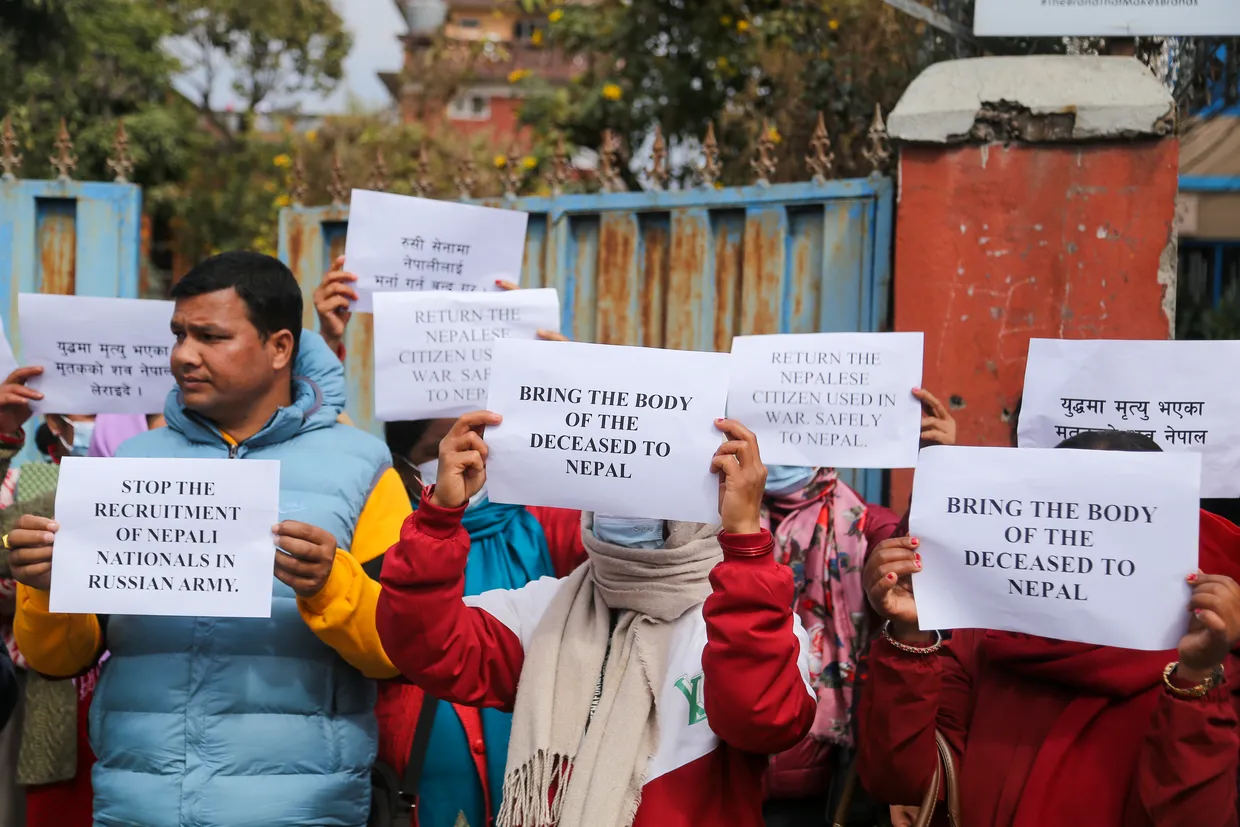
CNN reported on Feb. 11 that Russia recruited 15,000 Nepalis to fight against Ukraine, with several being confirmed killed in action. Nepal halted issuing work permits for Russia for its citizens after urging Moscow to cease recruiting locals.
Subedi, a Nepalese prisoner of war who, unlike the others, had gone to Russia about a year before being recruited, says he was approached by an Indian man who proposed he sign a military contract.
Although he expressed concerns to the man, he assured him that Subedi would probably serve in medical or support forces far from the combat zone.
“I was just given documents to sign and joined the army,” Subedi said, adding that he received $4,800 for five months of service, even though he was promised $2,000 a month.
However, not everyone succeeds in securing the funds. Yatsenko said Russia’s offer has a catch:
Subedi, marked by burns on his hands and face from combat, eventually gave the money to the Indian man who helped him secure a military contact, referring to it as settling a “debt.” He didn’t explain what the debt was for but said he had paid it before having the chance to send any money back home.
Prisoners of war said they saw soldiers from India, Ghana, Cameroon, Tajikistan, Kazakhstan, Jordan, Iraq, China, Serbia, and France, among other nationals, fighting on the Russian side.
“Here is the representative sampling (of non-Russian national POWs),” Yatsenko told the press conference, suggesting there are more Nepalis than other foreign fighters in Russia’s military.
The Centre for National Resistance, a Ukrainian government agency, claimed in February that “tens of thousands of African and Asian nationals are fighting on the Russian side.”
The recruitment continues.
Cuba, where the recruitment ads come while scrolling through one’s Facebook feed, serves as a healthy source of foreign fighters for the Russian army.
“The flow of mercenaries from Cuba does not cease as Russian recruiters feel free there,” said Yatsenko.
The Cuban recruitment activity, first reported by Reuters, began several weeks after Putin’s May 2023 decree enabling foreigners who joined the military on year-long contracts to obtain Russian citizenship, along with their family members.
“In Cuba, we don’t have many possibilities to earn money, so I saw this as an opportunity to help my family,” Frank Dario Jarosey, a genial Cuban POW with dreadlocks, told the Kyiv Independent, adding he had to sell his phone just to get to the Havana airport in order to fly to Russia.
Conditions in custody
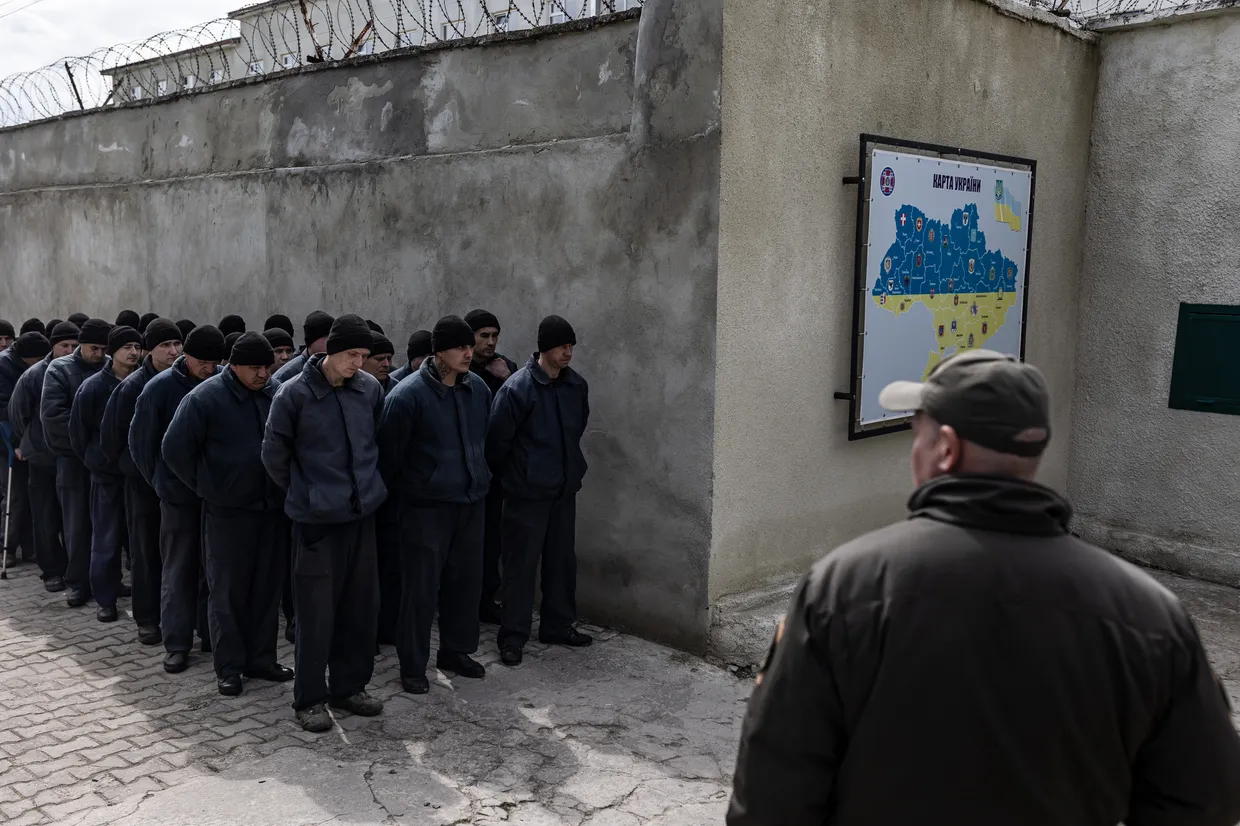
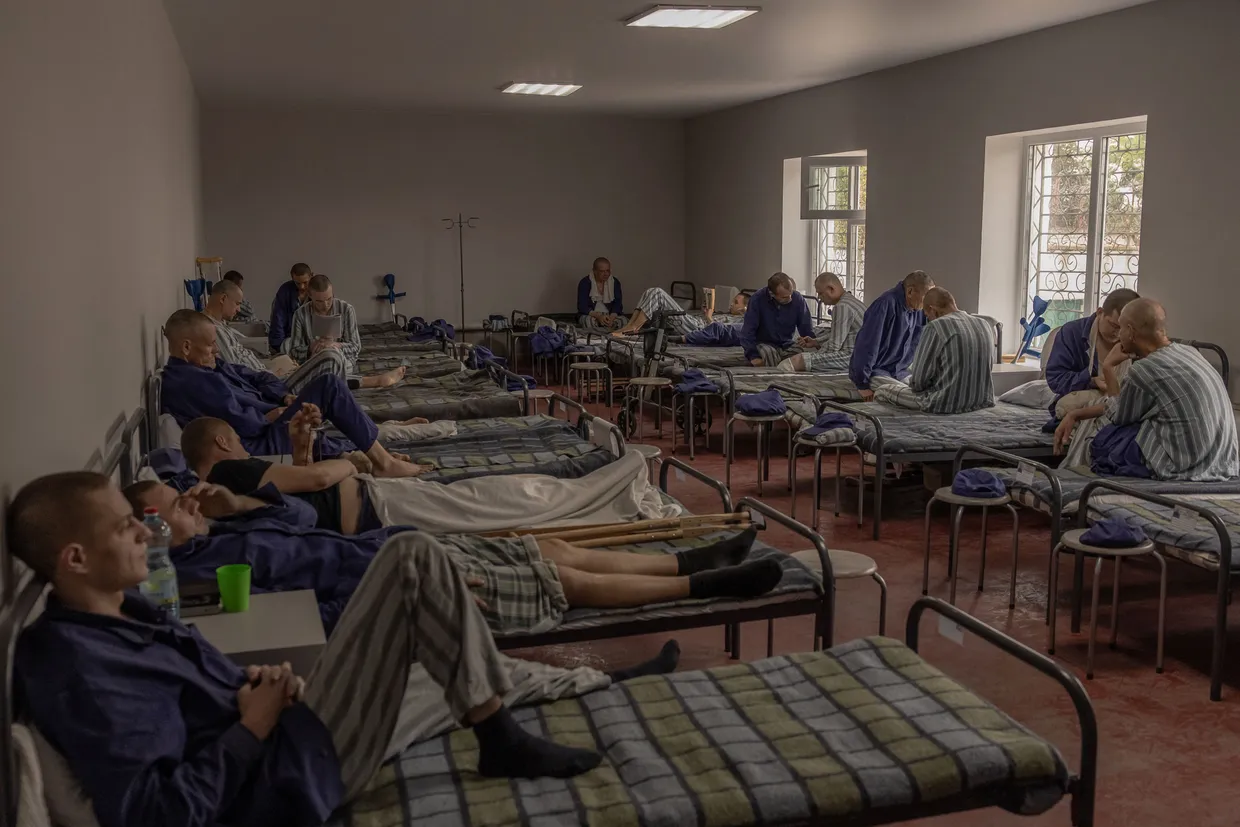
Yatsenko said all eight POWs were held with other prisoners of war, but declined to directly answer whether foreigners were being held alongside Russians.
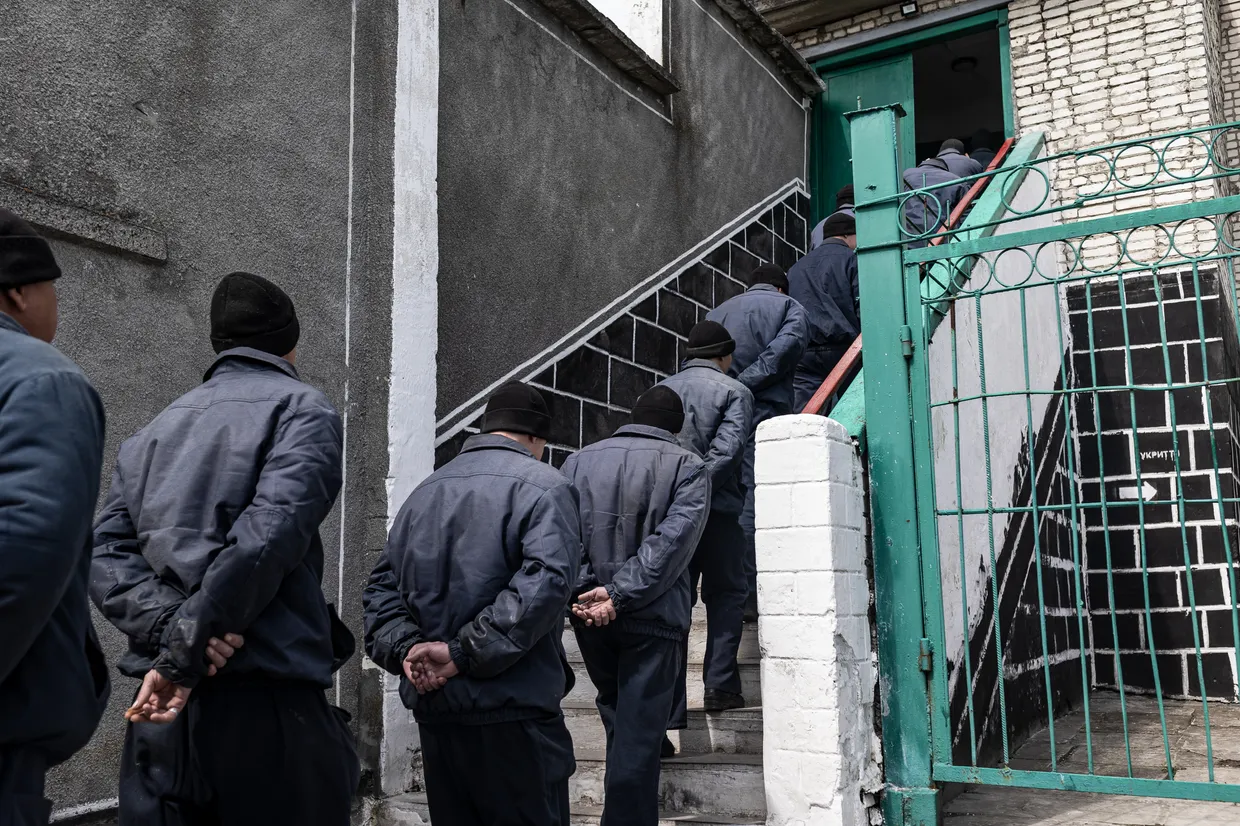
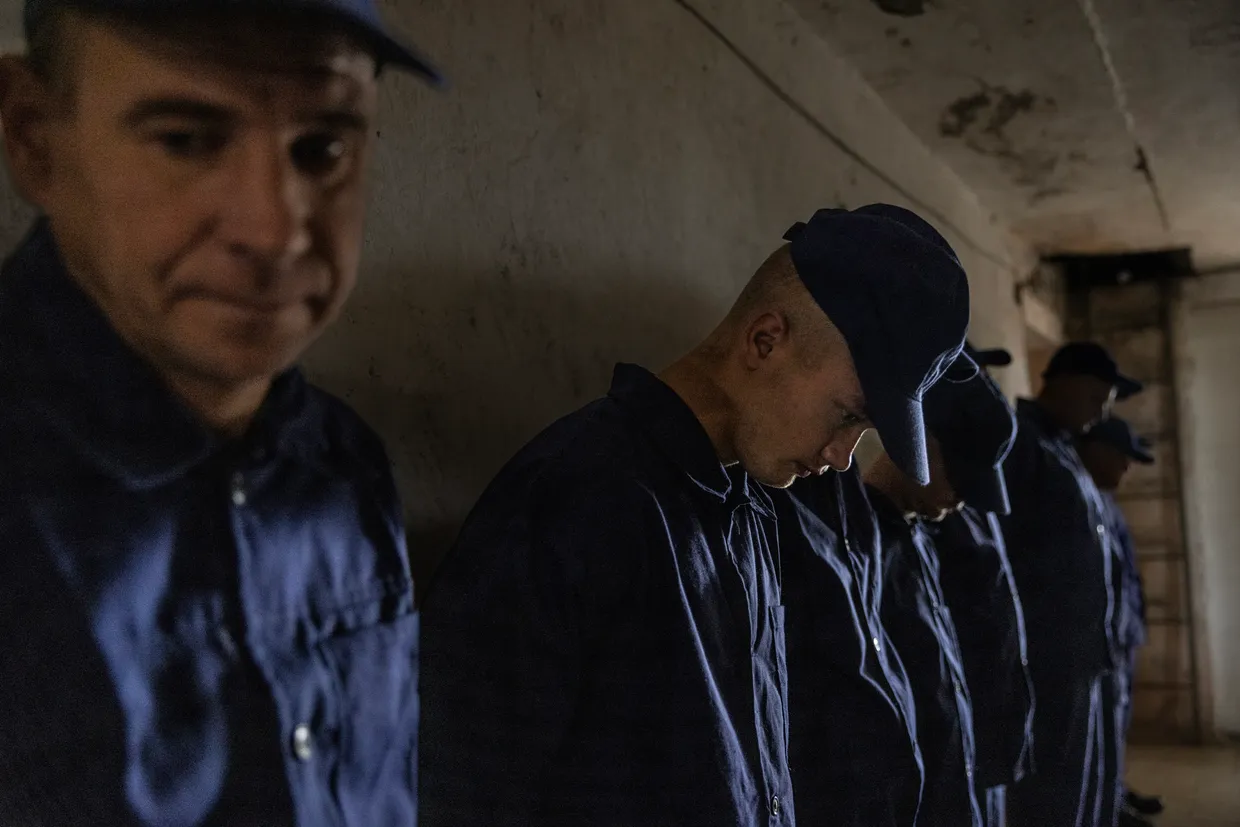
After Russian soldiers, mercenaries, and forcibly conscripted Ukrainians from occupied Donbas are captured, they move through a series of detention centers across Ukraine before arriving at prisoner-of-war camps.
Although the eight men claimed they were speaking freely, when the Kyiv Independent talked to the Cuban POW about the conditions in custody, a masked guard signaled him not to answer this question.
A military intelligence operative who wasn’t authorized to speak to the media told the Kyiv Independent that foreign POWs were kept in an undisclosed pre-detention center without providing other details. The conditions in such facilities can vary from place to place.
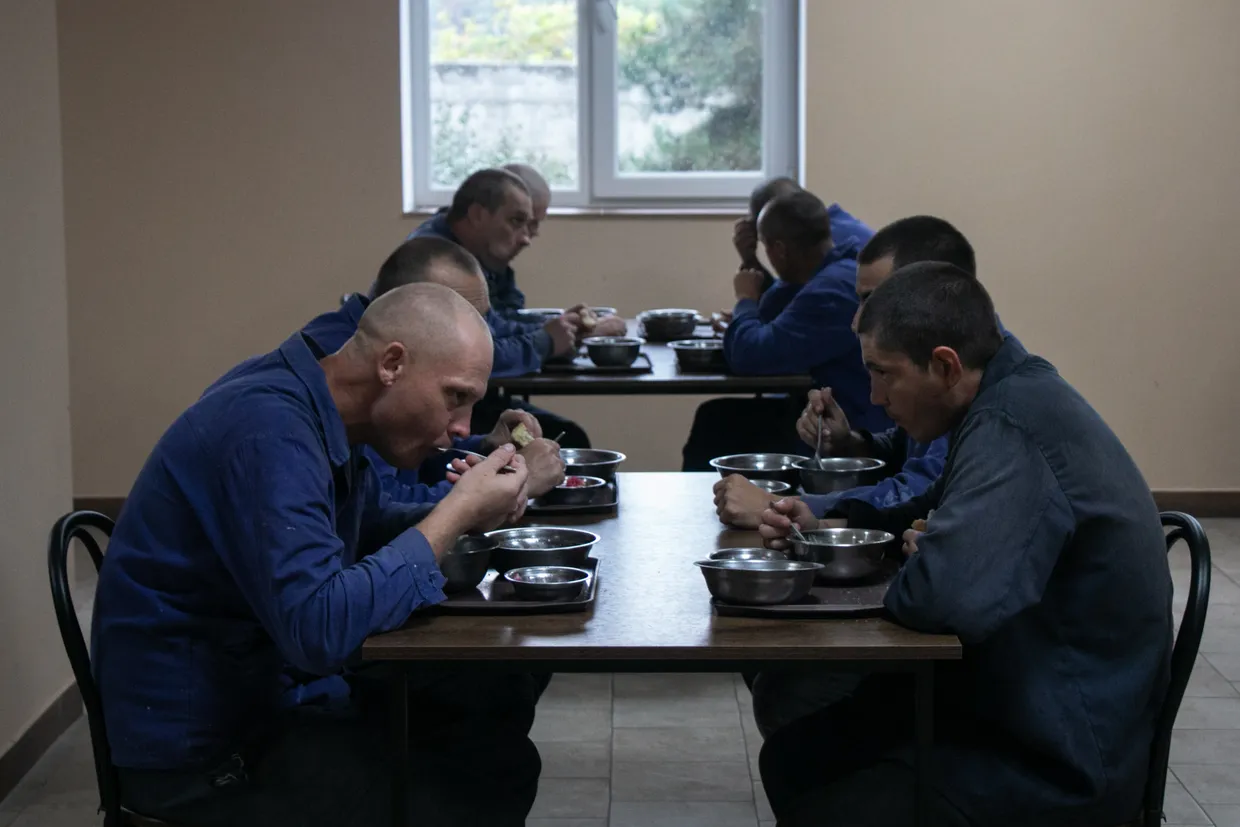
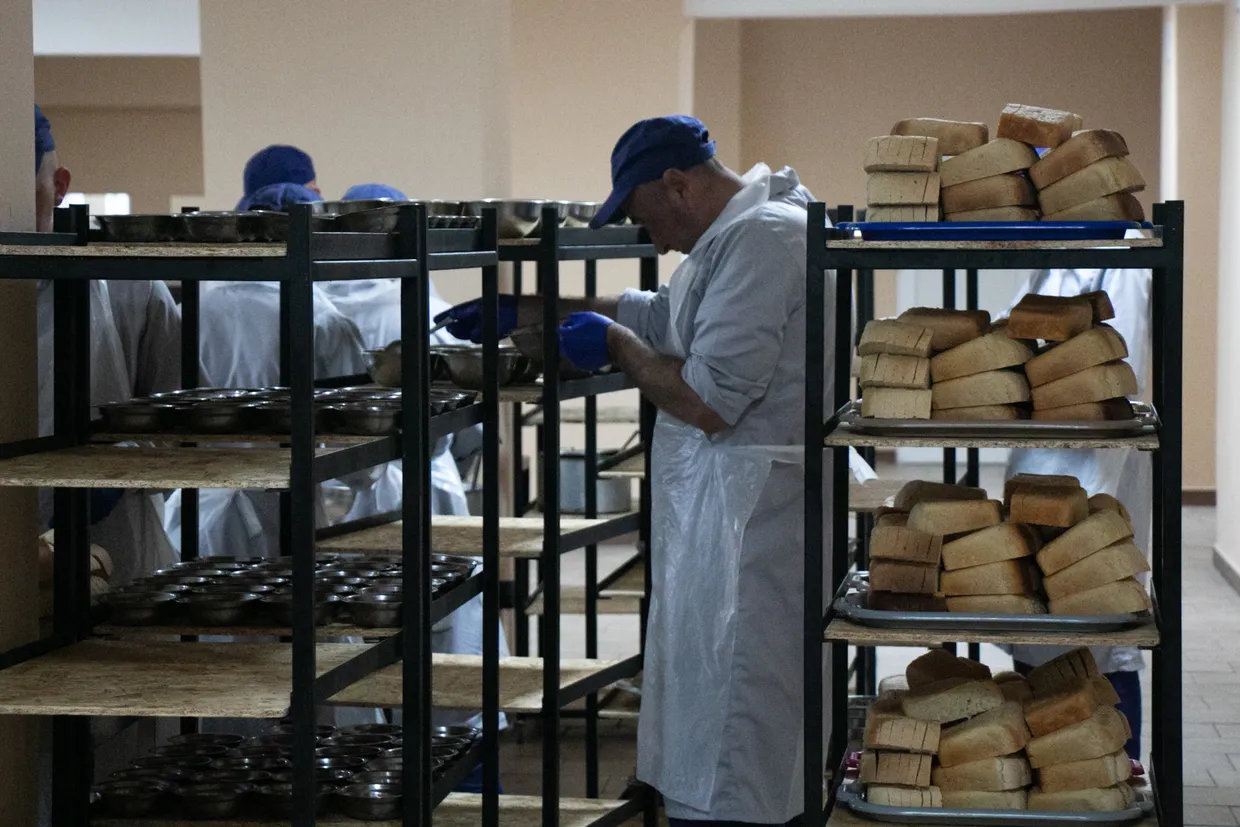
The only thing the POWs said about the conditions was that adjustments were made for Ramadan, a holy month for Muslims. Muhammad, a Muslim, said the detention center’s administration had arranged meals for him that fit his diet.
He also said that as he has three meals a day, he considers his conditions in Ukrainian captivity to be “good.”
Swapping foreign POWs
Yatsenko said that all foreign soldiers would eventually end up in a POW camp. The next stage after arriving there is the exchange, but it is unclear how it works for non-Russian nationals.
Uncertainty looms over foreign POWs as Russia isn’t requesting to swap them. Moscow “doesn’t need them,” claimed Yatsenko.
Russia’s decade-long war in Ukraine saw a precedent when Moscow exchanged a foreign fighter who had fought on its behalf. Rafael Lusvaghi, a Brazilian who served alongside Russian proxies in Donbas, was convicted of terrorism in Ukraine before being swapped to Moscow in a prisoner exchange in 2019.
“If there is interest from (foreign) governments (to repatriate a POW), we can look for ways to exchange,” said Yatsenko, adding that Ukraine also doesn’t need these captives.
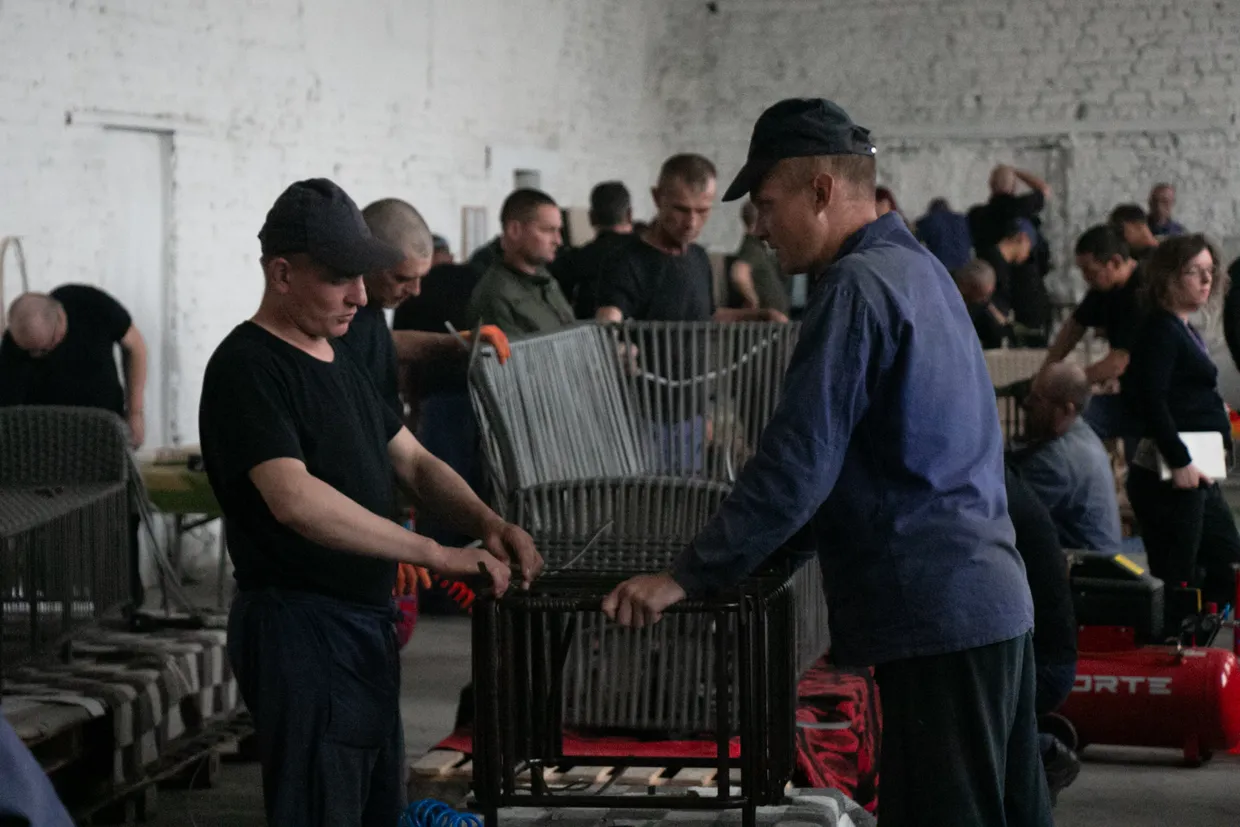
He said captured foreigners could be tried in Ukraine for mercenarism, however, there were no such trials yet, and they are currently being held as POWs in accordance with the 3rd Geneva Convention on prisoners of war.
Nonetheless, Mamedov, a former deputy prosecutor general from 2019-2021 who supervised around 250 investigations into foreigners fighting on the Russian side in the war in Donbas, warned that POWs cannot be held accountable for anything other than war crimes as per the convention.
The Ukrainian courts could try and charge foreigners mercenarism, but it is very difficult to prove their guilt in accordance with the United Nations Mercenary Convention.
“It is essential to understand that prosecuting for violations of the convention is very difficult because it has many cumulative criteria by which a mercenary is determined,” Mamedov told the Kyiv Independent.
Yet, if mercenarism is proven, mercenaries could lose their status as combatants or POWs.
Some of the foreign prisoners of war expressed reluctance to be exchanged to either Russia or their home countries, where they could face charges related to mercenarism, an activity prohibited in many countries.
“If I return to Cuba, they will put me in prison… I do not know what will happen with my life from now on, but I can tell you that what I would like to do is go to another country,” said Jarosey.
Muhammad also foresees problems for himself and wants to be exchanged “anywhere to a NATO country.”
“I don’t want to make (Ukrainians) have to take care of me. They have to take care of their lands and defeat Russia,” Muhammad said, adding that the best thing that happened to him while being a Russian soldier was that Ukrainian forces captured him.
