


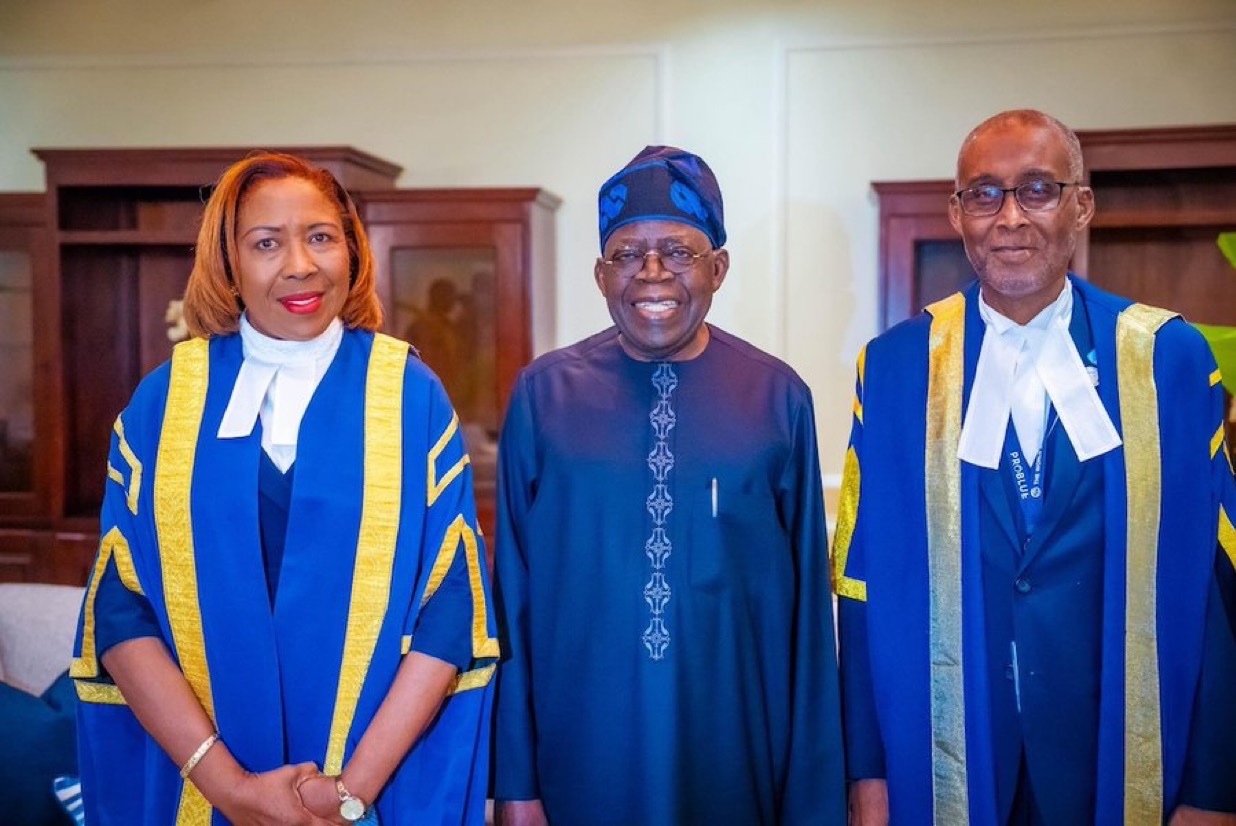
Saint Lucia Celebrates Deep Nigerian Roots, Says Senate President Alvina Reynolds.
During a historic address to the Saint Lucian bicameral parliament on 30 June 2025, Senate President Alvina Reynolds highlighted the profound ancestral ties between Saint Lucia and Nigeria, revealing that most African slaves brought to the Caribbean island were of Nigerian origin. Citing a British census from 1815, she noted that of the 16,282 enslaved people in Saint Lucia at the time, 3,488 were born in Africa, with 34% hailing from Nigeria, 11% from the Nigeria-Cameroon region, and 22% from the Congo. The remaining 12,794, born on the island, were largely descendants of Nigerians and those from Senegambia.

Reynolds shared these insights while welcoming Nigerian President Bola Tinubu on his first official state visit to Saint Lucia, describing the occasion as a powerful moment of cultural reconnection. She emphasised that the legacy of the transatlantic slave trade, spanning over 350 years, has forged an unbreakable bond between Africa and the Caribbean. “We are the descendants of these people. We are ex-slaves, but we are also resilient, proud, and deeply connected to our African homeland,” she declared.
The Senate President also paid tribute to the enduring contributions of Nigerians to Saint Lucia’s society, including the presence of Nigerian Catholic priests, such as Father Festus, who continue to serve the island’s communities. She highlighted the historical significance of Sir Darnley Alexander, a Saint Lucian who served as Nigeria’s Chief Justice from 1975 to 1979, the only non-Nigerian to hold the post in the country’s post-independence history.
Prime Minister Philip J. Pierre echoed Reynolds’ sentiments, describing Saint Lucia as “a small fragment of Africa” where the “genetic Nigerian connection cannot be erased.” He celebrated the cultural influence of Nigerian Afrobeats, Nollywood films, and authors like Chimamanda Ngozi Adichie, noting their popularity among Saint Lucian youth as a bridge to their African heritage. Pierre also proposed deeper partnerships in creative industries, sports, tourism, and healthcare, including an upcoming Agreement of Technical Manpower Assistance to bring Nigerian medical professionals to support the island’s ageing population.
The visit, coinciding with World Parliament Day, was marked as a day of “freedom and celebration,” with Pierre drawing parallels to Nelson Mandela’s visit 27 years prior. As Saint Lucia and Nigeria Religion, cuisine, and social development were also highlighted as areas enriched by Nigerian contributions. “We warmly welcome every Nigerian hand of support and embrace their contributions to Saint Lucia’s cultural, social, and economic development,” Pierre added, affirming the island’s pride in its African roots and its commitment to strengthening ties with Nigeria.
