


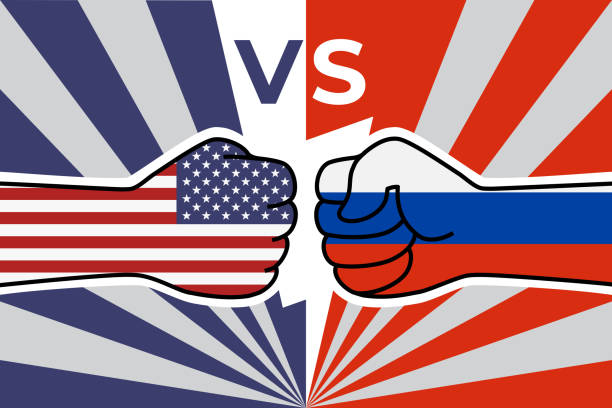
Russia Condemns Trump’s Sanctions Threats As Illegal, Defends Sovereign Trade Rights.
Russia has sharply rebuked US President Donald Trump’s threats to impose severe tariffs on nations trading with Moscow, labelling them “illegal” and asserting that countries have the sovereign right to choose their trade partners. The Kremlin’s statement, issued on Monday, follows Trump’s ultimatum that Russia must reach a ceasefire agreement with Ukraine within days or face punitive secondary tariffs targeting its trading partners, particularly those importing Russian oil and gas.
The Russian foreign ministry described Trump’s threats as “neocolonial bullying” and a violation of international trade norms, arguing that no nation can dictate the commercial relationships of sovereign states. “Countries can trade with whosoever they wish,” a ministry spokesperson declared, accusing the US of attempting to suppress Russia’s economic resilience. The statement aligns with sentiments expressed on social media, where users have framed the US threats as an overreach of authority, with some highlighting Russia’s growing ties with BRICS nations as a counter to Western pressure.

Trump’s threats, first issued in July, initially set a 50-day deadline for Russia to negotiate peace with Ukraine, later shortened to 10-12 days, with a pledge to impose 100% tariffs on nations like China, India, and Turkey, which are major buyers of Russian energy. These secondary sanctions aim to disrupt Russia’s fossil fuel exports, which account for roughly a third of its state revenue and over 60% of its export market, according to BBC analysis. However, Russia has developed sophisticated evasion tactics, including a “shadow fleet” of tankers with obscure ownership to mask oil shipments, a strategy that could help its trading partners circumvent US tariffs.
The Kremlin’s defiance comes as India, a key importer of Russian crude, also signalled its intent to continue purchases despite Trump’s warnings. Indian officials, cited in recent reports, expressed frustration with US attempts to influence their energy policy, noting that Russia supplies over a third of India’s oil needs at competitive prices. China, Russia’s largest oil buyer, is similarly unlikely to yield, given its strategic partnership with Moscow. Analysts suggest that enforcing such tariffs could spike global oil prices, a risk that may temper Trump’s resolve, especially after his administration’s inconsistent follow-through on similar threats against Venezuelan oil buyers.
In the US, a bipartisan Senate bill proposing 500% tariffs on countries trading with Russia has stalled, with Republican leaders deferring to Trump’s unilateral approach. Critics argue this reflects political posturing rather than a coherent strategy, noting that Russia’s economy has weathered Western sanctions since its 2022 invasion of Ukraine. Moscow’s stock exchange rose 2.7% following Trump’s latest threats, and the rouble strengthened, signalling market confidence in Russia’s ability to navigate the pressure.
The dispute underscores broader tensions in global trade and geopolitics, with Russia framing itself as a champion of a multipolar world order through alliances like BRICS. As the US deadline looms, the Kremlin’s unyielding stance and its partners’ resistance suggest that Trump’s tariff threats may struggle to achieve their intended impact, potentially reshaping economic and diplomatic alignments in the process.
