


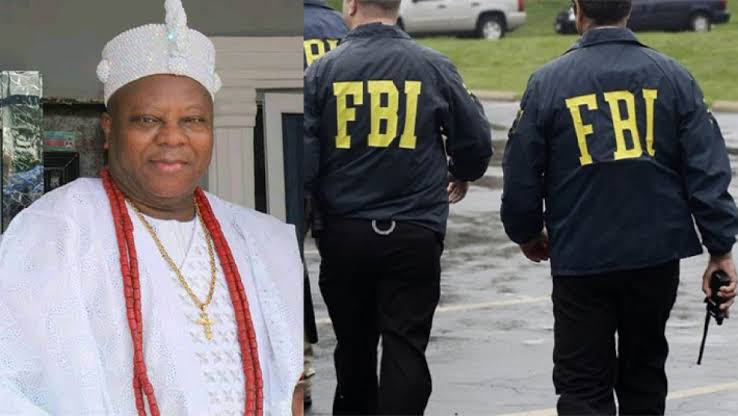
Nigerian Monarch Sentenced To Over Four Years In US For $4.2m COVID-19 Fraud.
Oba Joseph Oloyede, the Apetu of Ipetumodu in Osun State, Nigeria, has been sentenced to more than four years in a United States prison for his role in a $4.2 million COVID-19 relief fund fraud. The sentencing, delivered on 26 August 2025 by Judge Christopher Boyko at the US District Court for the Northern District of Ohio, follows Oloyede’s guilty plea to charges including conspiracy to commit wire fraud, money laundering, and submitting false tax returns.
The 62-year-old monarch, a dual Nigerian-American citizen and former accountant, was arrested by the FBI in May 2024 after returning to the US, unaware of a 13-count indictment against him. Alongside his associate, Edward Oluwasanmi, a Nigerian pastor who received a 27-month sentence in July 2025, Oloyede orchestrated a scheme to defraud the US Small Business Administration (SBA) through falsified applications for Paycheck Protection Programme (PPP) and Economic Injury Disaster Loan (EIDL) funds. These programmes, part of the US Coronavirus Aid, Relief, and Economic Security Act, were designed to support businesses struggling during the pandemic.

Court documents reveal that between April 2020 and February 2022, Oloyede and Oluwasanmi submitted fraudulent applications using fake tax and wage documents, securing $1.6 million for Oloyede’s businesses, $1.2 million for Oluwasanmi’s entities, and an additional $1.4 million by assisting co-conspirators. Oloyede’s companies, including Available Tax Services Incorporated and Available Transportation Company, were used to channel the illicit funds, some of which were laundered for personal expenses, including a property purchase in Medina County, Ohio.
The monarch’s legal troubles have caused significant unrest in Ipetumodu, where his prolonged absence since March 2024 left the royal stool vacant. His failure to attend key cultural festivals, such as the Odun Egungun and Odun Edi, sparked concern among residents, who initially speculated about his whereabouts. Oloyede’s lawyers argued that the pressures of the COVID-19 pandemic drove him to commit the fraud, describing it as an uncharacteristic lapse for the former adjunct professor and banker. They cited his clean record prior to the scheme and his responsibilities as a father of six and foster parent in a plea for leniency.
As part of a plea agreement, Oloyede forfeited a Medina County property and $95,000 held in a bank account. He also surrendered his US and Nigerian passports and waived his right to appeal the forfeiture. The case, investigated by the FBI, Internal Revenue Service, and the US Department of Transportation’s Office of Inspector General, underscores ongoing efforts to combat pandemic-related fraud. Oluwasanmi, sentenced earlier, was also ordered to forfeit assets, including a commercial property in South Euclid, Ohio.
The sentencing has raised questions about the future of Ipetumodu’s traditional leadership, with local leaders now facing calls to address the leadership vacuum. Legal experts suggest Oloyede could face deportation to Nigeria upon completing his sentence, given his US citizenship and the severity of the charges. The case has drawn attention in Nigeria, where it has been described as a troubling reflection of moral challenges among some elites.
This landmark conviction serves as a reminder of the global reach of financial accountability, even for those in positions of cultural significance.
