


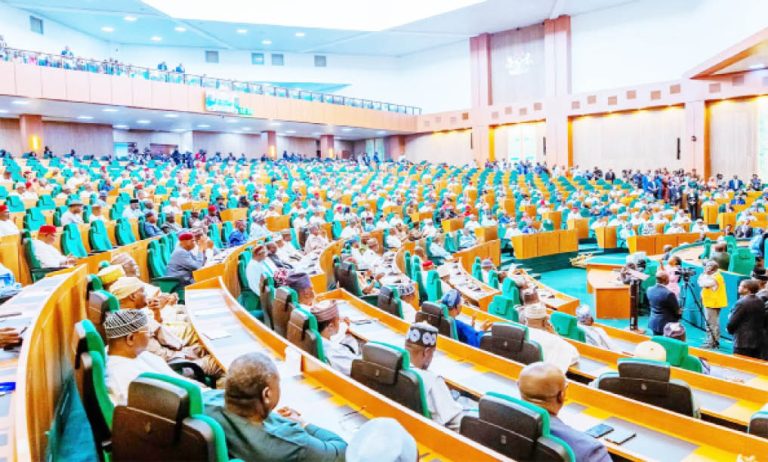
Nigerian House Of Representatives Proposes Major Electoral Reform To Remove President’s Power To Appoint INEC Chairman.
The House of Representatives in Nigeria is currently reviewing a groundbreaking bill that seeks to strip the President of the authority to appoint the Chairman of the Independent National Electoral Commission (INEC). The proposed legislation, which has sparked widespread debate, aims to enhance the independence and credibility of Nigeria’s electoral process by transferring the appointment responsibility to the National Judicial Council (NJC).
The bill, under consideration by the House Committee on Constitution Review, responds to long-standing concerns about the impartiality of INEC’s leadership. According to details from the proposal, the NJC—a body responsible for judicial appointments and discipline—would take on the task of selecting the INEC Chairman, aiming to insulate the electoral commission from executive influence. This move echoes recommendations from the 2007 Electoral Reform Committee, chaired by the late Chief Justice Muhammadu Uwais, which called for constitutional changes to shield INEC from political interference.

Supporters of the bill argue that involving the NJC would promote transparency and fairness in Nigeria’s elections. Auwal Rafsanjani, Executive Director of the Civil Society Legislative Advocacy Centre, stated that the reform could help restore public confidence in the judiciary, which has faced criticism for perceived bias. He noted that the NJC’s involvement would ensure non-partisan appointments, as the current system allows presidents to appoint individuals potentially aligned with their political interests.
However, the proposal has met with mixed reactions. Constitutional lawyer Abdul Mahmud expressed concerns about the NJC’s neutrality, warning that the body could become politicised if tasked with INEC appointments. Public affairs analyst Jackson Ojo also voiced scepticism, suggesting that while removing the President’s sole appointment power is a positive step, the NJC’s credibility could be compromised without safeguards to prevent manipulation. Some experts have proposed a multi-stakeholder committee to oversee the process, followed by National Assembly screening, to ensure a more balanced and independent selection.
The bill’s consideration comes amid growing public demand for electoral reforms, particularly following controversies surrounding the 2023 general elections. Observers noted issues with the Bimodal Voter Accreditation System (BVAS) and the INEC Results Viewing Portal (IReV), which fuelled allegations of electoral irregularities. The proposed amendment is seen as a critical step towards addressing these concerns and strengthening Nigeria’s democratic framework.
As the House of Representatives deliberates, the bill’s passage would require a two-thirds majority in both chambers of the National Assembly and presidential assent. If successful, it could mark one of the most significant electoral reforms since Nigeria’s return to democracy in 1999. The debate continues, with stakeholders urging lawmakers to prioritise public interest over partisan agendas to ensure free and fair elections in the future.
