


Nigerian House Of Representatives Orders Tertiary Institutions To Refund Tuition Fees Amid NELFUND Disbursement Concerns.
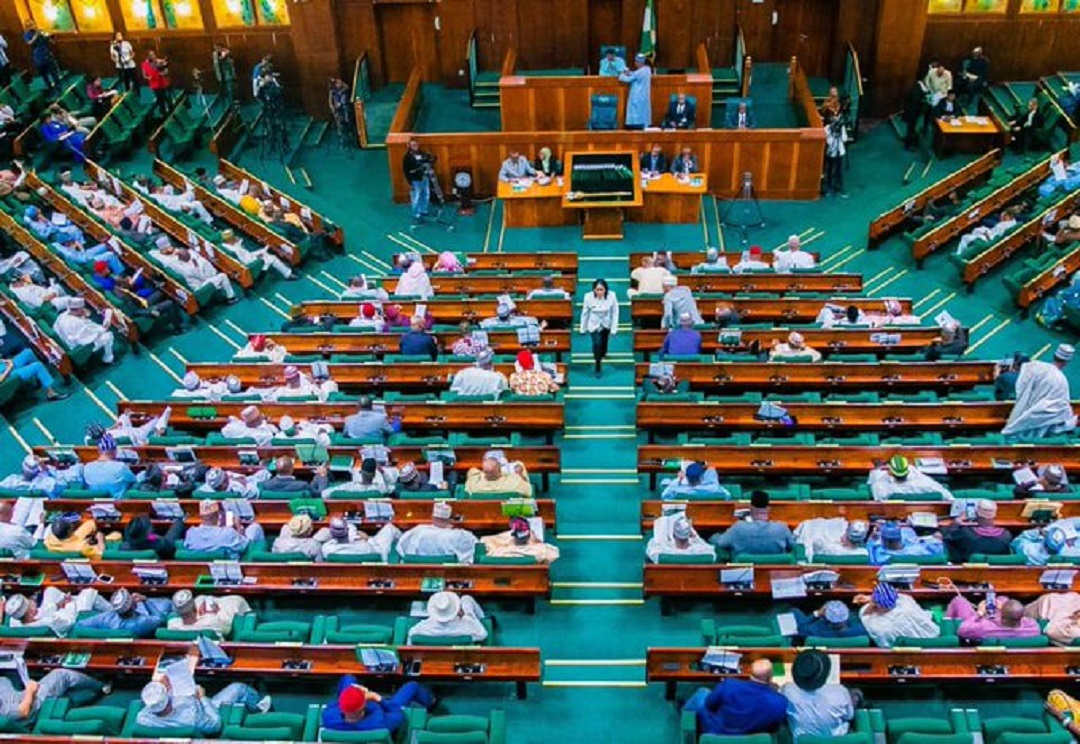
The House of Representatives has mandated all tertiary institutions across the country to refund tuition fees paid by students prior to receiving disbursements from the Nigerian Education Loan Fund (NELFUND). The directive, issued during a plenary session on Tuesday, 27 May 2025, aims to ensure compliance with the Student Loans (Access to Higher Education) Act 2024 and address allegations of mismanagement in the loan disbursement process.
The motion, sponsored by Aliyu Mustapha Abdullahi, the representative for Ikara Kubau Federal Constituency in Kaduna State, was adopted as a matter of urgent public importance. Abdullahi raised concerns over reported unethical practices, including inadequate verification processes and instances where institutions uploaded inflated tuition fees to the NELFUND portal. He also highlighted cases where final-year students received loans after graduation and institutions demanded fees from students despite receiving NELFUND funds. “These violations risk denying thousands of students their rightful access to loans and undermine the credibility of the loan scheme,” Abdullahi stated, while commending the Federal Government’s progress in disbursing over N54 billion to more than 500,000 applicants nationwide.

The NELFUND, established under the Student Loans Act 2023 and re-enacted in 2024, is designed to provide interest-free loans to Nigerian students for tuition, fees, and upkeep at approved tertiary and vocational institutions. The scheme, a flagship initiative of President Bola Tinubu’s administration, has disbursed over N104 billion to 320,837 students for institutional fees and 292,897 for upkeep as of November 2024, according to NELFUND data. The fund’s managing director, Akintunde Sawyerr, has emphasised its commitment to breaking financial barriers to education, with payments made directly to institutions and student accounts to ensure transparency.
However, the House expressed alarm over reports that some institutions failed to inform students of loan disbursements or reflect these payments in their records, leading to double payments by students. The Independent Corrupt Practices and Other Related Offences Commission (ICPC) has launched a probe into allegations of fraud involving 51 institutions, with only N28.8 billion of the N100 billion allocated for the programme disbursed directly to students. NELFUND has denied claims of mismanagement, clarifying that discrepancies relate to pre-existing financing programmes and that its current system ensures direct, digitally tracked payments.
The House’s directive requires institutions to refund fees immediately and has called for NELFUND to implement advanced IT solutions to improve verification processes. It also urged the agency to report non-compliant institutions to relevant authorities for sanctions. The lawmakers stressed the need for robust oversight to restore public confidence in the loan scheme, which is funded by 1% of taxes collected by the Federal Inland Revenue Service, alongside contributions from the Economic and Financial Crimes Commission, TETFund, and other sources.
Students and stakeholders have welcomed the move, with the National Association of Nigerian Students (NANS) noting increased interest in the scheme following initial scepticism, particularly in the South-East and South-West regions. A sensitisation campaign is underway to boost awareness and ensure equitable access across all geopolitical zones.
This development reinforces the government’s commitment to making higher education accessible to all Nigerians, aligning with President Tinubu’s Renewed Hope Agenda. As NELFUND continues to expand, with 445,015 successful loan applications out of 525,936 registrations as of March 2025, the refund mandate is expected to protect students from financial exploitation and strengthen the integrity of the student loan programme.
