


Nigerian Government Rejects US Travel Advisory, Calls It Unjustified.
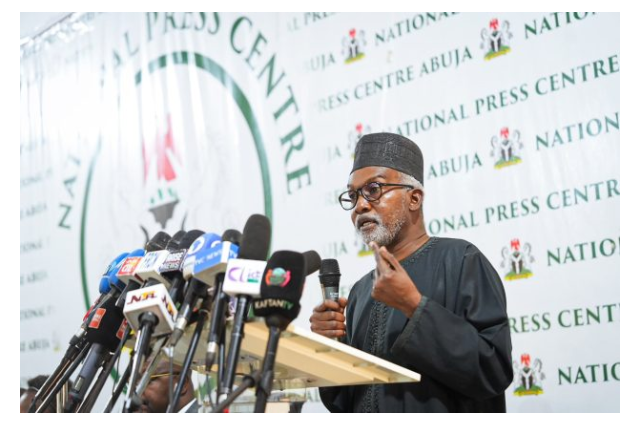
The Federal Government of Nigeria has strongly criticised a recent travel advisory issued by the United States, which urged its citizens to reconsider travel to Nigeria due to rising insecurity, labelling the warning as unjustified and misleading. The statement, delivered by Foreign Affairs Minister Yusuf Tuggar on Tuesday, 29 July 2025, during the annual retreat of the Nigeria Reputation Management Group in Abuja, underscores Nigeria’s frustration with what it perceives as an unfair portrayal of its security situation.
The US advisory, published on 23 July 2025 by the US Mission in Nigeria, classified Nigeria under Level 3: “Reconsider Travel,” citing concerns over violent crime, terrorism, kidnapping, armed gangs, and inadequate healthcare services. It highlighted 18 states, including Borno, Kaduna, and Delta, as high-risk areas under Level 4: “Do Not Travel,” due to threats of terrorism and kidnapping. The advisory also noted Nigeria’s under-equipped medical infrastructure, warning that facilities often fall below US and European standards, with shortages of essential medications and unreliable emergency services.

Speaking through his Special Assistant on Media and Communication Strategy, Alkazeem Abdulkadir, Tuggar argued that the advisory exaggerates Nigeria’s challenges and fails to acknowledge similar security issues in other nations, including the US. “No nation, including the United States, can boast of absolute security,” Tuggar said, pointing to statistics estimating 45,000 deaths from gun violence in the US in 2025. “We have not articulated or replied to their travel advisory, which empowers them to continue writing these things against us.”
Tuggar emphasised the need for Nigeria to control its global narrative, accusing the US advisory of causing economic harm by deterring investment and increasing costs for businesses, such as higher travel insurance premiums for dual nationals. He referenced Nigeria’s own travel advisory issued against the UK in August 2024, in response to anti-immigration riots, as an example of reciprocal action. “When we see race riots, it’s of grave concern to us, as the largest black African nation,” he added, highlighting Nigeria’s responsibility to protect its citizens abroad.
The Nigerian Institute of Public Relations (NIPR), co-host of the retreat, echoed Tuggar’s sentiments. NIPR President Dr. Ike Neliaku stressed that Nigeria must amplify its positive stories, such as achievements in sports and academics, rather than allowing foreign narratives to dominate. “We undertell our own stories and sometimes overtell other people’s stories,” Neliaku said, urging a proactive approach to reshape Nigeria’s global image.
The US advisory has sparked broader debate about Nigeria’s security challenges, which include widespread kidnappings, particularly in the northwest and southeast, and ongoing insurgencies by groups like Boko Haram and Islamic State West Africa in the northeast. A six-month state of emergency declared in Rivers State on 18 March 2025, further underscores the volatile situation in parts of the country. However, the Federal Government insists that progress in security operations and community engagement is being overlooked.
Tuggar called for a shift from “self-flagellation” to “media diplomacy” under President Bola Tinubu’s leadership, aiming to foster national unity and attract investment. As Nigeria navigates its global reputation, the government’s response signals a determination to challenge external critiques while addressing domestic challenges to restore public trust and international confidence.
