


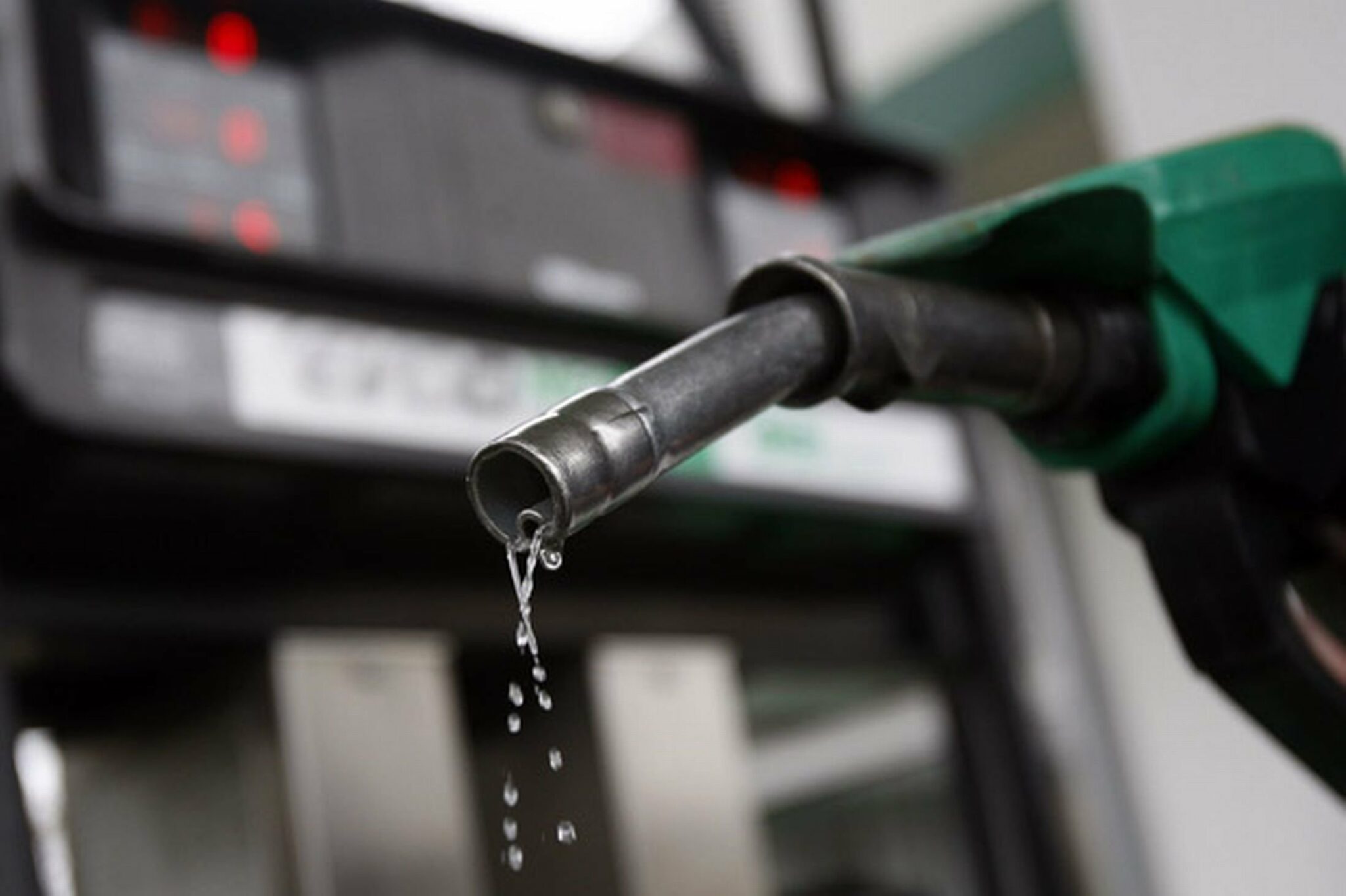
Nigeria Braces For Fuel Scarcity And Price Hikes Amid Middle East Tensions And Tanker Drivers’ Dispute.
Nigeria is on the brink of a potential fuel crisis, with pump prices for petrol possibly soaring to around N1,000 per litre, driven by escalating geopolitical tensions in the Middle East and a looming domestic tanker drivers’ strike, according to reports from The Guardian Nigeria.
The ongoing conflict between Israel and Iran has triggered a sharp rise in global crude oil prices, with Brent crude reaching $74 per barrel following a 13% surge on Friday, the highest since January 2025. This spike, prompted by Israel’s military strikes on over 100 Iranian targets, including nuclear facilities and missile sites, and Iran’s retaliatory missile attacks, has raised fears of disruptions to global oil supplies. Approximately 20% of the world’s oil and liquefied natural gas pass through the Strait of Hormuz, a critical chokepoint vulnerable to further escalation. In Nigeria, this has led ten major oil marketers, including Dangote Refinery, to increase petrol depot prices, exacerbating the risk of scarcity and higher costs at the pump.

Compounding the issue is a brewing dispute involving the Petroleum Tanker Drivers (PTD) branch of the Nigeria Union of Petroleum and Natural Gas Workers (NUPENG). The drivers are reportedly planning industrial action over unresolved grievances, including poor working conditions and disputes over union leadership. This could severely disrupt fuel distribution across Nigeria, a country already grappling with economic challenges. The Guardian Nigeria warns that the combination of these factors could push retail petrol prices to unprecedented levels, further straining households and businesses.
Posts on X reflect growing public concern, with users highlighting the potential for increased government revenue and foreign exchange reserves due to higher oil prices, but at the cost of consumer hardship. However, these posts remain inconclusive without official confirmation.
The Nigerian National Petroleum Corporation (NNPC) and other stakeholders are reportedly engaging with NUPENG to avert the strike, while the government monitors the Middle East situation closely. Analysts suggest that resolving the tanker drivers’ dispute and leveraging domestic refining capacity, such as that of Dangote Refinery, could mitigate the crisis. However, with global oil markets volatile and domestic logistics under threat, Nigeria faces a challenging period ahead.
This looming crisis underscores the need for long-term solutions, including diversifying energy sources and improving domestic fuel distribution networks, to shield Nigerians from the dual pressures of global instability and local disputes.
