


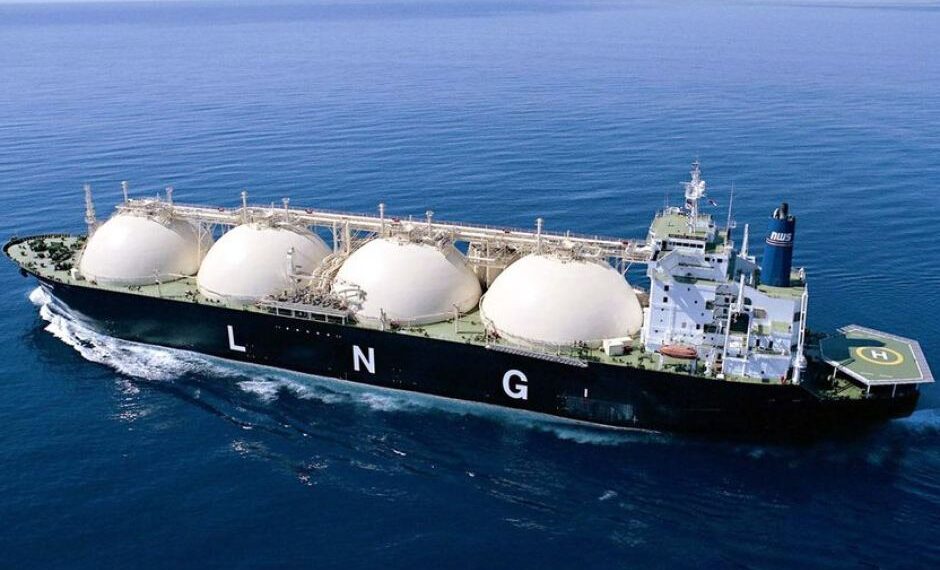
India Stands Firm On Russian Gas Imports Despite US Tariff Threats.
India has reaffirmed its commitment to purchasing Russian gas, shrugging off warnings from US President Donald Trump, who threatened economic repercussions for New Delhi’s energy ties with Moscow. The statement, made by Trump on 2 August 2025 via Truth Social, described India’s imports as “playing with fire” and vowed to impose penalties, including a 25% tariff on Indian goods starting 7 August, alongside an unspecified additional sanction for its trade with Russia.

Indian officials swiftly rebuffed the pressure, with government sources emphasising that energy purchases are driven by national interests and market dynamics. “Long-term contracts and economic factors guide our decisions,” a senior official told Reuters, noting that India’s imports of Russian oil, which account for about 35% of its 5.2 million barrels per day consumption, have stabilised global oil prices. The official highlighted that Russian crude, bought at a G7-EU price cap of $60 per barrel, has prevented price surges that could have exceeded $137 per barrel, benefiting the global economy.
The defiance reflects India’s frustration with what it perceives as inconsistent US policy. Shashank Saran, a former Indian official, pointed out that India complied with US demands to halt Iranian oil imports during Trump’s first term, despite economic losses. With Russia supplying 1.75 million barrels daily in 2025, down from a peak of 2.15 million in May 2023, India argues its purchases align with international norms and support energy security for its 1.4 billion citizens. Petroleum Minister Hardeep Singh Puri reiterated that India imports from nearly 40 countries, ensuring a diversified supply.
Trump’s tariffs, which also target India’s purchase of Russian military equipment, have strained US-India relations, despite Prime Minister Narendra Modi’s efforts to secure a bilateral trade deal. Indian refineries, including state-controlled firms handling over 60% of capacity, continue to prioritise cost-effective Russian supplies, with private players like Reliance Industries and Nayara Energy leading imports. Analysts suggest India may explore Russia’s “shadow fleet” of tankers to mitigate tariff impacts, a strategy used previously to navigate sanctions.
As trade talks with the US falter after five rounds, India remains steadfast, viewing its energy strategy as a matter of sovereignty. The Ministry of External Affairs underscored that no orders have been issued to halt Russian imports, signalling New Delhi’s resolve to prioritise economic stability over external pressures. This stance positions India as a key player in balancing global energy markets while navigating complex geopolitical tensions.
