


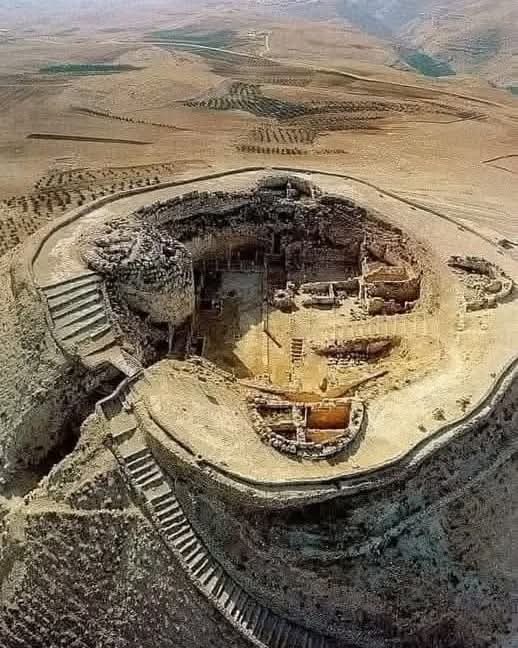
Herodium: King Herod’s Magnificent Palace Unearthed In Judean Desert.
In the heart of the Judean Desert, near the historic city of Bethlehem in Israel, lies Herodium, an archaeological marvel that stands as a testament to the grandeur and ambition of King Herod the Great. Known as one of antiquity’s most visionary builders, Herod’s legacy is vividly preserved in this extraordinary site, which continues to enthral historians, archaeologists, and visitors from across the globe. Constructed between 23 and 15 BCE, Herodium is far more than a mere relic; it is a window into an era of opulence, innovation, and architectural brilliance that defined a pivotal chapter in the region’s history.
Herodium, perched dramatically atop an artificial hill—a feat of engineering in itself—was designed to serve multiple purposes: a fortified stronghold, a lavish palace, and, ultimately, the final resting place of King Herod himself. The sprawling complex is a showcase of Herod’s audacious vision, blending practicality with extravagance. Its meticulously planned layout includes luxurious living quarters adorned with intricate mosaics, well-preserved bathhouses that hint at the sophistication of Roman-influenced design, and a striking circular structure widely regarded by experts as Herod’s tomb. This unique monument, with its commanding views over the desert landscape, reflects the king’s desire to leave an enduring mark on the world.

The site’s historical and archaeological significance cannot be overstated. Herodium offers a rare glimpse into the life and reign of Herod, a ruler whose ambitious projects reshaped the ancient world. From the imposing walls of the fortress to the delicate artistry of its interiors, every element of Herodium speaks to the ingenuity and resources at Herod’s command. Excavations over the years have uncovered treasures such as frescoes, aqueducts, and evidence of advanced water systems, further underscoring the technological prowess of the era. These discoveries continue to fuel scholarly debate and fascination, as researchers piece together the story of a king whose legacy is as complex as it is captivating.
Today, Herodium draws thousands of visitors annually, from academics studying its historical context to tourists eager to walk in the footsteps of antiquity. The site’s enduring allure lies not only in its physical remains but also in its ability to transport visitors back to a time of grandeur and ambition. As a UNESCO World Heritage Site contender, Herodium stands as a beacon of cultural heritage, inviting exploration and reflection on the ingenuity of ancient architecture. It remains a powerful symbol of Herod’s reign—a king whose vision, etched into the desert landscape, continues to inspire awe and admiration centuries later.
