


Federal Government Launches Nationwide Monitoring To Boost Secondary School Education Quality In Nigeria.
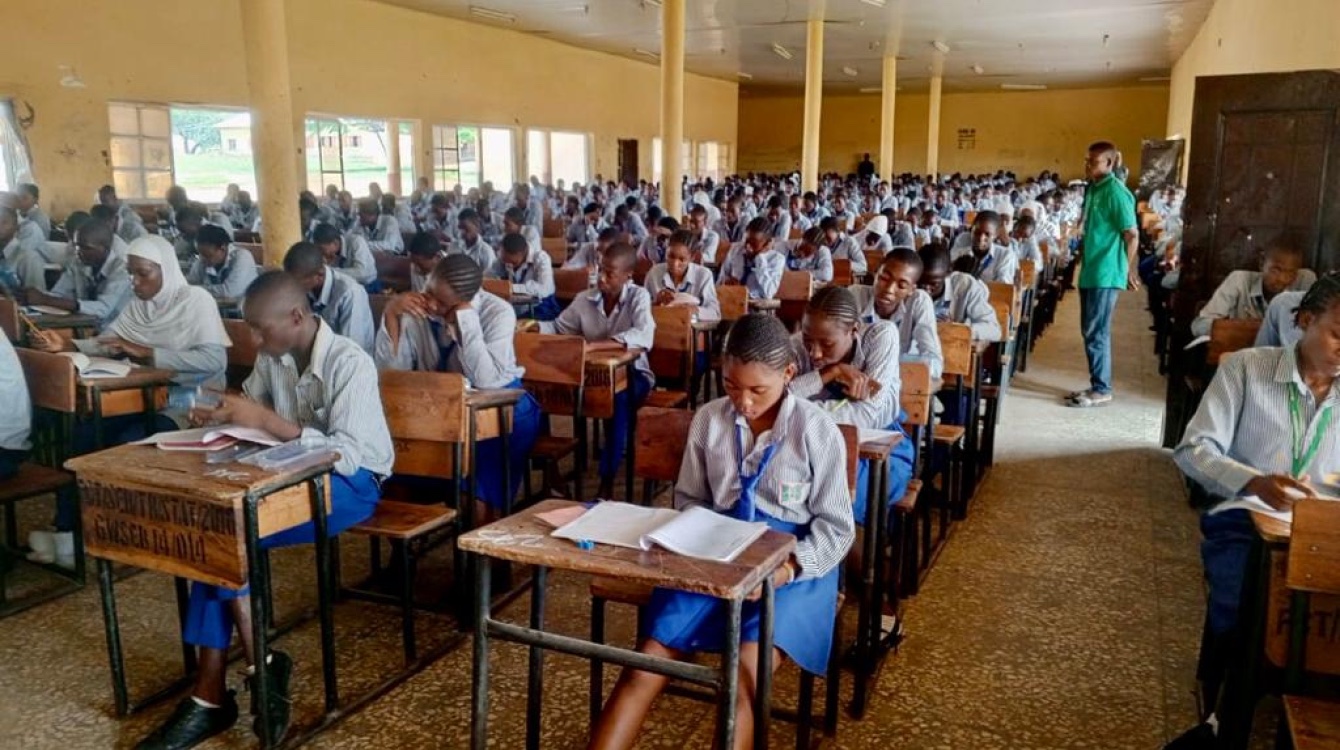
As part of process towards enhancing the quality of education across Nigeria, the Federal Government has officially launched a nationwide monitoring initiative for secondary schools. The programme, inaugurated on Monday at the Federal Government College (FGC) in Malali, Kaduna, aims to assess and elevate educational standards in senior secondary institutions, ensuring students receive a high-quality learning experience.
The National Senior Secondary Education Commission (NSSEC) is spearheading this ambitious 2025 Quality Assurance Monitoring and Evaluation exercise. Dr Iyela Ajayi, the Executive Secretary of the NSSEC, announced that the initiative will serve as a cornerstone for improving educational outcomes nationwide. “This exercise is designed to evaluate the state of senior secondary education and identify areas for improvement,” Dr Ajayi stated during the launch. “Our goal is to ensure that every secondary school in Nigeria meets the National Minimum Standards for Senior Secondary Education, which we have developed as a benchmark for quality and performance.”

The choice of Kaduna State as the starting point for this initiative was met with enthusiasm by local officials. Representing the Kaduna State Government, Professor Muhammad Bello, Director of the Kaduna State Schools Quality Assurance Authority (KSSQAA), expressed pride in the state being selected for the programme’s launch. “This is a privilege and a testament to Kaduna’s commitment to advancing quality education and expanding access for all,” he remarked. Bello highlighted the state’s significant investment in education, noting that over 26% of the 2024 budget was allocated to the sector, with an even higher allocation planned for 2025.
The monitoring exercise will involve thorough inspections of school facilities, teaching standards, and adherence to the national curriculum. The NSSEC team began its work by touring facilities at FGC Malali and other selected schools in Kaduna, assessing infrastructure and educational practices. This initiative addresses a critical gap in the education system, as Dr Ajayi pointed out that while substantial funds have been invested in education, the absence of consistent monitoring and evaluation has hindered progress.
The NSSEC’s efforts are expected to extend beyond Kaduna, covering secondary schools across Nigeria’s 36 states. By establishing a robust framework for quality assurance, the Federal Government aims to foster an environment where students can thrive academically and compete globally. This initiative also aligns with broader educational reforms, including recent efforts to enhance vocational education and digital literacy among teachers.
As the monitoring programme rolls out, stakeholders in the education sector are hopeful that it will lead to tangible improvements, from better-equipped classrooms to more effective teaching methods. With the government’s commitment to prioritising education, Nigeria’s secondary schools are poised for a brighter future.
