


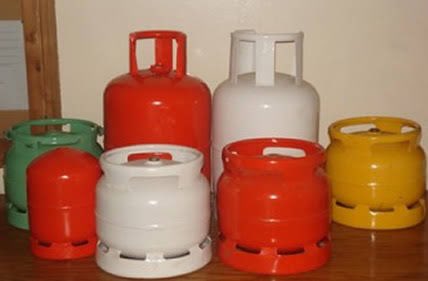
Cooking Gas Prices Rise To ₦8,167.43 For 5kg Cylinder in Nigeria, NBS Reports.
The National Bureau of Statistics (NBS) has reported a 3.57% increase in the average retail price for refilling a 5kg cylinder of liquefied petroleum gas (LPG), commonly known as cooking gas, in Nigeria. According to the NBS’s “Cooking Gas Price Watch” for May 2025, released on Thursday, 3 July 2025, the price rose from ₦7,885.60 in April to ₦8,167.43 in May, reflecting ongoing economic pressures impacting households across the country.
The report highlights significant regional variations in pricing. Abia recorded the highest average price for a 5kg cylinder at ₦9,181.20, followed closely by Ebonyi at ₦9,177.32 and Rivers at ₦9,174.40. In contrast, Oyo reported the lowest price at ₦7,116.49, with Niger and Plateau following at ₦7,142.07 and ₦7,177.10, respectively. Across Nigeria’s six geopolitical zones, the South-South zone saw the highest average retail price at ₦8,760.51, while the North-West recorded the lowest at ₦7,377.10, indicating disparities in supply chains and local market dynamics.

On a year-on-year basis, the price of a 5kg cylinder has surged by 10.10%, up from ₦7,418.45 in May 2024. The NBS attributes this rise to factors such as fluctuating exchange rates, increased import costs, and inadequate local production, with over 60% of Nigeria’s LPG supply still reliant on imports. This persistent price hike has raised concerns among consumers, many of whom are already grappling with high inflation and rising costs of essentials like food and transport.
The increase in cooking gas prices has sparked worries about its impact on Nigeria’s clean cooking initiatives. With prices climbing, some households may resort to traditional fuels like firewood and charcoal, which could undermine efforts to reduce deforestation and promote sustainable energy. The Nigerian Association of Liquefied Petroleum Gas Marketers has urged the government to boost local production, citing the potential of domestic refineries like Dangote to stabilise prices by reducing reliance on imports.
Despite the price surge, there is optimism that ongoing investments in Nigeria’s gas infrastructure could ease costs in the future. Industry experts have called for incentives to encourage companies to convert more propane to butane for domestic use, alongside expanded storage and distribution networks. For now, Nigerian households face the challenge of adjusting budgets to accommodate the rising cost of this essential commodity, with many hoping for swift government intervention to address the issue.
