


US Strikes Iran’s Nuclear Sites, Escalating Middle East Tensions.
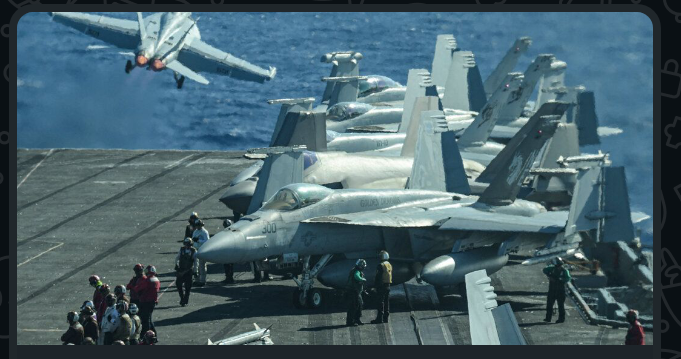
In a dramatic escalation of hostilities in the Middle East, American warplanes and submarines have launched precision strikes on three key Iranian nuclear facilities, marking the United States’ direct involvement in Israel’s ongoing conflict with Iran. The attacks, confirmed by US President Donald Trump, targeted sites at Fordo, Isfahan, and Natanz, with Trump declaring that the objective was the “complete and full obliteration” of Iran’s nuclear capabilities.
The strikes, which occurred in the early hours of Sunday, have heightened fears of a broader regional conflict. President Trump, addressing the nation, stated that the US aimed to dismantle Iran’s nuclear programme and warned Tehran of further military action “if peace does not come quickly.” He described the operation as a joint effort with Israel to “decapitate” Iran’s nuclear ambitions, raising concerns about the potential for retaliatory strikes from Iran or its regional allies.

Iran’s state-run IRNA news agency acknowledged the attacks, confirming that the Fordo facility—a heavily fortified underground site—alongside installations at Isfahan and Natanz, were targeted. Iranian officials claimed there were “no signs of contamination” following the strikes, suggesting efforts to downplay the immediate impact on their nuclear infrastructure. However, the extent of the damage remains unclear, with independent verification difficult due to restricted access to the sites.
The US intervention follows months of heightened tensions between Israel and Iran, exacerbated by Iran’s support for proxy groups such as Hezbollah and Hamas, and Israel’s targeted assassinations of Iranian military figures. Diplomatic efforts to avert escalation have faltered, with recent talks between Iran’s foreign minister and European diplomats from Britain, France, and Germany failing to yield a breakthrough.
Analysts warn that the strikes could provoke a severe response from Iran, potentially targeting US or Israeli assets in the region or disrupting global oil supplies through the Strait of Hormuz. The involvement of American forces significantly raises the stakes, with fears that the conflict could draw in other regional powers, including Saudi Arabia or Turkey. The United Nations has called for an emergency session to address the crisis, urging all parties to exercise restraint.
In Washington, President Trump defended the strikes as a necessary measure to prevent Iran from developing nuclear weapons, asserting that the targeted sites were “completely and fully obliterated.” However, critics have questioned the timing and proportionality of the attacks, noting that they risk undermining fragile diplomatic channels and inflaming anti-American sentiment across the Middle East.
In the UK, Foreign Secretary David Lammy expressed concern over the escalation, calling for “urgent de-escalation” and reaffirming Britain’s commitment to a diplomatic resolution. “The UK stands with its allies in supporting Israel’s right to self-defence, but we must avoid a wider conflict that would have devastating consequences for the region and beyond,” Lammy said in a statement.
As the world awaits Iran’s response, the strikes have underscored the precarious balance of power in the Middle East. With global markets bracing for potential disruptions and humanitarian agencies warning of the risks to civilian populations, the international community faces a critical juncture in preventing further escalation.
