


Katsina State Allocates ₦20m Per Local Government For Graveyard Renovations.
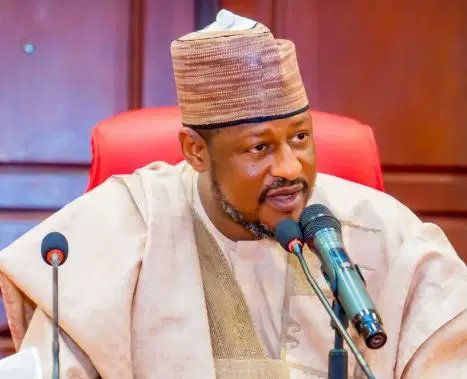
Katsina State Government has approved ₦20 million for each of its 34 local government areas (LGAs) to undertake extensive renovations of cemeteries and graveyards across the state, totalling ₦680 million. Governor Dikko Umaru Radda announced the initiative during a meeting with traditional rulers from the Katsina and Daura Emirates at Government House, Katsina, on Thursday, 28 August 2025. Describing the project as a vital public service and a spiritual gesture, the governor highlighted its significance in honouring the deceased and fostering divine blessings for the state.
The renovation projects aim to address long-standing infrastructural issues in burial sites, many of which suffer from overgrown vegetation, collapsed fences, eroded pathways, and poor drainage, particularly during rainy seasons. Dr Aisha Bello, the State Commissioner for Environment and Sanitation, outlined that the upgrades will include clearing weeds, repairing perimeter walls, constructing access roads, installing solar-powered lighting, and ensuring adequate water supply for maintenance. These improvements are expected to enhance hygiene, reduce the risk of vector-borne diseases, and restore dignity to these sacred spaces, aligning with the administration’s broader agenda for environmental sustainability and community well-being.

Local government chairmen have warmly welcomed the initiative. Alhaji Sani Umar, Chairman of Katsina Local Government Area, described it as a “timely intervention” that will foster unity and respect for cultural and religious traditions. He confirmed that work in his area, which includes several historic graveyards, will commence within days, prioritising sites in urgent need of repair. The funds, drawn from the state’s 2025 budget surplus and federal allocations, follow similar efforts such as the recent ₦500 million investment in rural road repairs and environmental clean-up campaigns.
The announcement coincides with a new welfare package for traditional and religious leaders, backed by a law passed by the Katsina State House of Assembly. Governor Radda revealed that all District Heads will now earn salaries equivalent to at least Grade Level 16, while 6,652 ward heads and over 3,000 Imams and their deputies at Friday Mosques will receive monthly stipends. Additionally, sweepers at Izala and Darika Mosques across the 34 LGAs will benefit from allowances, reinforcing the administration’s commitment to supporting community leadership.
Senator Ibrahim Ida, the Wazirin Katsina, representing the Emir of Katsina, Alhaji Abdulmumini Kabir-Usman, praised Governor Radda for his efforts to restore dignity to traditional institutions and strengthen their role in governance. He assured continued support from the Emirate Council through prayers and collaboration to promote peace and prosperity in Katsina. The Emir of Daura, represented by Alhaji Daha Umar-Farouq, also expressed solidarity, particularly following the governor’s recent car accident, and commended the initiative for its cultural and spiritual significance.
However, the ₦680 million allocation has sparked some debate, with critics arguing that funds could be better directed towards pressing issues like insecurity, poverty, and healthcare in a state plagued by banditry and economic challenges. Defending the initiative, state officials underscored the religious and cultural importance of maintaining graveyards, noting that neglected burial sites risk desecration and public health hazards. The government has assured transparency, with local committees tasked to oversee the projects and ensure accountable use of funds.
This latest move builds on other recent efforts, including the ₦160 million upgrade of the 700-year-old Danmarna Cemetery in Katsina metropolis, partly funded by proceeds from the 2024 Hajj animal sacrifice. As Katsina State continues to tackle infrastructural and social challenges, Governor Radda’s administration hopes these renovations will not only improve community spaces but also strengthen cultural values and public trust in governance.
