


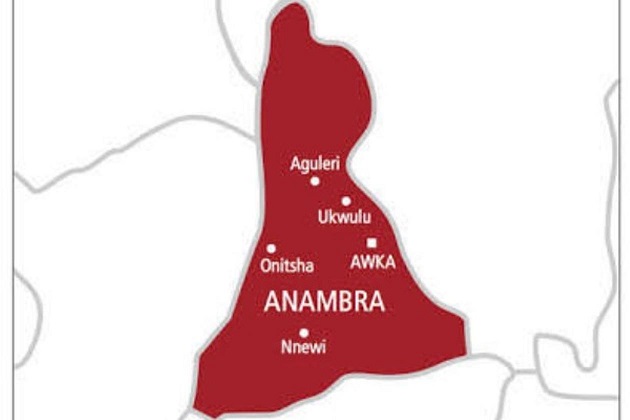
Anambra Governor Signs Historic Igba Boi Apprenticeship Bill Into Law.
On 27 August 2025, Anambra State Governor took a transformative step in safeguarding a vital Igbo tradition by signing the Igba Boi Apprenticeship Bill into law. Effective from 10 September 2025, this groundbreaking legislation formalises the Igba Boi system, a renowned mentorship model that has driven entrepreneurial success and wealth creation in Nigeria’s South-East for generations.
The new law provides a robust legal framework for the Igba Boi system, ensuring its relevance in a modern economy. It caps apprenticeship duration at seven years, mandates basic education for apprentices, and establishes the Anambra State Igbo Apprenticeship Commission. This body will register participants, oversee training standards, and resolve disputes, promoting fairness and transparency in the system.

Sponsored by Honourable Ejike Okechukwu, the bill introduces written agreements to clarify the rights and responsibilities of both apprentices and mentors, addressing issues like exploitation that have challenged the system in recent years. By requiring basic literacy, the law aims to equip apprentices with the skills needed to thrive as entrepreneurs.
The Igba Boi system, a cultural cornerstone, has produced business titans such as Innocent Chukwuma of Innoson Motors and Cosmas Maduka of Coscharis Group. Under this model, an “Oga” mentors a “Boi” in a trade or business, often providing start-up capital upon completion. This cycle of empowerment has been a bedrock of Igbo economic resilience, particularly after the Nigerian Civil War (1967–1970).
Rt. Hon. Somtochukwu Udeze, Speaker of the Anambra State House of Assembly, described the bill’s passage as a milestone. He commended the Joint Committees on Trade, Commerce and Industry, and Judiciary and Justice for their diligent efforts. “This law will protect apprentices, support mentors, and bolster Anambra’s economy,” Udeze declared.
The Anambra State Igbo Apprenticeship Commission will maintain a database of participants and issue certificates to apprentices upon completing their training. It will also mediate disputes, such as non-settlement by mentors or breaches by apprentices, addressing factors that have contributed to the system’s decline.
Often hailed as the world’s largest business incubator, the Igba Boi system has empowered countless youths. By modernising this tradition, Anambra sets a model for preserving indigenous economic systems. The law is poised to reduce unemployment, foster entrepreneurship, and uphold the Igbo ethos of “onye aghala nwanne ya” (no one should leave their brother behind).
This landmark legislation signals Anambra’s commitment to blending heritage with progress, ensuring the Igba Boi system remains a powerful driver of economic growth and youth empowerment for generations to come.
