


UN Agency Links Nigeria’s High Fertility Rate To Weak Reproductive Rights.
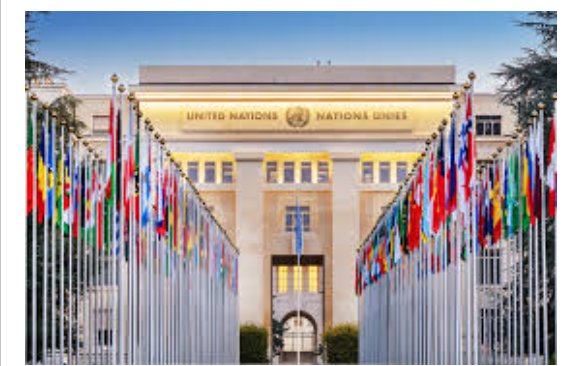
A United Nations Population Fund (UNFPA) report, released on 18 June 2025, has linked Nigeria’s high fertility rate of 5.3 children per woman to weak reproductive rights, exacerbating poverty and straining public services.
The report, presented in Abuja, highlights limited access to contraception, cultural barriers, and inadequate sexual education as key drivers. Nigeria, with a population of over 230 million, faces significant challenges in managing its growth, particularly in northern states, where early marriage and low female literacy rates are prevalent. The UNFPA urged the government to prioritise reproductive health policies to achieve sustainable development.

The report notes that only 15% of Nigerian women use modern contraceptives, compared to a global average of 48%, due to supply shortages and societal stigma. In rural areas, child marriage rates exceed 40%, with girls as young as 12 denied reproductive autonomy. The UNFPA linked these trends to Nigeria’s security crises, such as the Benue attacks, where displaced populations face heightened risks of gender-based violence and unplanned pregnancies. The agency called for increased funding for family planning and education, citing successful models in Rwanda and Ethiopia.
Nigerian officials, including Health Minister Ali Pate, acknowledged the report’s findings but cited budgetary constraints and cultural resistance as obstacles. Women’s rights groups, such as the Federation of Muslim Women’s Associations in Nigeria, have demanded stronger enforcement of the Child Rights Act to curb early marriage. Critics argue that the government’s focus on security, as seen in Tinubu’s Benue visit, overshadows reproductive health investments. The UNFPA warned that without action, Nigeria’s population could double by 2050, straining resources and exacerbating inequality.
The report has sparked debate about balancing cultural norms with modern reproductive rights. Stakeholders at a South-South forum on the Child Rights Act echoed the UNFPA’s call for community-led solutions, such as engaging traditional leaders to promote family planning.
As Nigeria grapples with its demographic challenges, the government faces pressure to integrate reproductive rights into its development agenda, ensuring women’s autonomy and sustainable population growth.
