


Umahi Reassures Nigerians On Lagos-Calabar Coastal Highway Amid Crack Concerns.
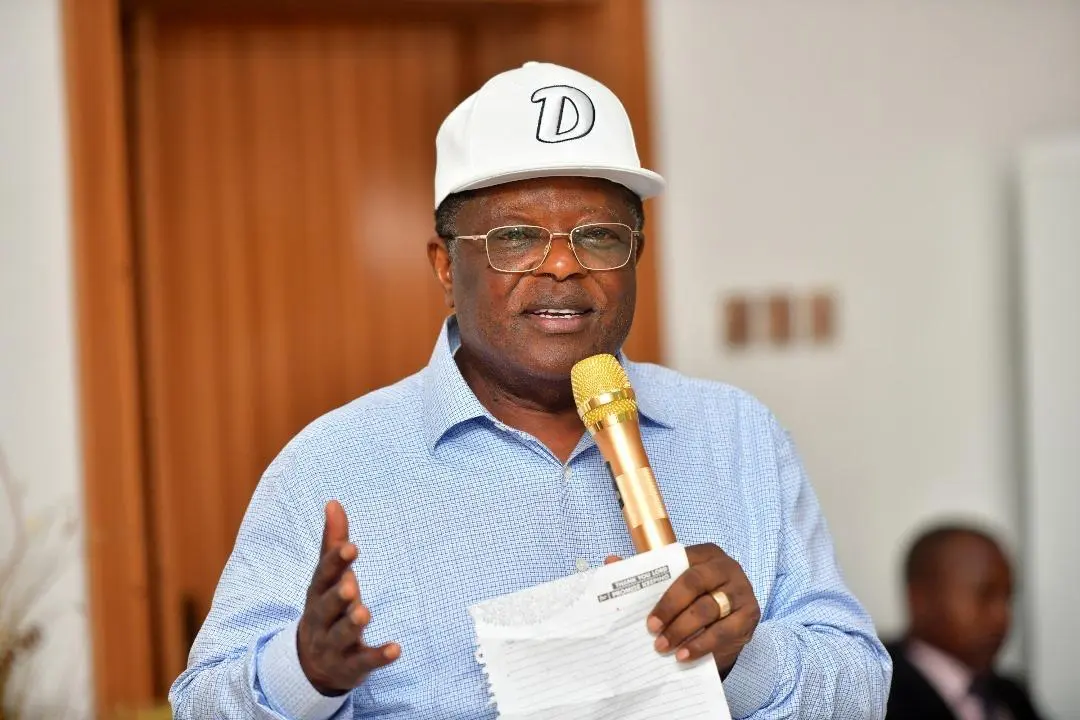
Abuja, Nigeria – Senator David Umahi, the Minister of Works, has addressed public concerns over a reported crack on a section of the Lagos-Calabar Coastal Highway, assuring Nigerians that it does not indicate structural failure. Speaking at a press conference in Abuja on Wednesday, 6 August 2025, Umahi clarified that the crack, which gained attention through viral social media images, appeared on the sand-filled shoulder of the highway, not the main carriageway, and is a minor issue that will be rectified swiftly.

The Lagos-Calabar Coastal Highway, a 700-kilometre infrastructure project under President Bola Tinubu’s administration, aims to connect Lagos with Cross River State, passing through Ogun, Ondo, Delta, Bayelsa, Rivers, and Akwa Ibom. With 30 kilometres of the first 47.47-kilometre phase already completed, the project is poised to enhance trade, tourism, and connectivity across Nigeria’s coastal states. However, recent images of a crack sparked debate about the quality of construction, prompting Umahi to respond after receiving over 500 messages from concerned citizens.
Umahi explained that the affected section is still under construction, and the crack resulted from water erosion on the untreated sand-filled shoulder, where underground drainage and cable ducts are yet to be installed. “The main carriageway is structurally sound, and no completed section has cracked or will crack,” he affirmed, noting that repairs to the shoulder would be completed within 48 hours without delaying the project timeline. He further highlighted the use of concrete pavement by Hitech Construction Company Ltd., which ensures durability, and plans to install protective gantries to prevent damage from over-height vehicles.
The minister also provided updates on other infrastructure initiatives, including emergency repairs on the Third Mainland and Carter Bridges in Lagos, which remain closed to heavy vehicles due to structural concerns. Umahi disclosed that President Tinubu has directed the Federal Executive Council to secure alternative funding for road projects previously supported by the Nigerian National Petroleum Company Limited, ensuring continuity despite financial challenges. The Lagos-Calabar project, estimated at ₦15.6 trillion, is partly funded by a $747 million loan led by Deutsche Bank, with completion of the first phase targeted for May 2025.
Umahi urged the public to verify information before sharing, cautioning against misinformation that could undermine confidence in the project. “This highway is a legacy for generations, designed to withstand flooding and climate challenges for decades,” he said, citing features like elevated pavement and underground drainage systems. Local commuter Chinedu Okeke expressed relief at the clarification but called for ongoing transparency to maintain public trust.
The government remains committed to delivering the highway, which is expected to create jobs and drive economic growth across nine states. With stakeholder engagement ongoing and robust engineering standards in place, Umahi’s assurances signal a determination to keep the project on track, addressing concerns promptly while advancing Nigeria’s infrastructure ambitions.
