


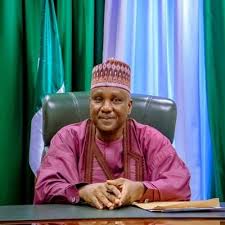
Speaker Abbas Withdraws Compulsory Voting Bill Amid Public Pushback.
Tajudeen Abbas, Speaker of the Nigerian House of Representatives, has withdrawn a controversial bill that would have mandated compulsory voting in Nigeria’s elections, following significant public and political opposition. The decision, announced on Monday, marks a rare reversal in response to widespread criticism from citizens and stakeholders who viewed the proposal as impractical and overly punitive.
The bill, initially proposed to address Nigeria’s historically low voter turnout, sought to impose fines or community service on eligible voters who failed to participate in elections. Proponents argued it would boost civic engagement and strengthen democratic participation in a country where apathy has often plagued the electoral process. However, critics, including civil society groups and opposition lawmakers, decried the measure as authoritarian, arguing it infringed on personal freedoms and failed to address root causes of voter disengagement, such as distrust in institutions and logistical barriers.

In a statement made at the house of Rep, Abbas confirmed the withdrawal, acknowledging the concerns raised by Nigerians. “After careful consideration and robust engagement with stakeholders, I have decided to withdraw the compulsory voting bill. Our democracy thrives on the will of the people, and it is clear this proposal does not align with their current aspirations,” he said. The announcement was also shared on X, where it sparked a mix of relief and continued debate among users.
Public reaction on social media highlighted the contentious nature of the bill. Many Nigerians expressed frustration over its punitive approach, with some arguing that resources would be better spent improving electoral infrastructure, such as ensuring timely delivery of voting materials and enhancing security at polling stations. Others praised Abbas for his responsiveness, viewing the withdrawal as a sign of democratic maturity.
Political analyst Dr. Aisha Mohammed told TheCable that the bill’s withdrawal reflects growing public influence in Nigerian governance. “This is a victory for civic advocacy. It shows that when citizens speak out, leaders are compelled to listen,” she said. However, she cautioned that deeper issues, such as voter education and electoral transparency, remain unaddressed and require urgent attention.
The decision comes at a time when Nigeria’s democratic processes are under scrutiny, with ongoing debates about electoral reforms ahead of the 2027 general elections. Abbas has pledged to focus on alternative measures to encourage voter participation, including public awareness campaigns and legislative support for electoral improvements.
The withdrawal of the bill has been met with cautious optimism, with many Nigerians hoping it signals a shift toward more inclusive and practical approaches to strengthening democracy. For now, the focus remains on fostering dialogue between lawmakers and the public to ensure future policies reflect the nation’s diverse needs and aspirations.
