


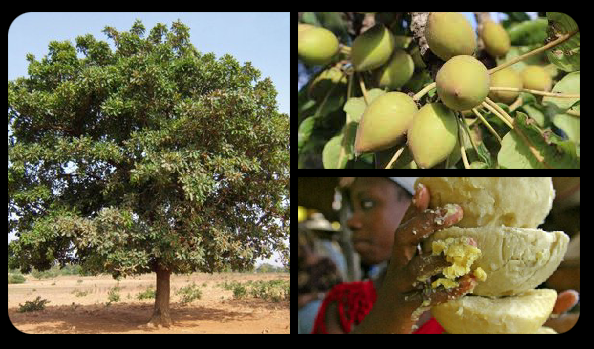
Shea Industry Poised For Growth As Stakeholders Rally Behind Nigeria’s Export Ban.
The Alliance for Economic Research and Ethics Ltd/GTE has hailed the Federal Government’s six-month ban on raw shea nut exports as a transformative step towards industrialisation, while urging swift action to purchase unsold stock to protect farmers and exporters. The policy, announced by President Bola Tinubu on 26 August 2025, aims to boost local processing and position Nigeria as a global leader in refined shea butter, promising significant economic and social benefits for rural communities.
Dele Oye, the Alliance’s chairman and former president of the Nigerian Association of Chambers of Commerce, Industry, Mines and Agriculture, praised the ban as a strategic move to unlock the $6.6 billion potential of Nigeria’s shea industry. Speaking at a press briefing, Oye highlighted the policy’s alignment with the government’s industrialisation and gender empowerment goals, noting that 90% of shea nut pickers and processors are women. “This is a bold step towards rural transformation and capturing a larger share of the global market,” he said.

The ban, effective immediately and subject to review after six months, follows similar restrictions by West African neighbours like Ghana and Burkina Faso. Nigeria, which produces 40% of the world’s shea nuts—approximately 350,000 metric tonnes annually across 30 states—currently captures less than 1% of the $6.5 billion global market. Vice President Kashim Shettima described this as “unacceptable,” projecting that the policy could generate $300 million in the short term and $3 billion by 2027 through enhanced local processing.
To mitigate the impact on smallholder farmers and exporters, the Alliance urged the government to purchase current raw shea nut output and unsold stock, preventing losses due to the perishable nature of the crop and limited domestic processing capacity. Oye cited successful models in Ghana and Malaysia, where phased transitions supported stakeholders during policy shifts. He also called for clear communication, financing, and technical assistance to upgrade local facilities, ensuring a smooth transition for processors and exporters.
The policy has sparked optimism among rural communities, particularly in states like Niger, Kwara, and Kebbi, where new aggregation infrastructure is planned for late 2025. The recent opening of a major shea butter processing plant in Niger State, described as one of Africa’s largest, underscores the sector’s potential. Agriculture expert Dr Ahmed Ismail from the Federal University of Minna welcomed the ban, noting it could curb exploitation of farmers by urban buyers and create local jobs through refining.
Despite concerns from some exporters about disrupted contracts, the Network of Practising Non-oil Exporters of Nigeria expressed readiness to collaborate with the government to strengthen the shea value chain. With Nigeria eyeing new market access in Brazil and beyond, the ban is set to transform the nation from a raw material exporter to a global supplier of high-value shea products, fostering economic diversification and empowering rural women.
