


Police Pension Crisis Undermines Morale, Warns IGP Egbetokun.
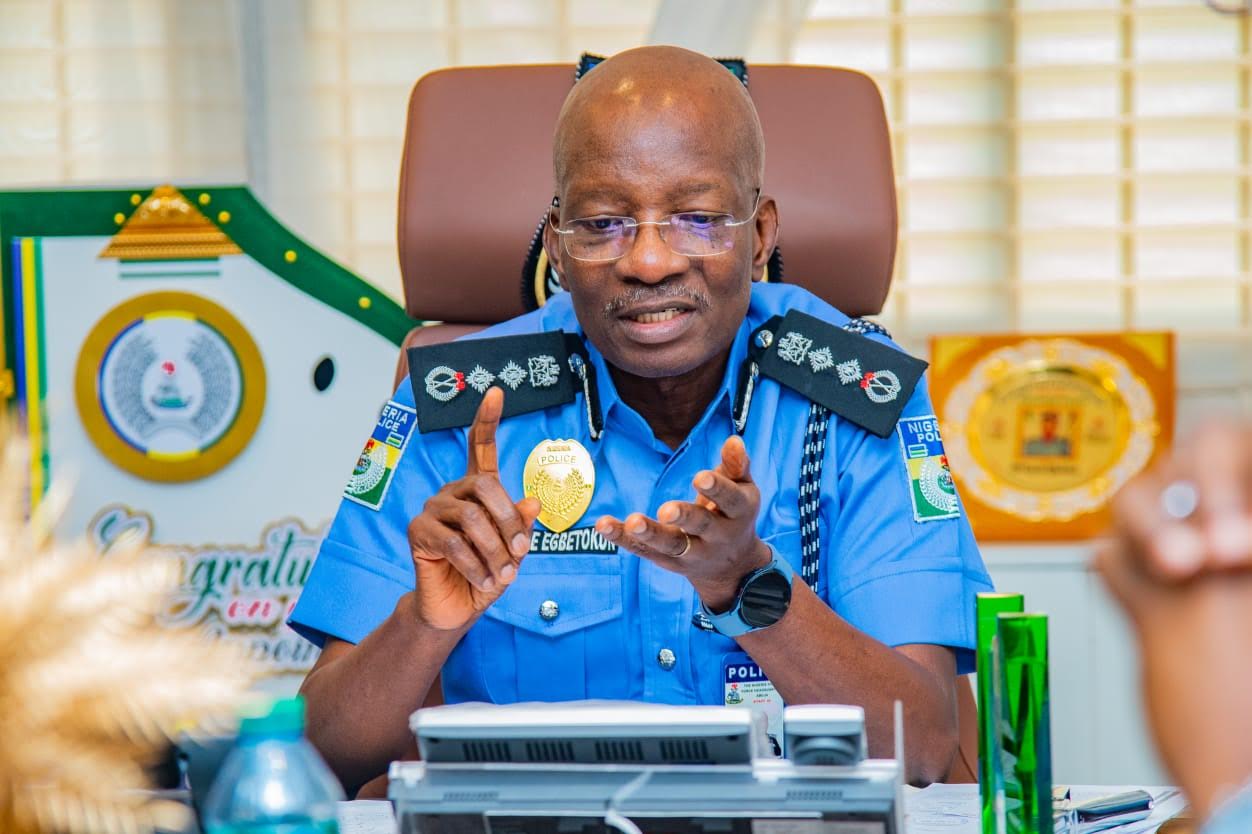
Kayode Egbetokun, Nigeria’s Inspector-General of Police, has raised alarm over the dire state of police pensions, stating that the inadequate retirement benefits are severely impacting the morale of serving officers. Speaking at a strategic meeting with senior police officers in Abuja, Egbetokun described the living conditions of many retired officers as “humiliating” and “morally unacceptable,” highlighting the profound effect on the force’s overall spirit.
The Contributory Pension Scheme (CPS), which governs police retirement benefits, has come under intense scrutiny following widespread protests by retirees. On 21 July 2025, thousands of former officers took to the streets across Nigeria, from Abuja to Calabar, demanding an exit from the CPS and the establishment of a dedicated Police Pension Board. Protesters, many in their 60s and 70s, carried placards with messages such as “End Police Pension Suffering” and “We Deserve Better After Service.” One retiree, a 67-year-old former Chief Superintendent of Police, Manir Lawal, told reporters, “We served this country faithfully and deserve to retire in dignity. This pension scheme has impoverished us.”

Egbetokun acknowledged the legitimacy of these grievances, noting that monthly pensions under the CPS, often ranging between N14,000 and N40,000, are insufficient to meet even basic needs like healthcare and housing. “The poor state of retirees creates deep-rooted anxiety among serving officers, who fear retirement as a descent into hardship,” he said. The Inspector-General revealed that he has been engaging with high-level stakeholders, including the National Security Adviser, Nuhu Ribadu, to explore solutions. However, he cautioned that exiting the CPS is beyond the authority of any single Inspector-General, as legislative and structural challenges have stalled reform efforts since 2014.
Former Inspector-General Usman Alkali Baba echoed Egbetokun’s concerns, criticising the CPS for creating a “system of segregation” where senior officers receive better benefits while lower-ranked retirees struggle. In a recent interview, Baba noted that some of his colleagues have not received their retirement benefits years after leaving service, describing the scheme as a failure that discards retirees after a decade, regardless of their survival.
The crisis has sparked broader calls for reform, with suggestions that the Nigeria Police Force could adopt a model similar to the Federal Road Safety Corps, which allocates 40% of its internally generated revenue to personnel welfare, including pensions. Egbetokun has ordered a thorough investigation into specific claims, such as those raised in a viral video by a retired Superintendent of Police, who revealed receiving only N3 million in total benefits, including N1 million in arrears. The Inspector-General has tasked NPF Pensions Limited with identifying lapses and implementing corrective measures.
As protests continue, retirees have issued a 30-day ultimatum to the government, threatening a nationwide strike by 1 August 2025 if their demands for a fair pension system are not met. Egbetokun has urged serving officers to refrain from public statements that could portray the force as undisciplined, while assuring retirees that their welfare remains a priority. “We feel your pain because we, too, will retire one day,” he said, pledging to pursue practical solutions to restore dignity to Nigeria’s police pensioners.
The ongoing crisis underscores a broader challenge: a police force tasked with securing the nation cannot function effectively with low morale and outdated systems. Addressing these concerns with sincerity, as Egbetokun has promised, could not only improve the lives of retirees but also bolster the confidence of those still in service.
