


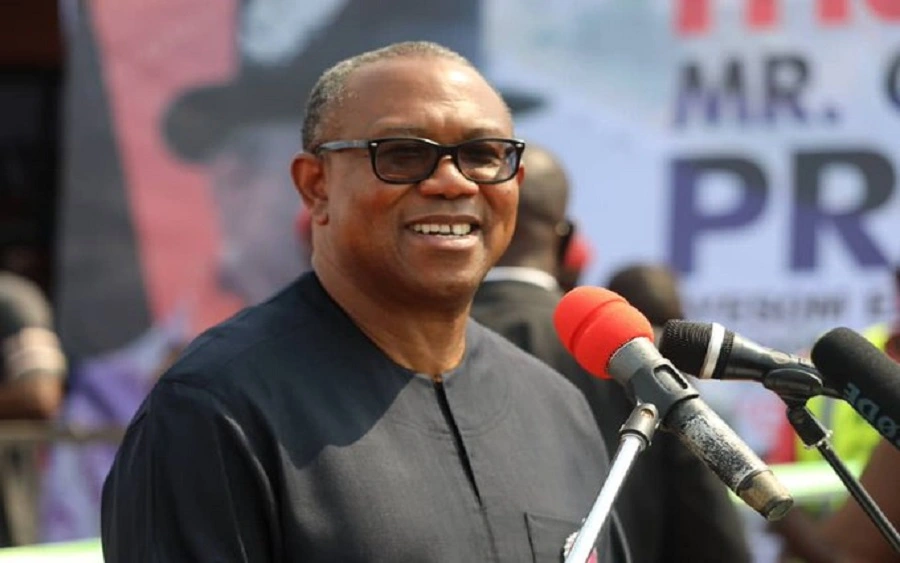
Peter Obi Calls For Gradual Fuel Subsidy Removal, Criticises Abrupt Approach.
Peter Obi, the Labour Party’s presidential candidate in the 2023 general election, has reiterated his support for the removal of Nigeria’s fuel subsidy but stressed that the process should have been handled gradually rather than abruptly. In a recent interview with Arise Television on Monday, 9 June 2025, the former Anambra State governor criticised the current administration’s “haphazard” implementation, arguing that a more organised approach would have mitigated the economic hardship faced by Nigerians.
“I have consistently maintained that I would have removed the fuel subsidy,” Obi stated, referencing his campaign manifesto. “It’s clearly stated in my manifesto, along with the steps I would have taken to do so in an organised way. The problem is not with the policy itself but with the chaotic manner in which it was implemented.” He described the subsidy regime as riddled with “criminality and corruption,” emphasising the necessity of its removal but questioning the lack of planning and transparency in the process.

Obi highlighted the abrupt removal announced by President Bola Tinubu on 29 May 2023, during his inauguration, which saw petrol prices soar from ₦190 to over ₦850 per litre, triggering widespread inflation and a cost-of-living crisis. “There is nothing wrong with the removal of fuel subsidy. What is wrong is the haphazard way in which it was announced and implemented,” he said, echoing sentiments shared in posts on X and various media reports. He argued that a gradual approach, coupled with consultations with stakeholders, would have reduced the shock to the economy and allowed for better-structured relief measures.
The former governor also questioned the allocation of savings from the subsidy removal. “Since we were told that we removed it because we don’t want to borrow and that the funds will allow for investments in critical infrastructure, where is it? Where is it invested in critical areas of development? Everybody knows critical areas—education, health, and pulling people out of poverty. Have any of these three improved? No,” Obi remarked, pressing for transparency and empirical evidence of how the billions saved have been utilised.
On the related policy of floating the naira, Obi expressed similar concerns, supporting the move in principle but cautioning that it requires a foundation of boosted productivity. “There’s nothing wrong with floating your currency. But you do it when your economy is productive,” he explained. “My approach would have involved first strengthening sectors like agriculture and manufacturing before taking such a step.” He advocated for a methodical, gradual process to ensure stability and minimise disruption for ordinary Nigerians.
Obi’s comments come amidst ongoing economic challenges, with Nigerians grappling with soaring fuel prices, inflation, and reduced purchasing power. His critique underscores a call for better governance, strategic planning, and a focus on cushioning the impact of reforms on the masses, a stance he has maintained since his days on the Economic Management Team under former President Goodluck Jonathan. As the debate continues, Obi’s vision for a more organised approach resonates with many calling for sustainable solutions to Nigeria’s economic woes.
