


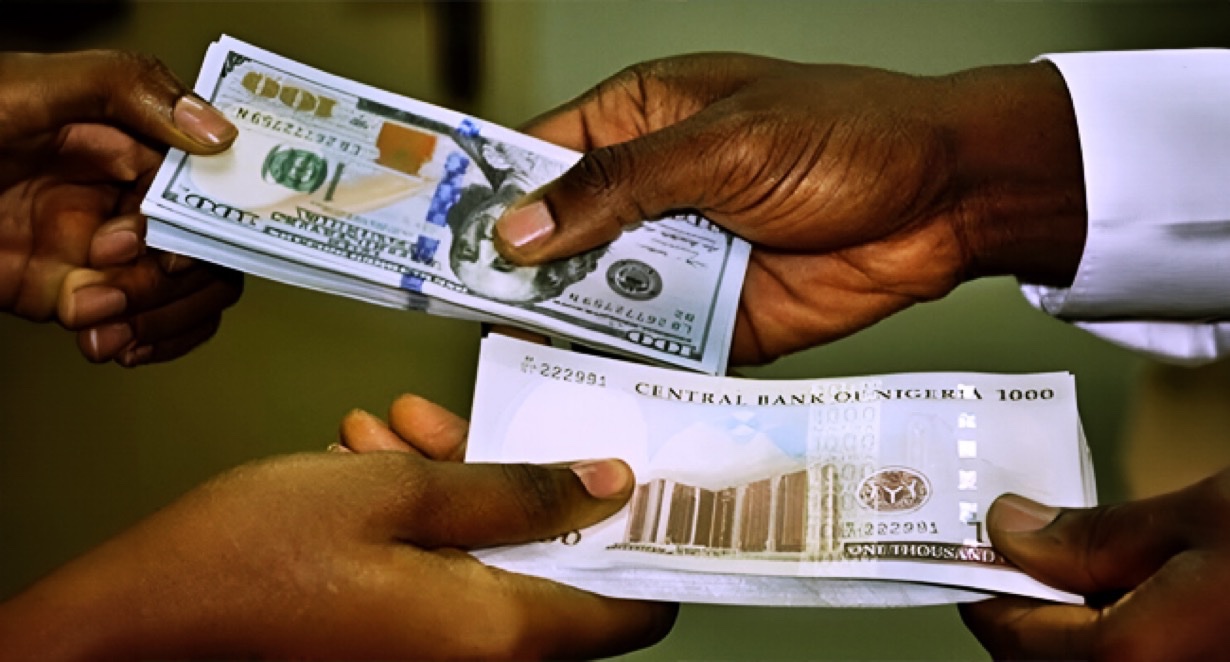
Oshiomhole Attributes Naira’s Collapse To Buhari Administration’s Excessive Money Printing.
Senator Adams Oshiomhole, representing Edo North, has blamed the “excessive printing of money” by the Central Bank of Nigeria (CBN) under former President Muhammadu Buhari for the dramatic collapse of the naira. The revelation came during a Progressives Governors Forum meeting in Benin City on Saturday, 28 June 2025, sparking fresh discussions about Nigeria’s economic challenges.
Speaking at the interactive session, Oshiomhole, a former Edo State governor and key figure in the All Progressives Congress (APC), described the CBN’s reliance on the Ways and Means policy—a mechanism allowing the federal government to borrow from the apex bank to cover fiscal deficits—as reckless and unsustainable. “They called it Ways and Means, but I can tell you what it means: printing banknotes not based on earned resources, just to meet a money illusion,” Oshiomhole stated. He likened the policy to practices in Zimbabwe or Idi Amin’s Uganda, where unchecked money printing led to severe currency devaluation.

The senator’s remarks highlight the naira’s steep decline against the US dollar, a crisis that has persisted since Buhari’s tenure. Social media reactions on X echoed Oshiomhole’s sentiments, with users expressing frustration over the economic fallout. One post noted, “It’s ironic that Oshiomhole, a staunch defender of Buhari’s government, now points fingers at its failures,” urging the senator to reflect on his own role in the administration.
Oshiomhole’s critique adds to ongoing debates about Nigeria’s economic policies. The Buhari administration’s naira redesign in 2022, initially presented as a tool to curb corruption and vote-buying, faced significant backlash for causing cash shortages and hardship. Oshiomhole himself had previously called the redesign “senseless,” accusing the CBN of misleading Buhari with an anti-corruption narrative to disrupt the 2023 elections.
Despite his criticism of the past, Oshiomhole has expressed support for President Bola Tinubu’s economic reforms, arguing in May 2025 that the inherited liabilities from Buhari’s era, including the misuse of Ways and Means, necessitated tough decisions like fuel subsidy removal. “Nigeria was on its way to Zimbabwe if those steps weren’t taken,” he said, urging patience as Tinubu’s policies aim for long-term recovery.
The senator’s comments have reignited public discourse on accountability and the long-term impact of monetary policies. As Nigeria grapples with inflation and currency instability, Oshiomhole’s candid assessment underscores the need for prudent economic management to restore confidence in the naira and secure a stable future for Africa’s largest economy.
