


NOA Issues Urgent Warning On Fake ₦1,000 Notes Circulating In Kwara And Akwa Ibom.
The National Orientation Agency (NOA) has raised the alarm over the circulation of counterfeit ₦1,000 notes in Kwara and Akwa Ibom states, urging residents and businesses to exercise heightened vigilance. The warning, issued by NOA state directors in both regions, highlights the activities of syndicates flooding local markets with fake currency, targeting unsuspecting traders and point-of-sale (POS) operators during peak commercial hours.
In Kwara, Alhaji Abdulganiyu Dare, the state director of NOA, confirmed intelligence reports of counterfeit ₦1,000 notes bearing batch numbers 364232 and 898248. These fake notes can be identified by their blurred portraits, irregular watermarks, and inconsistent security features. Dare emphasized the need for caution, particularly in bustling markets where fraudsters exploit high transaction volumes to pass off the counterfeit currency. “These syndicates target POS operators and merchants, defrauding them of their hard-earned money,” he stated, calling for public cooperation to curb the spread of fake notes.

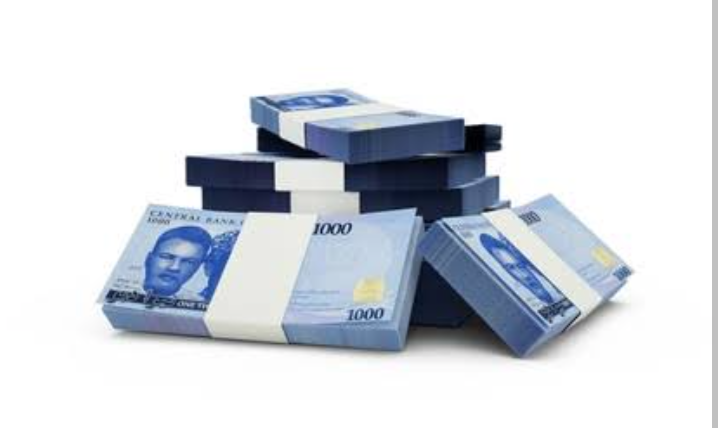
Similarly, in Akwa Ibom, NOA’s state director, Mr Mkpoutom Mkpoutom, reported a surge of counterfeit ₦1,000 notes in coastal areas, including Udung Uko, Mbo, Oron, Okobo, and Ibeno. The fake notes, also bearing batch numbers 364232 and 898248, exhibit the same telltale signs of blurred portraits and faulty security features. Mkpoutom described the circulation of counterfeit currency as “unpatriotic and heinous,” warning that it threatens to destabilize the local economy. He urged residents to report suspicious notes to security agencies and to scrutinize cash transactions carefully.
To help the public identify counterfeit ₦1,000 notes, the NOA has outlined key security features to check, drawing on guidance from the Central Bank of Nigeria (CBN). Genuine notes feature a gold foil near the CBN governor’s signature, which does not peel when scratched, unlike counterfeit versions. When placed under a mercury bulb, authentic ₦1,000 notes display a shining “1000” across the surface. Additionally, dipping a genuine note in water or petrol will not cause the colours to run or the paper to degrade, whereas fake notes often dissolve or become rough, resembling paper mache. The CBN also highlights the kinegram—a security feature showing the Nigerian Coat of Arms on genuine ₦1,000 notes—and an iridescent band that changes appearance when tilted.
The NOA’s warnings come amid a broader rise in financial fraud, with the CBN reporting a 45% surge in such activities, 70% of which are linked to digital platforms. The agency has called for collective action to protect local economies, urging residents to work closely with security agencies to apprehend those responsible. “By staying vigilant and reporting suspicious activities, we can safeguard the financial interests of our communities,” Dare said.
As the NOA continues its public awareness campaign, it has pledged to collaborate with law enforcement to track down the syndicates behind this crime. Businesses and individuals are advised to handle large cash transactions with care and to familiarize themselves with the security features of genuine Naira notes to avoid falling victim to fraud.
