


Nigeria’s Power Sector Set For Transformation As Tinubu Unveils $122.2 Billion Investment Plan.
President Bola Tinubu has launched a historic initiative to revolutionize Nigeria’s power sector, approving the National Integrated Electricity Policy, a 21-year plan designed to attract $122.2 billion in investments. The policy aims to deliver lasting reform to the nation’s power sector, prioritizing energy diversification and sustainable power supply.
Key Highlights of the Policy
– Energy Diversification: The policy focuses on diversifying Nigeria’s energy sources, incorporating solar photovoltaic technology, biomass, wind, gas projects combined with carbon capture, utilization, and storage technologies, nuclear, concentrated solar power, and bioenergy.

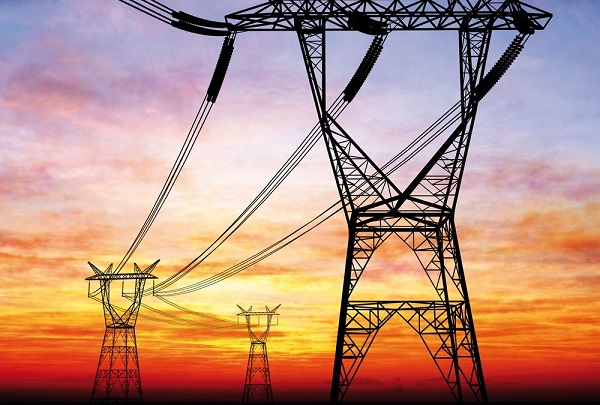
– Transmission Upgrades: $192 million will be invested in transmission upgrades by 2028 to boost transmission capacity nationwide.
– Decentralized Energy Markets: The policy promotes a decentralized approach to energy management and resource planning, fostering a collaborative approach between federal and state governments.
– Sustainable Power Supply: The initiative aims to ensure a stable and sustainable power supply, tackling decades of energy instability in Nigeria.
Implementation and Impact
The implementation of the new electricity policy is already underway and is expected to accelerate following President Tinubu’s approval. The policy’s impact is expected to be visible across the power sector, with a focus on improving infrastructure, enhancing sector governance, and promoting renewable energy sources.
The Minister of Power, Chief Adebayo Adelabu, described the passage of the Electricity Act 2023 as a pivotal moment for the electricity sector, signalling transformative change and laying the foundation for exponential socio-economic growth. The policy is structured across eight chapters, addressing various aspects of Nigeria’s electricity sector, including market design, value chain analysis, stakeholder roles, and climate change initiatives.
