


Nigeria’s Gas Production Surges To 7.58 Billion Cubic Feet In June, Boosting Economic Prospects.
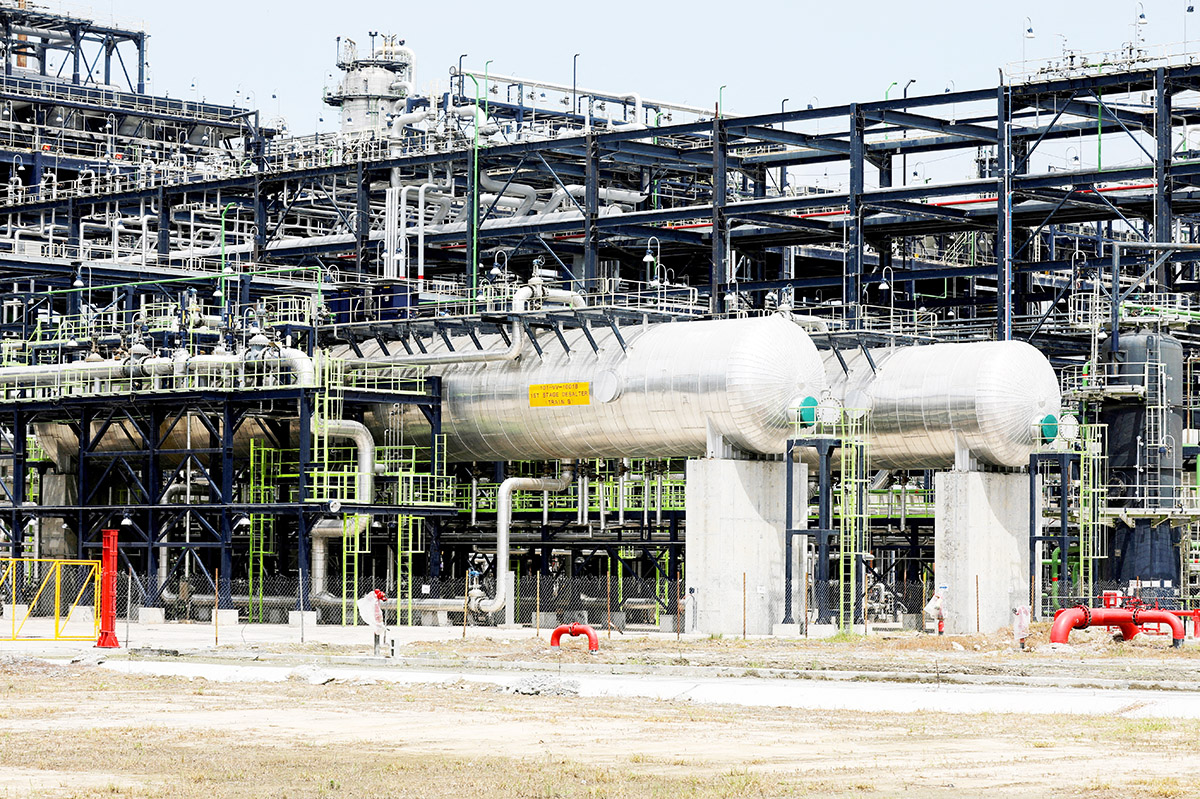
Nigeria’s gas production reached an impressive 7.581 billion standard cubic feet per day (bscf/d) in June 2025, marking a notable increase from 7.352 bscf/d recorded in May, according to the latest performance report from the Nigerian National Petroleum Company Limited (NNPCL). This uptick, detailed in the company’s monthly financial and operations summary, signals a robust recovery in the nation’s energy sector, bolstering its role as a key driver of economic growth.

The report highlights a marginal rise in gas sales, climbing from 4.698 billion standard cubic feet per day in May to 4.742 billion in June. This growth reflects increased demand in both domestic and export markets, supported by enhanced infrastructure. A significant milestone was the near-completion of the Ajaokuta-Kaduna-Kano (AKK) pipeline, which successfully navigated the challenging River Niger crossing and reached 83% completion. This achievement, alongside a pipeline uptime of 97%, has significantly reduced losses from vandalism and sabotage, long-standing issues in Nigeria’s oil-producing regions.
Crude oil and condensate production also saw gains, rising to 1.68 million barrels per day (mbpd) in June, the highest since January 2025. This figure, up from 1.63 mbpd in May, includes 1.42 mbpd of crude oil and 0.26 mbpd of condensate. Despite a slight dip in crude and condensate sales to 21.68 million barrels from 24.77 million in May, the NNPCL reported a total revenue of ₦4.571 trillion for June, with a profit after tax of ₦905 billion. The company’s cumulative statutory payments to the Federation Account from January to May stood at ₦6.961 trillion, underscoring its critical role in national revenue generation.
On the downstream front, fuel availability at NNPC Retail Limited stations improved significantly, reaching 71% in June compared to 62% in May. While challenges persist in some regions, particularly in the North Central, South-South, and North West zones, these gains reflect ongoing efforts to stabilise fuel supply nationwide. The NNPCL also reported progress in refinery rehabilitation, with the Kaduna Refinery at 81% completion and the OB3 pipeline nearing 96%. Technical reviews for the Port Harcourt, Warri, and Kaduna refineries are underway, though no firm completion dates have been announced.
Beyond its operational achievements, the NNPCL continues to invest in social initiatives. Through its foundation, the company trained 67,544 National Youth Service Corps members in its Financial Literacy Programme in June alone, bringing the total number of beneficiaries to 870,383. These efforts highlight the NNPCL’s commitment to community development alongside its economic contributions.
The sustained growth in oil and gas production, coupled with strategic infrastructure advancements, positions Nigeria to strengthen its energy sector and meet ambitious targets. The NNPCL aims to boost oil production to 2 million barrels per day and gas output to 10 billion cubic feet per day by 2027. These developments, alongside plans to attract $60 billion in investments by 2030, signal a promising future for Nigeria’s economy as it leverages its vast energy resources.
