


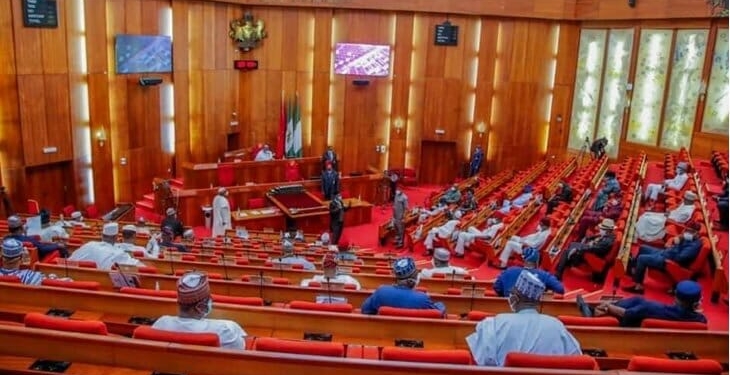
Nigerian Senate Passes All Four Tax Reform Bills In Historic Overhaul.
In a landmark decision, the Nigerian Senate has unanimously passed all four tax reform bills, marking a significant milestone in the nation’s efforts to modernise its tax administration framework. The bills, which cleared their final hurdle on Thursday, are now set for harmonisation in a Senate and House conference committee before being sent to President Bola Tinubu for assent.
The legislation, first transmitted to the National Assembly by President Tinubu on 3 October 2024, comprises the Nigeria Tax Bill 2024, the Tax Administration Bill, the Nigeria Revenue Service Establishment Bill, and the Joint Revenue Board Establishment Bill. Together, they aim to streamline taxation, reduce disputes, and bolster economic development across the country.

The Nigeria Tax Bill 2024 establishes a comprehensive fiscal framework for taxation, while the Tax Administration Bill provides a clear and concise legal structure to minimise conflicts and enhance compliance. The Nigeria Revenue Service Establishment Bill will replace the Federal Inland Revenue Service (FIRS) with a new Nigeria Revenue Service, designed to improve efficiency. Lastly, the Joint Revenue Board Establishment Bill will create a tax tribunal and ombudsman to ensure fair resolution of disputes.
The passage follows intense debates, with the Senate approving two of the bills on Wednesday after clause-by-clause consideration. The remaining two were passed on Thursday, with the chamber rejecting a proposed increase in Value Added Tax (VAT) from 7.5% to 10%, opting to retain the current rate to ease the burden on citizens. The bills also allow VAT input claims on fixed assets, overhead costs, and administrative services, a move hailed as business-friendly.
Senate President Godswill Akpabio emphasised the inclusive process, noting that public hearings will invite input from governors, traditional institutions, NGOs, and other stakeholders. “These reforms are critical to overhauling Nigeria’s tax system and reducing the tax burden on citizens,” he said, addressing concerns raised by some, including Senator Ali Ndume, who had questioned the timing of certain provisions.
Despite initial controversy, particularly from Northern governors, the Presidency clarified that the reforms target national development, not any specific region. The bills’ passage has been widely celebrated on social media, with posts on X reflecting optimism about their potential to drive economic recovery.
As the nation awaits the final harmonised legislation, analysts predict the reforms will enhance transparency, boost revenue collection, and create a more equitable tax system, positioning Nigeria for sustainable growth.
