


Nigerian Senate Issues NNPCL Three-Week Ultimatum To Address N210 Trillion Audit Queries.
The Nigerian Senate has granted the Nigerian National Petroleum Company Limited (NNPCL) a three-week deadline to respond to serious financial discrepancies amounting to N210 trillion, as highlighted in audit reports spanning 2017 to 2023. The directive, issued on Tuesday, 29 July 2025, by the Senate Committee on Public Accounts, follows a series of investigative hearings probing contradictions in the state-owned oil company’s financial statements.

The committee, chaired by Senator Aliyu Wadada, clarified that the N210 trillion—comprising N103 trillion in accrued expenses and N107 trillion in receivables—is not considered stolen or missing but remains unaccounted for. “This committee has never stated that the N210 trillion was stolen,” Wadada told reporters during the session in Abuja. “We are simply requiring NNPCL to provide a detailed explanation in line with the Auditor-General’s findings and our constitutional mandate.” The 19 queries raised by the Auditor-General’s office focus on inconsistencies in the company’s audited accounts, described by Wadada as “mind-boggling” and necessitating urgent transparency.
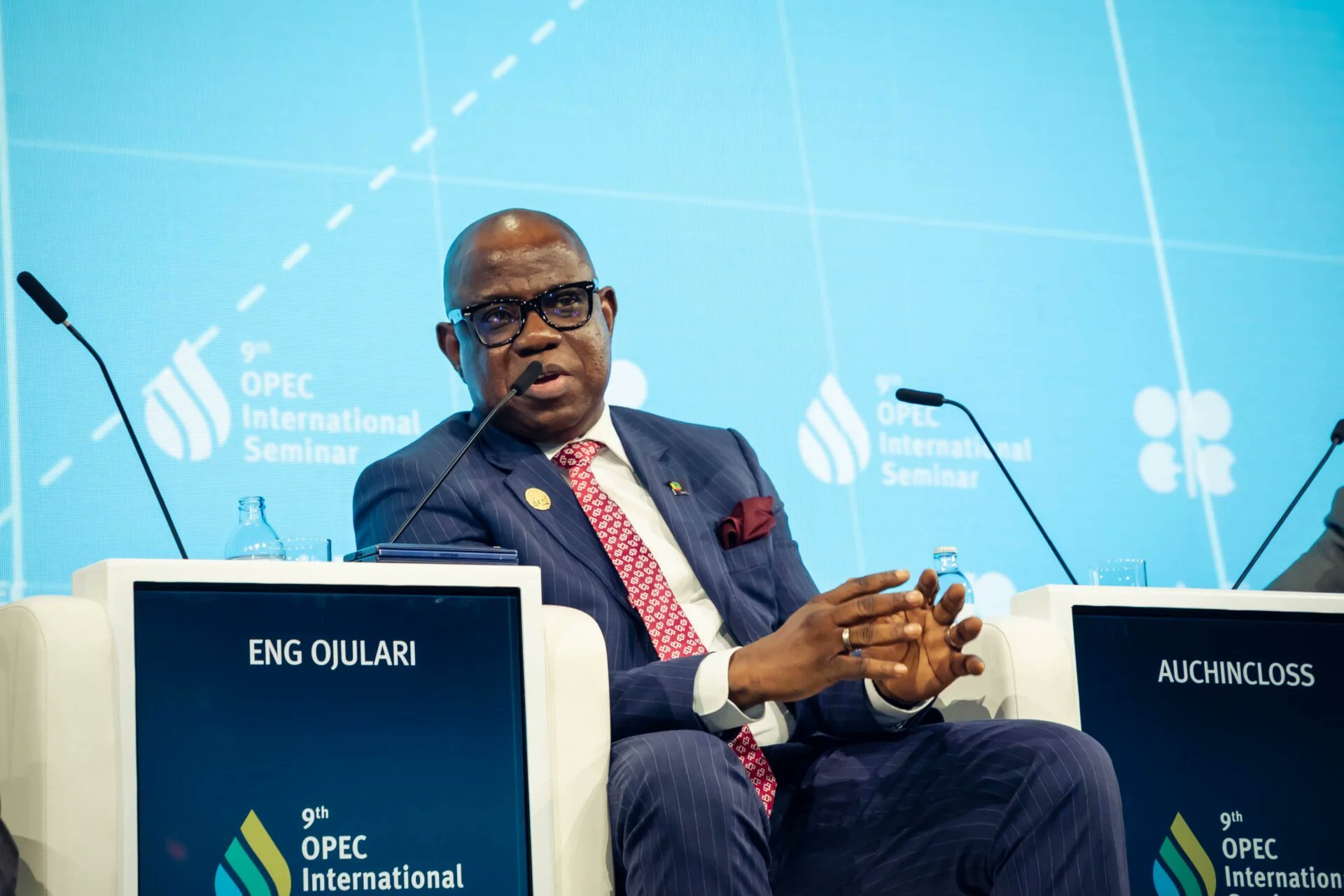
The ultimatum comes after repeated failures by NNPCL’s Group Chief Executive Officer, Engineer Bayo Ojulari, to appear before the committee, prompting threats of a warrant for his arrest after his fourth absence on 22 July. Ojulari, who has been in office for just over 100 days, attended the latest hearing and apologised, citing the complexity of the queries and the need for additional time to coordinate with external auditors. “These issues involve technical details and varying perspectives,” he said, requesting the three-week period to prepare written responses. The committee accepted his apology but insisted that he and other senior management return for an in-person defence after submitting the documents.
The Senate’s probe has reignited concerns about transparency in Nigeria’s oil sector, which accounts for over 80% of the country’s export revenue. Historical audits, including a 2012 report by the Nigeria Extractive Industries Transparency Initiative, have long pointed to systemic issues, such as unremitted dividends and underpaid royalties. The current scrutiny follows a pattern of allegations against NNPCL, though the company has denied malpractice, with a spokesperson previously dismissing corruption claims as “overblown.”
Committee member Senator Tony Nwoye emphasised the importance of a fair hearing, noting that the audit report’s accuracy may be questioned. However, the committee remains firm that NNPCL must clarify the discrepancies, particularly given the government’s push for increased revenue. Between 2017 and 2021, the National Petroleum Investment Management Services, a subsidiary of NNPCL, reported a N9 trillion profit, while NNPCL itself recorded a N16 billion loss over the same period, further raising questions about financial management.
As Nigeria grapples with economic challenges, including a heavy reliance on oil revenue, the outcome of NNPCL’s response could have significant implications. The committee has scheduled a follow-up session after the three-week deadline, where Ojulari is expected to provide detailed answers. The Senate’s insistence on accountability underscores its constitutional role in overseeing public funds, with Wadada stressing, “No one is above scrutiny.” The nation now awaits NNPCL’s response to determine whether these financial queries can be resolved, or if deeper issues in the oil sector will come to light.
