


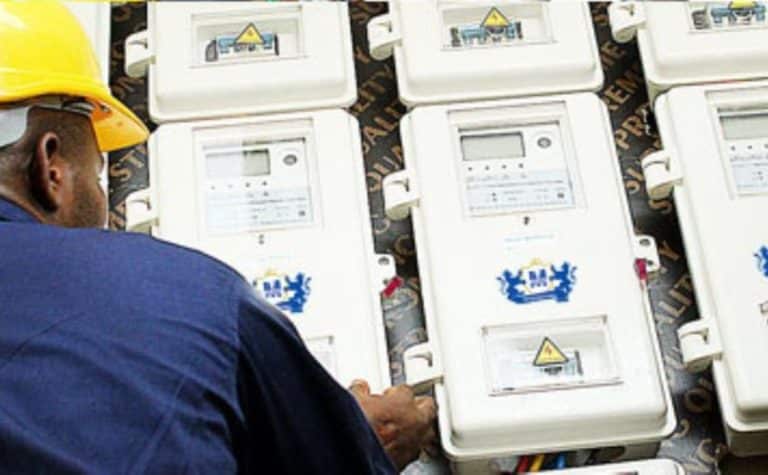
Nigerian Meter Manufacturers Oppose TCN’s £126M Contract Award To Chinese Firms.
The Association of Meter Manufacturers of Nigeria (AMMON) has strongly criticised the Transmission Company of Nigeria (TCN) for awarding contracts worth over N160 billion (£126 million) to two Chinese firms for the supply of electricity meters, despite the robust production capacity of local manufacturers. The decision, which AMMON claims undermines Nigeria’s industrial growth, has sparked renewed calls for the government to prioritise domestic firms in line with President Bola Tinubu’s “Nigeria First Policy.”
In a statement issued on Monday, AMMON’s President, Engr. Durosola Omogbenigun, expressed frustration over TCN’s preference for foreign suppliers, noting that local manufacturers have the capacity to produce 6 million meters annually. “The contribution of local meter manufacturers between 2021 and 2024, valued at N353.7 billion, demonstrates our capability,” Omogbenigun said. He highlighted that the sector employs 10,000 workers directly and 30,000 indirectly, making it a cornerstone of Nigeria’s industrial development.

AMMON raised concerns about the execution of the contracts, which involve the supply of 1.25 million meters at a cost exceeding $100 million (£79 million), funded by a World Bank loan. According to Omogbenigun, only 75,000 meters have been delivered so far, reflecting slow progress and high costs. He also noted that TCN is planning a second procurement of 1.55 million meters from foreign firms, further sidelining local producers. “This will contribute in no small measure to killing local manufacturing,” he warned.
The association argued that prioritising local manufacturers would curb capital flight, create jobs, and support Nigeria’s ambition to become a regional export hub under the African Continental Free Trade Area (AfCFTA). “With the right policy support, Nigeria’s metering industry can transition from early-stage manufacturing to full-scale production,” Omogbenigun stated.
AMMON’s statement comes amid growing tensions over foreign contracts in Nigeria’s power sector. The association praised President Tinubu’s “Nigeria First Policy,” which aims to promote locally made goods, and urged the government to align procurement practices with this vision. “Your leadership inspires confidence and renews hope in Nigeria’s industrial future,” Omogbenigun said, pledging AMMON’s support for the administration’s Renewed Hope Agenda.
The controversy has drawn attention to broader challenges facing Nigerian manufacturers. Earlier this week, the Manufacturers Association of Nigeria (MAN) reported that local firms are facing penalties, including frozen accounts, due to unresolved foreign exchange contracts with the Central Bank of Nigeria. These issues, stemming from the country’s relaxed currency regime in 2023, have compounded the difficulties for indigenous industries.
As the debate intensifies, AMMON has called for urgent government intervention to review TCN’s procurement policies and ensure local manufacturers are given priority. The association’s plea underscores the need for policies that bolster domestic industries, create employment, and drive sustainable economic growth in Nigeria.
