


Nigerian Government Faces Backlash As NNPC Admits State-Owned Refineries Remain Non-Operational.
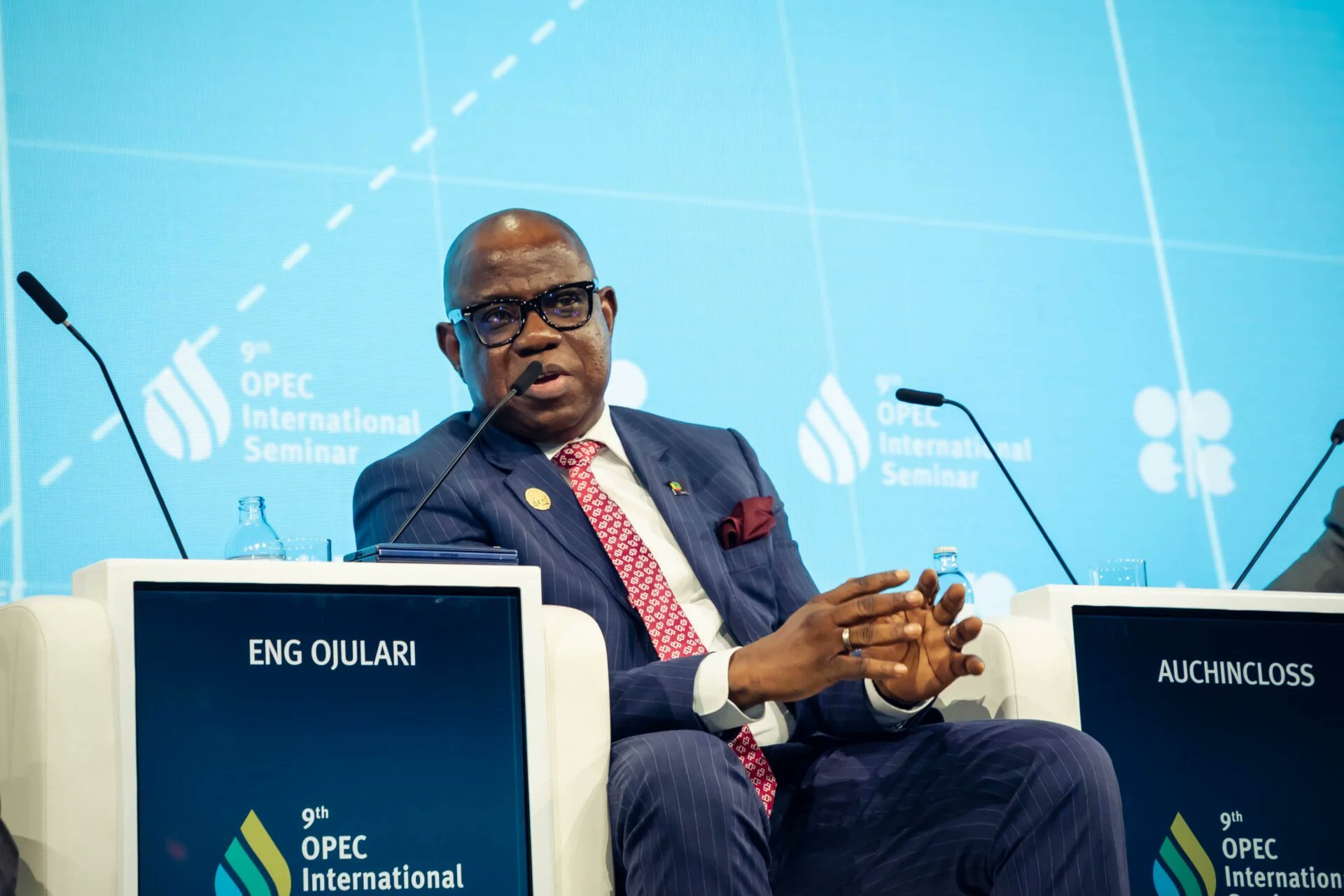
The Federal Government of Nigeria is under intense scrutiny following a revelation by the Nigerian National Petroleum Company Limited (NNPCL) that the country’s state-owned refineries in Port Harcourt, Warri, and Kaduna are still not functioning, despite billions of dollars spent on their rehabilitation. The admission, made by NNPCL’s Group Chief Executive Officer, Bayo Ojulari, has sparked outrage among opposition leaders, lawmakers, and civil society, who are demanding accountability for what they describe as monumental waste and potential corruption.
In an interview with Bloomberg in Vienna on 10 July 2025, Ojulari disclosed that the refineries, with a combined capacity of 445,000 barrels per day, have failed to yield results despite an estimated $18 billion invested in turnaround maintenance over the years. He attributed the failure to outdated technology and ageing infrastructure, suggesting that selling the refineries might be considered as a solution. This statement has reignited long-standing concerns about mismanagement in Nigeria’s oil sector, with critics pointing to the nation’s continued reliance on imported fuel despite being Africa’s largest crude oil producer.

Opposition figures have called for a thorough criminal investigation into the handling of the rehabilitation funds, accusing both the current administration under President Bola Tinubu and its predecessor of misleading the public about the refineries’ status. Former President Olusegun Obasanjo, who has previously criticised the Nigerian National Petroleum Company’s inability to manage the facilities, revealed that a $750 million deal to privatise the refineries in 2007 was reversed by his successor, Umaru Yar’Adua, leading to further financial losses. “They knew they couldn’t fix it, but they wanted to continue benefiting from the rot,” Obasanjo stated, echoing sentiments that vested interests have perpetuated inefficiencies.
Henry Okojie, Chairman of the House Committee on Petroleum Resources (Midstream), described the refineries as critical national assets and cautioned against hasty sales. Representing Esan North East/Esan South East, Okojie stressed that Nigerians, as stakeholders, deserve a say in the facilities’ future. He expressed dismay over recent claims that the Port Harcourt refinery had resumed operations, only for it to shut down again within a month, calling for transparency on how funds, including $1.4 billion allocated for Port Harcourt in 2021, were spent.
Public sentiment, as reflected on social media platforms, mirrors this frustration. Posts on X have decried the $18 billion expenditure as a “sad tale” of mismanagement, with some users questioning who would buy the “moribund equipment” and others lamenting the lack of foresight in selling the refineries before such heavy investments. The Manufacturers Association of Nigeria and crude refiners have also urged the government to sell the facilities as scrap and redirect funds towards modular refineries to bolster the economy.
The controversy has intensified calls for systemic reforms, with groups like the Nigerian Extractive Industries Transparency Initiative pressing for detailed expenditure records and contractor accountability. As Nigeria grapples with economic challenges, including high fuel import costs and a weakening naira, the failure of these refineries underscores the urgent need for transparency and efficiency in managing the nation’s oil wealth. The government now faces mounting pressure to address these issues or risk further erosion of public trust.
