


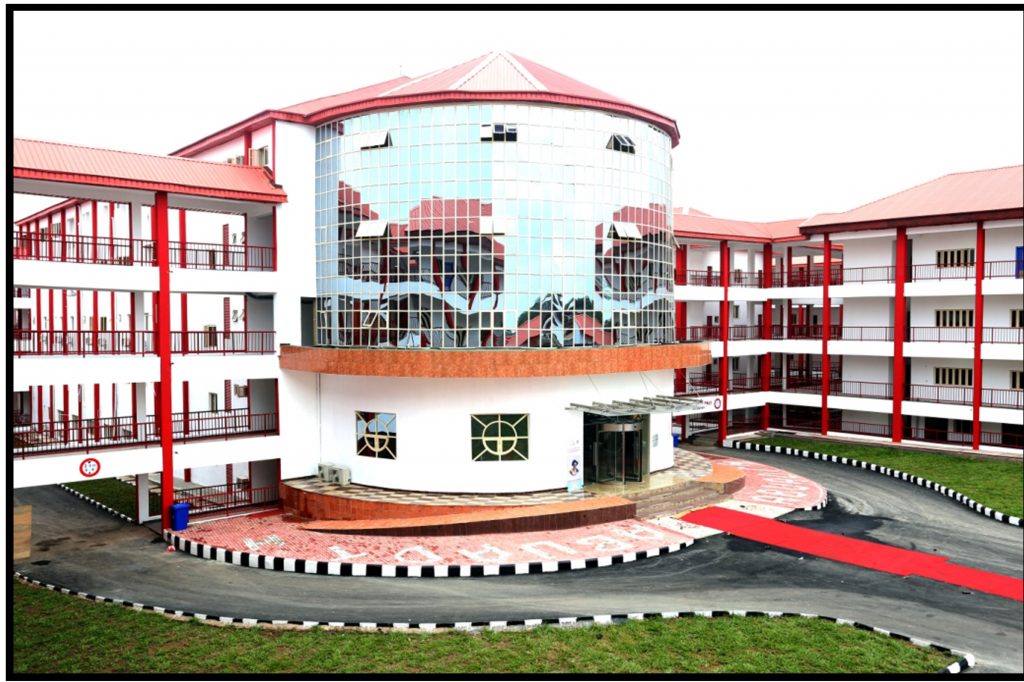
Nigeria To Unveil Three State-Of-The-Art Cancer Centres On 29 May 2025.
The Federal Government of Nigeria is set to commission three cutting-edge cancer treatment centres on 29 May 2025, marking a historic milestone in the nation’s healthcare transformation under President Bola Ahmed Tinubu’s administration. The announcement, made by the Coordinating Minister of Health and Social Welfare, Prof. Muhammad Ali Pate, highlights the government’s commitment to tackling the rising burden of cancer and improving access to advanced medical care across Nigeria.
The new facilities, described as the largest chain of oncology and diagnostic centres in West Africa, are strategically located in the University of Nigeria Teaching Hospital, Ituku Ozala, Enugu (South-East); the University of Benin Teaching Hospital, Benin, Edo State (South-South); and the Federal Teaching Hospital, Katsina (North-West). These centres are designed to serve nearly 2,000 oncology patients and 350,000 diagnostic clients annually, while also training up to 500 clinicians over a three-year period, bolstering Nigeria’s capacity for specialised cancer care.

The initiative, a collaboration between the Federal Ministry of Health and Social Welfare and the Nigerian Sovereign Investment Authority (NSIA), represents the most significant investment in cancer care by any Nigerian administration to date. Prof. Pate noted that the centres align with President Tinubu’s recognition of the profound impact cancer has on Nigerian families, with the disease being a leading cause of death and financial strain. “These facilities will provide world-class treatment and diagnostics, reducing the need for Nigerians to seek care abroad,” the minister stated.
In preparation for the commissioning, key staff from the three institutions have undergone specialised training in South Africa to ensure the centres operate at global standards. This follows the government’s recent efforts to upgrade 201 tertiary healthcare facilities with advanced equipment, including MRI and CT scanners, and anaesthesia machines, over the past year. Additionally, five months ago, the government launched 10 other major cancer diagnostic centres nationwide, further demonstrating its focus on improving healthcare infrastructure.
Cancer remains a pressing public health concern in Nigeria, with rising cases straining the nation’s healthcare system. The new centres are expected to alleviate this burden by offering advanced diagnostics, treatment, and research capabilities. They complement existing policies, such as the National Strategic Cancer Control Plan 2023-2027 and the National Cancer Research Agenda 2024-2027, which aim to enhance prevention, early detection, and treatment of cancers, including cervical cancer, in line with global health goals.
The commissioning of these centres is anticipated to be a landmark event as President Tinubu marks the midpoint of his first term. It underscores the administration’s broader healthcare reforms, including the establishment of new federal medical centres in Epe, Lagos; Ekiti; Akure; Southern Kaduna; and the upgrade of hospitals in Nasarawa and Azare.
Nigerians have welcomed the development, with healthcare professionals and patient advocacy groups praising the government’s proactive approach. As the nation prepares for the official unveiling on 29 May, the centres are poised to transform cancer care, offering hope to thousands of patients and their families while positioning Nigeria as a leader in oncology within the West African region.
