


Nigeria To Boost National Grid With 4,200MWp Solar Power.
Nigeria is set to significantly enhance its electricity supply by integrating 4,200 megawatts-peak (MWp) of solar photovoltaic (PV) energy into the national grid by 2030. This ambitious initiative, announced by the Federal Government, aims to bolster the country’s renewable energy capacity and improve power stability nationwide.
The Minister of Power, Chief Adebayo Adelabu, revealed the plans during a workshop on the Nigeria Battery Energy Storage System (BESS) Feasibility Study in Abuja. Hosted by the Transmission Company of Nigeria (TCN) in collaboration with the African Development Bank Group and the Sustainable Energy Fund for Africa, the event underscored the importance of energy storage solutions to support the growing adoption of solar and wind power. Adelabu highlighted that BESS is a practical and scalable technology to ensure a reliable power supply as Nigeria transitions towards cleaner energy sources.

This solar project aligns with the government’s broader goal to achieve a robust and sustainable energy sector. By 2027, the Federal Government aims to generate and distribute approximately 8,000MW of electricity, with renewable sources playing a pivotal role. The integration of 4,200MWp of solar power is expected to reduce reliance on fossil fuels, enhance energy security, and provide electricity to millions of Nigerians, particularly in underserved regions.
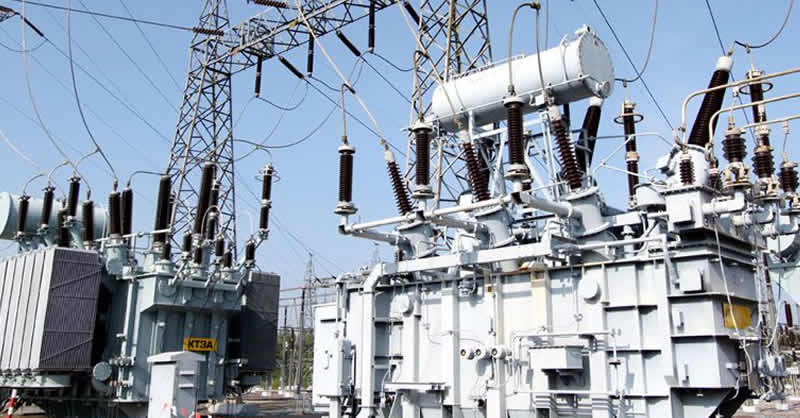
In addition to the solar initiative, the government is addressing grid stability through infrastructure upgrades. The TCN has commissioned 61 new transformers, increasing the grid’s operational capacity to 8,700MW. This improvement has already enabled the successful evacuation of 5,800MW without disruptions, a significant milestone compared to frequent grid collapses in previous years. The 2025 appropriation includes N25 billion to support TCN’s ongoing projects, ensuring continued progress.
The solar push is part of a comprehensive strategy to decentralise and modernise Nigeria’s power sector. Earlier this year, the government announced plans to construct modular solar power plants with a combined capacity of 1,900MW across the 19 northern states. Each plant, designed to produce approximately 100MW, will promote energy independence for states and reduce pressure on the national grid. Private sector investment is also being sought to further expand generation and transmission capabilities.
Chief Adelabu emphasised the urgency of addressing energy challenges, noting that around 150 million Nigerians currently have access to adequate electricity, while 80 million still face unreliable supply. The government’s commitment to renewable energy, coupled with international partnerships, such as those with German companies under the Presidential Power Initiative, is expected to accelerate progress towards universal electricity access.
As Nigeria moves towards its 2060 net-zero emissions target, the integration of solar power and advanced storage systems marks a transformative step. With over 30 states enjoying at least 10 hours of daily sunshine, the country is well-positioned to harness its abundant solar resources. This initiative not only promises a brighter, more sustainable future but also reinforces Nigeria’s leadership in Africa’s renewable energy transition.
By combining innovation, investment, and international collaboration, the Federal Government is laying the foundation for a resilient energy sector that will power economic growth and improve the quality of life for millions across the nation.
