


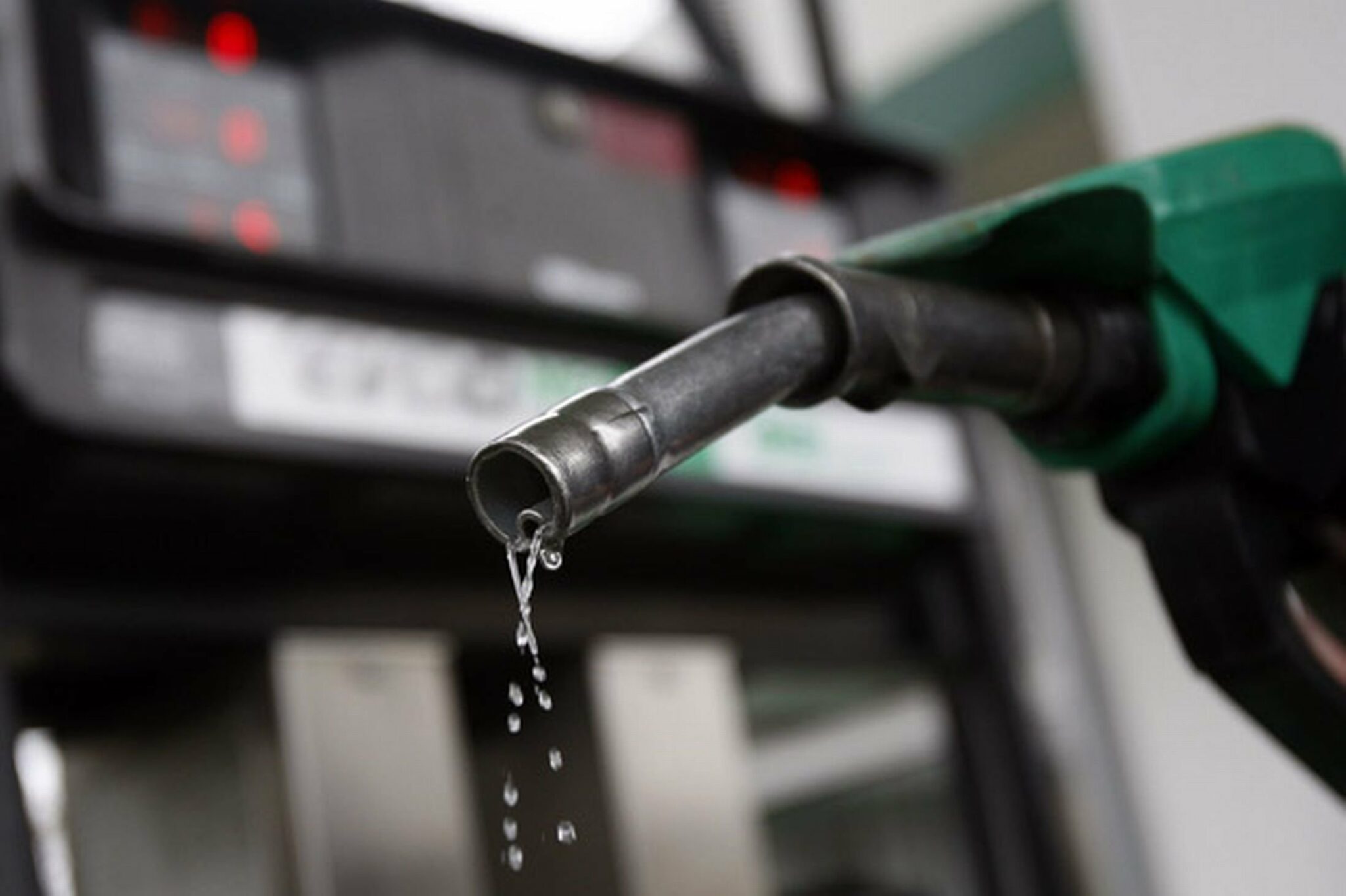
Nigeria Faces Fuel Price Hike As NNPC Raises Petrol Price Amid Economic Hardship.
The Nigerian National Petroleum Company (NNPC) Limited has announced an increase in the pump price of petrol, setting new rates at N915 per litre in Lagos and N955 per litre in Abuja, according to recent reports. This adjustment, effective from Monday, 4 August 2025, marks a significant rise of N50 per litre in Lagos from the previous N865 and N65 per litre in Abuja from N890, adding further pressure on Nigerians grappling with rising living costs.

The price hike was observed across NNPC retail outlets, with stations in Lagos, such as those at Abule Ado and along Ago Palace Way in Okota, updating their pumps to reflect the new N915 per litre rate. In Abuja, the NNPC outlet on Kubwa Expressway adjusted to N955 per litre, aligning with the national oil company’s latest pricing directive. The increase follows a pattern of fluctuations, with NNPC having previously raised prices to N925 per litre in Lagos in December 2024, only to reduce them before this latest adjustment.
This development comes amid heightened competition in Nigeria’s deregulated downstream sector, where some major oil marketers, including Aiteo, AA Rano, Wosbab, Ibachem, and Sahara, have lowered their depot prices to N820 per litre from over N825, prompted by a slight dip in global crude oil prices from $70 to $69 per barrel. However, NNPC’s retail prices remain higher than those of some competitors, such as MRS filling stations, which are selling petrol at N930 per litre in Lagos, reflecting the influence of Dangote Refinery’s pricing strategies.
The price surge has sparked concern among commuters and business owners, who are already contending with economic challenges. Olatide Jeremiah, CEO of Petroleumprice.ng, noted that volatility in the global oil market continues to drive instability in Nigeria’s downstream sector. “Competition will drive prices downwards eventually, but for now, consumers bear the brunt,” he said, hinting at potential relief as Dangote Refinery plans to roll out 4,000 CNG-powered trucks by 15 August 2025 to bolster fuel distribution.
Public sentiment, as seen on social media platforms, reflects frustration over the frequent price adjustments. Posts on X have highlighted the strain on households, with many questioning the timing of the hike amidst ongoing economic pressures. The National Bureau of Statistics reported in July that residents in Jigawa, Ondo, and Lagos paid the highest petrol prices in June, underscoring regional disparities now exacerbated by the latest increase.
The NNPC’s decision follows broader market dynamics, including Dangote Refinery’s recent move to halt naira-based sales of petroleum products due to stalled negotiations over a naira-for-crude deal. With global crude oil prices climbing—Brent crude recently hit $81 per barrel—these pressures continue to shape Nigeria’s fuel market, leaving consumers to navigate the economic fallout of yet another price hike.
As Nigerians brace for the impact, the NNPC’s pricing strategy and the competitive response from private marketers will likely remain under scrutiny, with hopes pinned on future market stabilisation to ease the burden on citizens.
