


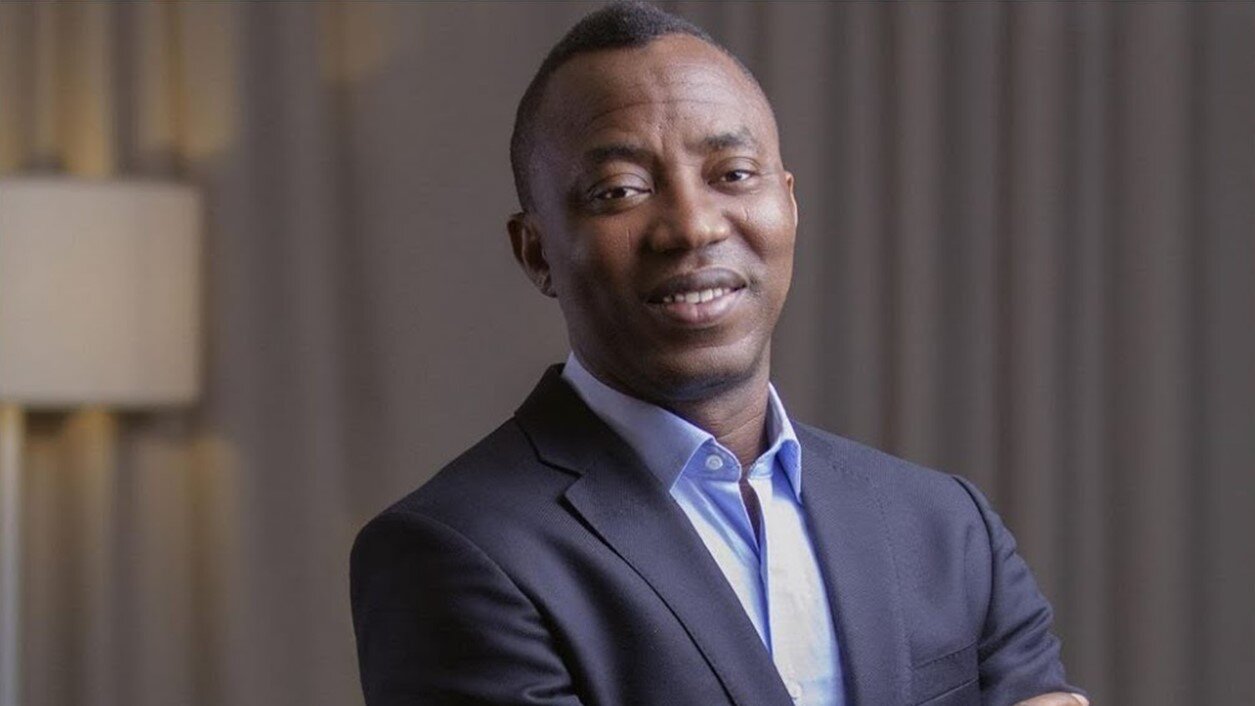
Meta Takes Down Sowore’s Facebook Page Following Alleged Mass Reporting By ‘Obidients’.
Meta, the parent company of Facebook, has reportedly taken down the official Facebook page of Nigerian human rights activist and former presidential candidate, Omoyele Sowore. The removal comes amid a rising wave of political tension between Sowore and fellow former presidential aspirant, Peter Obi.
Although neither Sowore nor Obi directly mentioned each other in a series of posts on X (formerly Twitter) on Thursday, the content and context of their messages made the targets of their criticisms unmistakably clear.

The dispute reignited after Sahara Reporters, a media platform founded by Sowore, published a report alleging that Peter Obi had sought a private meeting with President Bola Tinubu in Rome. The report claimed the meeting was intended to discuss a ₦225 billion debt linked to Fidelity Bank, which Obi once led. Obi swiftly denied the allegations, describing the report as “baseless, malicious, and entirely false.” He clarified that his only encounter with President Tinubu in Rome occurred briefly during the Vatican event — specifically at the inauguration mass of Pope Leo XIV.
The fallout intensified when Obi, without naming Sowore, labelled him a “blackmailer” and “self-proclaimed blackmailer-in-chief” in a follow-up post, signalling a deepening rift between the two political figures.
Shortly after the exchange, Sowore’s Facebook page was reportedly taken offline following a coordinated mass reporting campaign believed to have been led by supporters of Obi, commonly referred to as the ‘Obidients’. As of the time of writing, the page remains inaccessible.
Neither Meta nor any representatives of the Obidient movement have released official statements concerning the takedown. The development underscores the increasingly fraught atmosphere within Nigeria’s online political sphere, where social media platforms have become pivotal battlegrounds for public opinion and political rivalry.
The incident also raises critical concerns about freedom of expression, digital censorship, and the growing tendency to weaponise online reporting mechanisms for political advantage.
Further details regarding the circumstances of the page removal are yet to emerge.
