


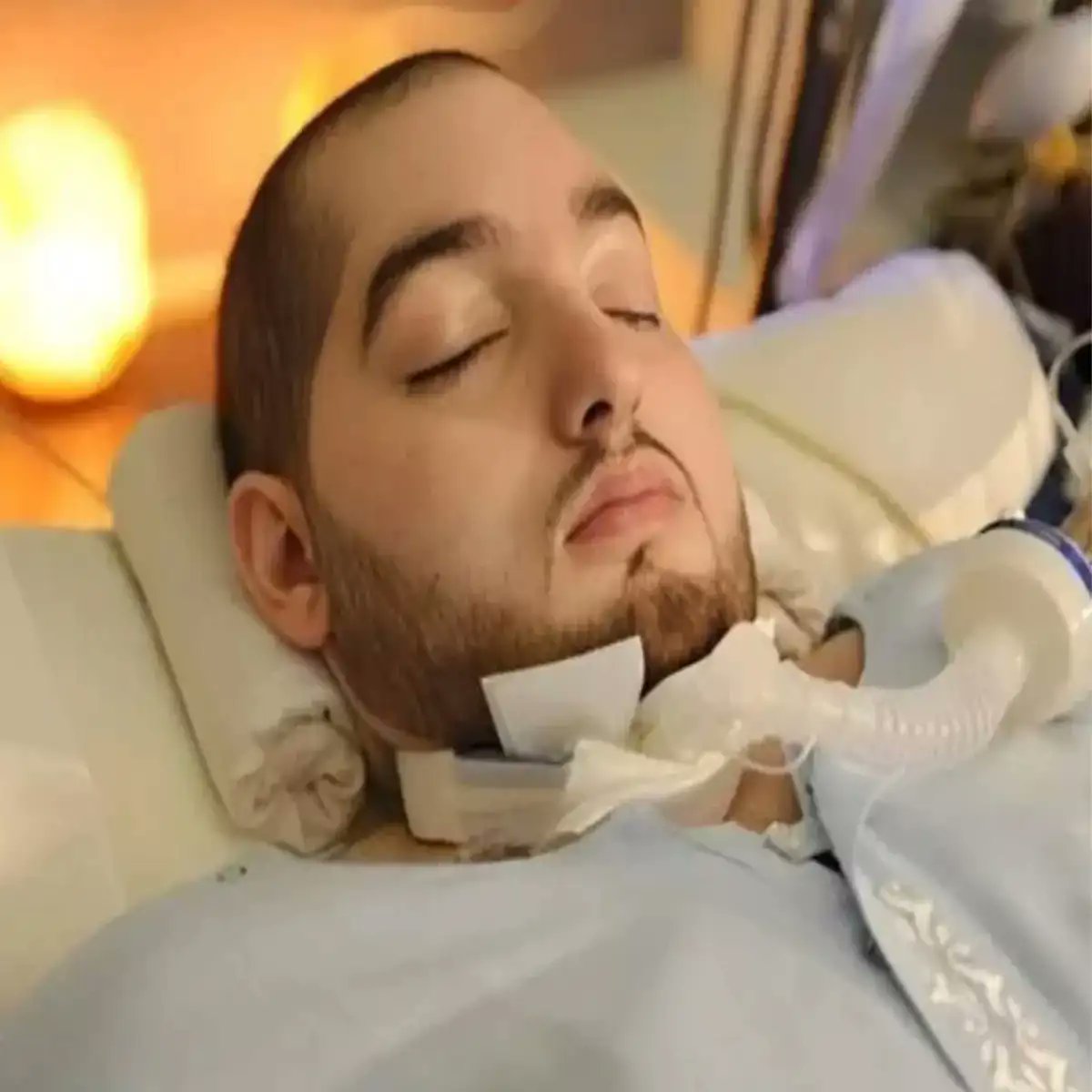
Saudi Arabia’s ‘Sleeping Prince’ Passes Away After 20 Years In Coma.
Riyadh, 19 July 2025 – Prince Al-Waleed bin Khaled bin Talal Al Saud, fondly known as Saudi Arabia’s “Sleeping Prince,” has died after spending nearly two decades in a coma, his family confirmed today. The 36-year-old prince, a great-grandson of Saudi Arabia’s founder, King Abdulaziz Al Saud, succumbed to the effects of a traumatic brain injury sustained in a car accident in 2005. His passing has elicited an outpouring of grief and tributes across the Kingdom and beyond.

The prince’s tragic journey began in 2005 when, as a 16-year-old student at a military college in London, he was involved in a severe car accident. The crash resulted in a brain haemorrhage, plunging him into a coma from which he never fully recovered. Since then, he has been under continuous medical care at King Abdulaziz Medical City in Riyadh, sustained by a ventilator and feeding tube. Despite medical advice in 2015 to withdraw life support, his father, Prince Khaled bin Talal, steadfastly refused, holding onto hope for a miraculous recovery. “If God had wanted him to die in the accident, he would have been in his grave now,” Prince Khaled reportedly said, reflecting his unwavering faith.
Over the years, Prince Al-Waleed became a symbol of resilience and hope, capturing the hearts of millions. His condition drew widespread attention, with social media platforms frequently flooded with prayers and well-wishes, particularly on his birthdays. In 2019, a video showing the prince making slight movements, such as raising a finger or tilting his head, sparked fleeting optimism, though medical experts cautioned that such responses did not indicate a meaningful recovery. In June 2025, a viral video falsely claiming he had awakened was debunked, revealing the footage to be of Saudi rally driver Yazeed Mohamed Al-Rajhi, who had recovered from a separate accident.
Prince Khaled, a prominent member of the Saudi royal family and son of Prince Talal bin Abdulaziz, remained devoted to his son’s care, consulting international specialists from the United States and Spain in hopes of a breakthrough. Throughout sacred occasions, such as Ramadan and Eid Al-Adha, he shared heartfelt prayers for his son’s recovery, often posting emotional messages on social media. On the first day of Eid Al-Adha in June 2025, he wrote, “I ask Almighty God to heal my son and our beloved Al-Waleed,” a testament to his enduring hope.
The Royal Court announced Prince Al-Waleed’s passing through the Saudi Press Agency, stating that funeral prayers would be held on Sunday, 20 July, at Imam Turki bin Abdullah Mosque in Riyadh following the Asr prayer. The family’s statement, shared on X, expressed “profound sadness and sorrow” and quoted a Quranic verse: “O reassured soul, return to your Lord, well-pleased and pleasing [to Him].” The announcement prompted an immediate wave of condolences, with posts on X reflecting the deep emotional impact of the prince’s story. One user wrote, “Inna lillahi wa inna ilayhi raji’un,” a traditional Islamic expression of condolence, while others praised the family’s faith and dedication.
Prince Al-Waleed’s story resonated far beyond Saudi Arabia, highlighting the fragility of life and the power of familial devotion. Though not a direct heir to the throne, his lineage as a great-grandson of King Abdulaziz and great-nephew of King Salman bin Abdulaziz placed him within the intricate tapestry of the House of Saud. His mother, Princess Reema, once spoke of feeling her son’s spirit with them, a sentiment echoed by many who followed his journey.
As the Kingdom mourns, Prince Al-Waleed’s legacy endures as a poignant reminder of hope in the face of adversity. His family’s refusal to give up, despite overwhelming odds, has left an indelible mark on those who prayed for his recovery over the past two decades.
