


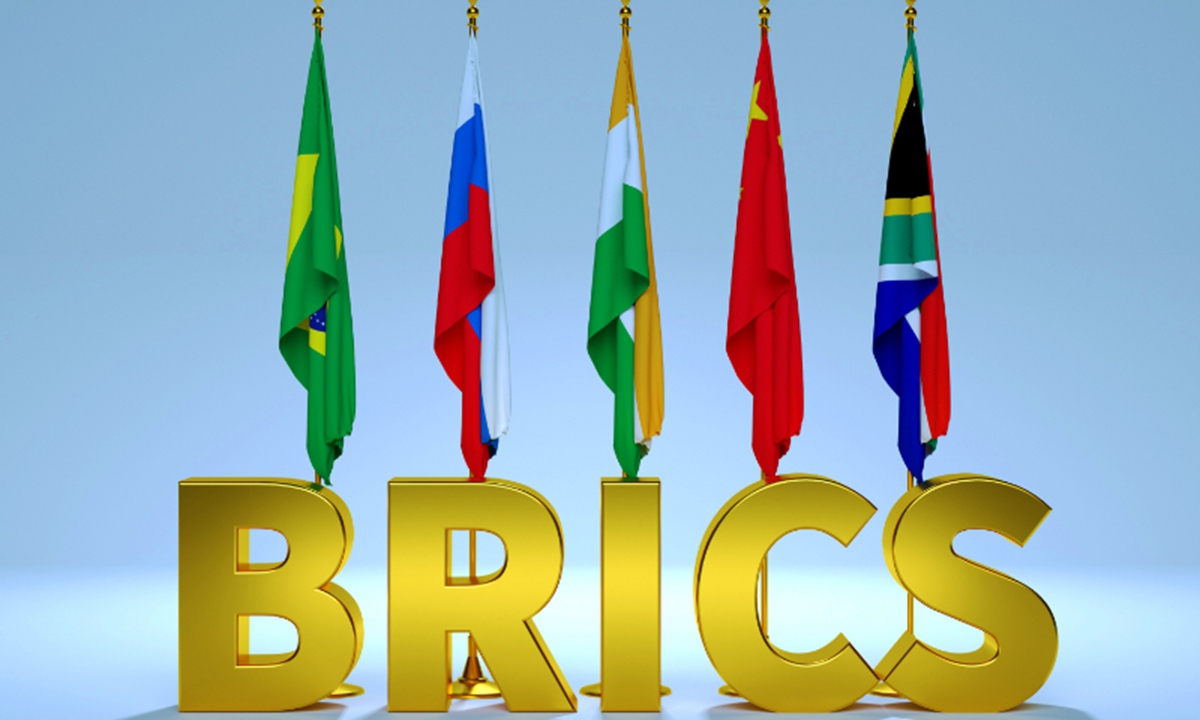
India Rejects BRICS Joint Currency, Backs US Dollar To Bolster Trade Ties.
India has officially distanced itself from proposals for a unified BRICS currency, opting instead to maintain its reliance on the US dollar to safeguard its robust trade relationship with the United States. The decision, announced by Union Commerce Minister Piyush Goyal, underscores New Delhi’s commitment to economic stability and its strategic partnership with Washington, particularly in technology, energy, and defence sectors.

The BRICS alliance—comprising Brazil, Russia, India, China, South Africa, and newer members Egypt, Ethiopia, Indonesia, Iran, and the United Arab Emirates—has been exploring alternatives to the US dollar to reduce dependency on Western financial systems. At the 2024 BRICS Summit in Kazan, Russia, discussions centred on promoting local currency trade and a potential blockchain-based payment system, dubbed the “Unit,” to challenge the dollar’s global dominance. Russian President Vladimir Putin and Chinese leaders have been vocal advocates for these initiatives, citing concerns over the dollar’s use as a geopolitical tool, particularly following sanctions on Russia and Iran.
However, India’s External Affairs Minister S. Jaishankar has consistently clarified that New Delhi has “no interest” in undermining the US dollar. Speaking at the Doha Forum in December 2024, Jaishankar emphasised that India’s economic and strategic policies do not target the dollar, stating, “We have never actively targeted the US dollar. This is not part of our economic, political, or strategic policy.” He highlighted India’s preference for the dollar in international trade, noting its role in providing macroeconomic stability during economic turbulence, especially as the Indian rupee faces depreciation pressures.
Indian businesses, particularly in IT, banking, and export sectors, have expressed concerns that a BRICS currency could disrupt global trade flows and potentially enhance China’s economic influence within the bloc. With India’s GDP growth outpacing many peers, the country is wary of aligning too closely with a currency framework that could benefit Beijing disproportionately, given longstanding geopolitical tensions, including border disputes. “India needs the US dollar to survive as the currency provides security during economic turbulence,” a source close to the Federation of Indian Export Organizations noted.
While India has supported limited trade in local currencies, such as the rupee with nations like Russia and the UAE, it has firmly rejected the notion of a shared BRICS currency. At the Kazan Summit, Prime Minister Narendra Modi welcomed efforts to enhance financial integration among BRICS nations but stressed that such measures should strengthen, not replace, existing trade mechanisms. India’s Reserve Bank has allowed rupee-based trade with 17 countries, including non-BRICS nations like Malaysia and Bangladesh, but the dollar remains dominant, accounting for over 90% of global transactions.
The decision comes amid warnings from US President Donald Trump, who has threatened 100% tariffs on BRICS nations pursuing de-dollarisation. Analysts suggest India’s stance aligns with its broader economic ambitions, including its goal to become the world’s third-largest economy. “India’s rejection of a BRICS currency is a pragmatic move to maintain its strategic autonomy and protect its trade interests,” said Ajay Srivastava of the Global Trade Research Initiative.
As BRICS continues to expand, with 13 partner countries invited in 2024, India’s position highlights a growing rift within the bloc. While Russia and China push for alternatives to the dollar-dominated SWIFT system, India’s preference for the status quo reinforces its role as a counterbalance, prioritising stability and its deepening ties with the US. This bold stance not only shapes India’s economic trajectory but also signals its intent to navigate global financial shifts on its own terms.
