


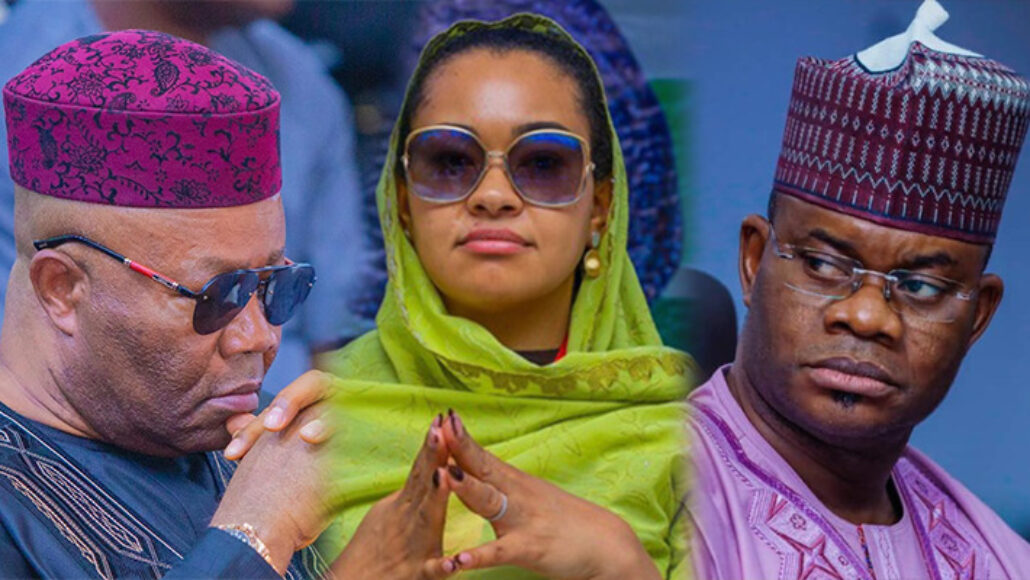
FG Files Criminal Charges Against Senator Natasha Akpoti-Uduaghan Over Alleged Defamatory Claims.
The Nigerian Federal Government has initiated criminal proceedings against Senator Natasha Akpoti-Uduaghan, representing Kogi Central, over allegations she made during a television interview. The charges stem from claims made by the senator on Channels TV in April, where she alleged that Senate President Godswill Akpabio and former Kogi State Governor Yahaya Bello were involved in an assassination plot against her. Both Akpabio and Bello are set to testify as witnesses in the case, alongside four others, according to reports from TheCable and posts circulating on X.
The allegations, which have sparked widespread controversy, were described by Akpoti-Uduaghan as a response to ongoing tensions, including her claims of sexual harassment by Akpabio, which have galvanised public support, particularly among women’s rights advocates. The senator’s outspoken criticism of powerful figures has positioned her as a polarising figure, with some praising her courage and others questioning the veracity of her claims.

The Federal Government’s decision to pursue criminal charges has raised eyebrows, with some observers suggesting it could be an attempt to silence a vocal critic. Posts on X indicate a mixed public reaction, with some users expressing support for Akpoti-Uduaghan, while others view the legal action as justified given the gravity of her accusations. The inclusion of high-profile figures like Akpabio and Bello as witnesses is expected to intensify scrutiny of the case, which could have significant political implications.
Legal experts note that the case hinges on whether Akpoti-Uduaghan’s statements constitute defamation or fall under protected speech. The senator has yet to publicly respond to the charges, but her history of resilience—evidenced by her relentless pursuit of justice in the face of alleged harassment—suggests she will mount a robust defence.
The trial is set to be a closely watched affair, with potential ramifications for freedom of expression and political accountability in Nigeria. As the case unfolds, it is likely to fuel further debate about the intersection of politics, gender, and power in the country’s public sphere.
