


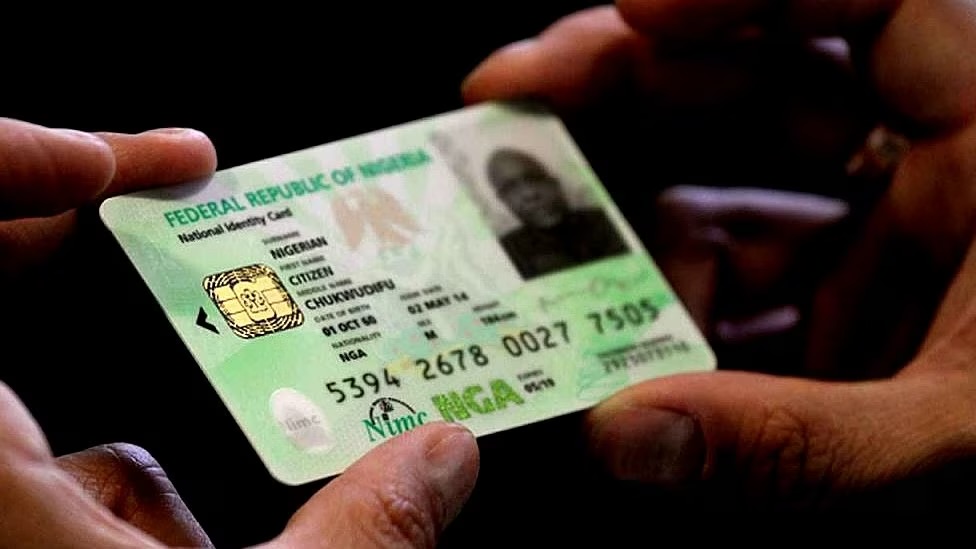
Federal Government To Link Credit Scores To NIN, Introducing New Consequences For Loan Defaulters.
In a move to bolster financial accountability, the Federal Government of Nigeria has announced plans to link citizens’ credit scores to their National Identification Number (NIN). This initiative, spearheaded by the Nigeria Consumer Credit Corporation (CREDICORP), aims to establish a centralised credit bureau, ensuring a robust and traceable credit system across the nation. The policy is set to introduce significant consequences for loan defaulters, including potential difficulties in renewing passports, driver’s licences, or securing housing.
Uzoma Nwagba, Managing Director of CREDICORP, revealed the initiative during a press briefing in Abuja, organised by the Presidential media team. He emphasised that the linkage of credit scores to NINs will create a comprehensive database of Nigeria’s credit profiles, fostering a culture of responsible borrowing. “All loan providers, whether commercial banks, FinTechs, or microfinance institutions, will be mandated to report loan performance,” Nwagba stated. “This ensures every Nigerian has an accurate and traceable credit score. If you owe money, there will be no hiding place.”

The new policy is designed to impose “subtle and structured” consequences for defaulters, rather than predatory measures. For instance, individuals who fail to repay loans may face obstacles when attempting to renew essential documents like passports or driver’s licences, or even when renting a home. “Maybe you want to renew your passport, but if your credit score reflects unpaid debts, you may not be able to proceed,” Nwagba explained. This approach aims to encourage timely loan repayments while enhancing financial inclusion and economic growth.
CREDICORP estimates that Nigeria requires approximately ₦183 trillion in credit to support broad-based development. “No government has that kind of money,” Nwagba noted, underscoring the need for financial institutions to commit to sustainable consumer credit. By linking credit scores to NINs, the government seeks to instil confidence in lenders, making credit more accessible to Nigerians.
In addition to the credit score initiative, CREDICORP announced the forthcoming launch of a nationwide consumer credit programme targeting 400,000 young Nigerians, starting with National Youth Service Corps (NYSC) members under the YouthCred scheme. Olanike Kolawole, Executive Director of Operations at CREDICORP, confirmed that the programme will expand to include youths aged 18 to 35, in partnership with banks, tech companies, and youth-focused organisations. “The systems and platforms are fully set up, and we are ready for the official launch,” she said.
The initiative has sparked widespread discussion, with many praising its potential to curb loan defaults and promote financial discipline. Posts on X reflect public sentiment, with users noting the policy’s potential to ensure accountability. “This is a good step towards responsible borrowing,” one user commented, echoing the optimism surrounding the move.
However, the policy also raises questions about its implementation and impact on ordinary Nigerians, particularly those facing economic hardships. CREDICORP has assured that the measures will be fair and structured to avoid undue hardship. “This is about improving lives and reducing financial missteps,” Nwagba said, highlighting President Bola Tinubu’s commitment to enhancing the quality of life through accessible credit.
As Nigeria moves towards a more transparent credit system, the linkage of credit scores to NINs marks a significant step in fostering economic stability and accountability. With the consumer credit programme set to roll out soon, the nation is poised to embrace a new era of financial responsibility.
