


Federal Government Refutes Claims Of Raising JSS1 Admission Age To 12.
The Federal Ministry of Education in Nigeria has dismissed reports suggesting that the minimum age for admission into Junior Secondary School 1 (JSS1) has been increased to 12 years. The ministry clarified that the existing policy, which sets the minimum age at 10 years, remains unchanged, ensuring that no child should complete primary education before reaching this age.
In a statement issued on Friday in Abuja, Mrs Folasade Boriowo, the ministry’s Director of Press, described the circulating reports as “entirely inaccurate” and not reflective of official government policy. The clarification follows claims that a new policy document had set a 12-year minimum age for JSS1 admission, primarily targeting non-state schools, also known as private institutions. These reports also suggested that nursery school admissions would be restricted to children aged three and above. Mrs Boriowo firmly debunked these assertions, urging the public and educational stakeholders to disregard them.

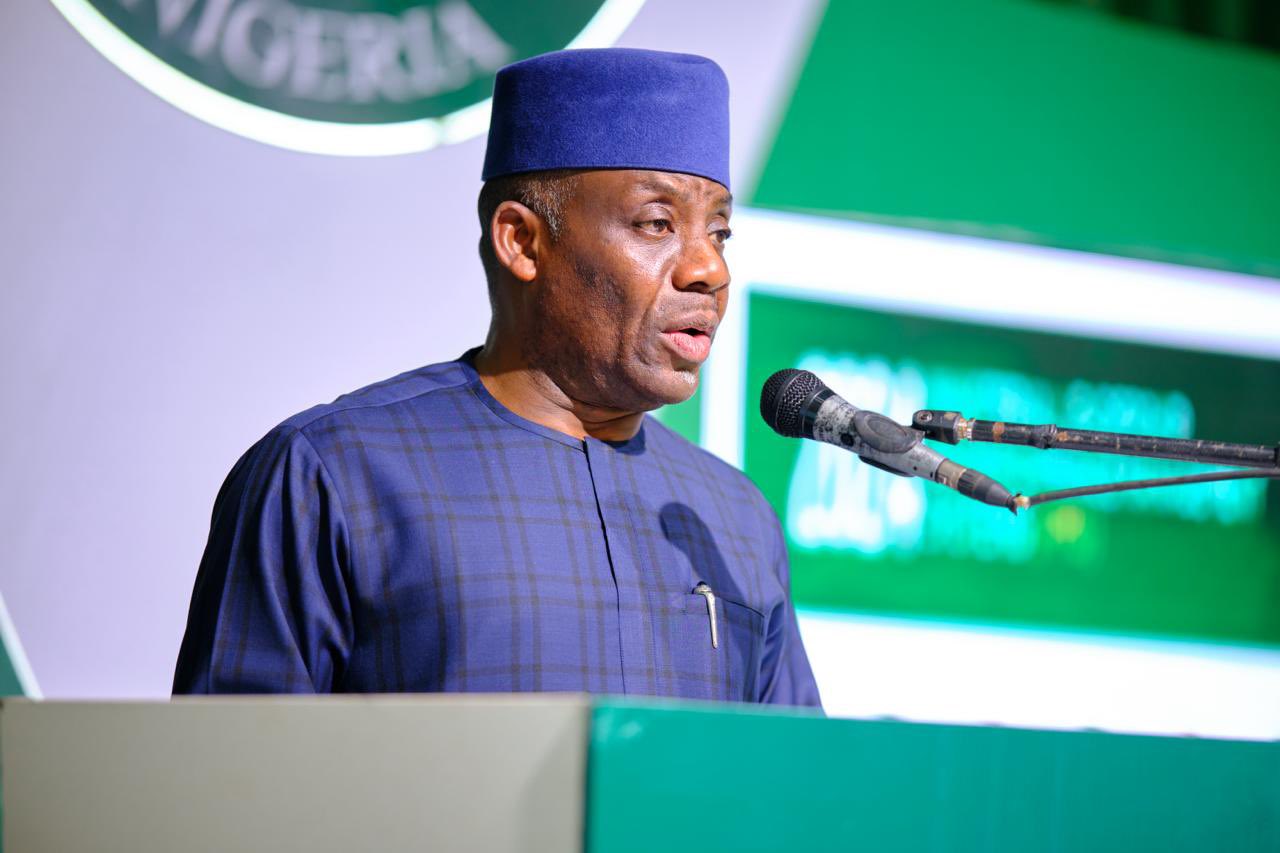
The Honourable Minister of Education, Dr Tunji Alausa, reiterated that the prescribed minimum age for admission into Nigerian universities remains 16 years. This policy, he stated, is non-negotiable and ensures that students are both cognitively and emotionally prepared for the demands of higher education. Dr Alausa emphasised the ministry’s commitment to maintaining age-appropriate benchmarks to support students’ academic and personal development.
The ministry’s statement also addressed earlier controversies surrounding admission age policies. Last year, under former Education Minister Prof. Tahir Mamman, a proposal to set the university admission age at 18 sparked significant debate, with stakeholders arguing it could exclude exceptionally talented students. Following consultations, the ministry settled on 16 as the minimum age for tertiary institutions, with provisions for gifted students to be exempt upon demonstrating exceptional academic ability.
Mrs Boriowo advised parents, schools, and media outlets to rely solely on verified information from official ministry channels. The Federal Ministry of Education reaffirmed its dedication to transparency and the promotion of age-appropriate educational policies, aligning with the Renewed Hope Agenda of the current administration.
This clarification brings relief to parents and educators concerned about potential disruptions to the academic progression of young students. The ministry’s firm stance ensures continuity in the education system, maintaining the balance between academic readiness and developmental maturity.
