


EFCC Secures Largest Asset Recovery In Its History.
The Economic and Financial Crimes Commission (EFCC) has achieved its largest asset recovery to date, following the final forfeiture of a sprawling estate in Abuja. The estate, covering 150,500 square metres and comprising 753 units of duplexes and apartments, is located on Plot 109, Cadastral Zone C09, Lokogoma District.
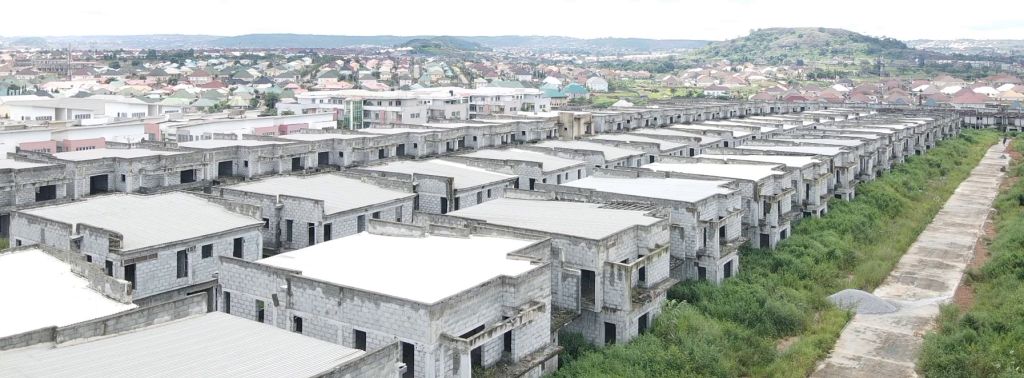
The ruling was delivered on Monday, 2nd December 2024, by Justice Jude Onwuegbuzie, marking a significant milestone in the Commission’s fight against corruption. The forfeiture, involving a former senior government official, underscores the EFCC’s commitment to ensuring that the proceeds of unlawful activities are not enjoyed by the corrupt.

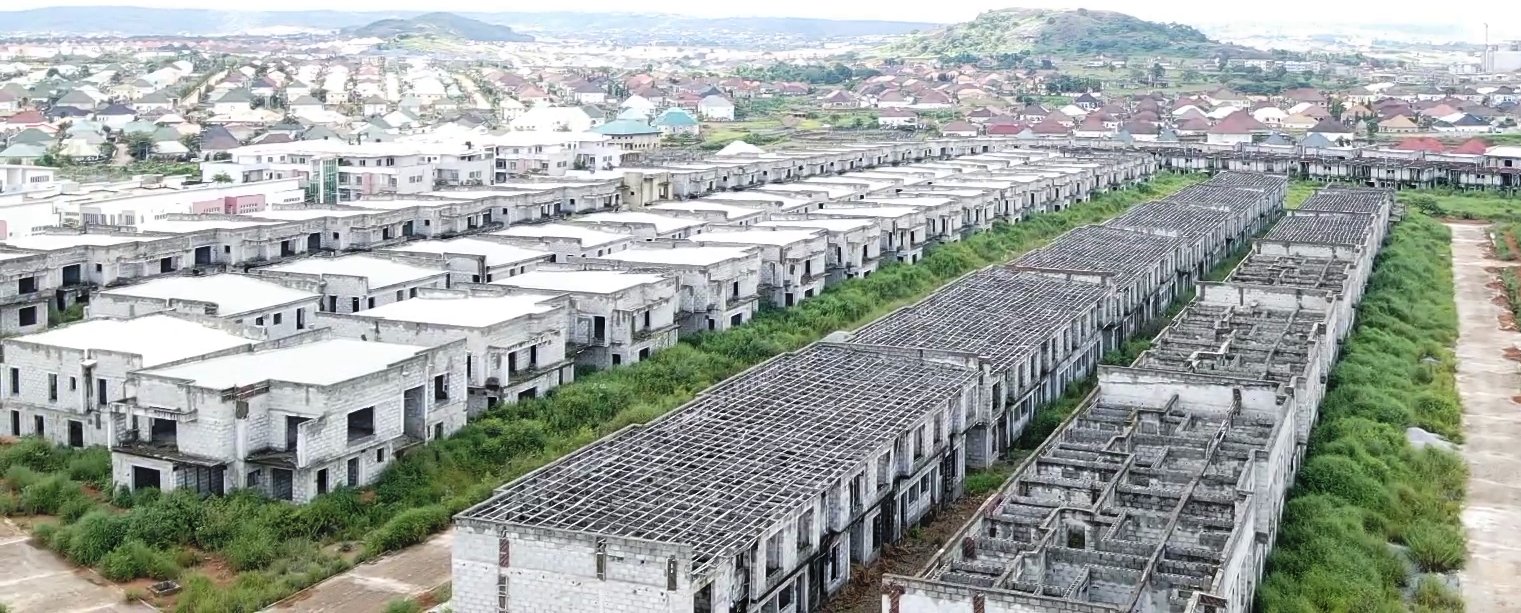
Legal Grounds for Forfeiture
Justice Onwuegbuzie ruled that the respondent failed to provide sufficient evidence to retain ownership of the estate, which was “reasonably suspected to have been acquired with proceeds of unlawful activities.” The court relied on Section 17 of the Advance Fee Fraud and Other Fraud Related Offences Act No. 14, 2006, and Section 44(2)(b) of the 1999 Constitution of Nigeria to justify the decision.
The case progressed from an interim forfeiture order granted on 1st November 2024 to the final ruling. The EFCC’s investigation into the government official involved is ongoing.
Strategic Importance of Asset Recovery
The forfeiture aligns with the EFCC’s strategy to deprive individuals of assets acquired through fraudulent means. The Commission’s Executive Chairman, Mr. Ola Olukoyede, has consistently emphasised that asset recovery is a key weapon in the fight against corruption and financial crimes.
Speaking recently to the House of Representatives Committee on Anti-Corruption, Olukoyede outlined the challenges and importance of asset tracing:
> “Recovering one billion naira is a war. The moment we start investigations, we simultaneously begin asset tracing. Asset recovery weakens the corrupt by depriving them of the proceeds of their crimes, preventing them from using these resources to undermine justice.”
Legislative Backing
The EFCC’s mandate for asset recovery is derived from Part 2, Section 7 of the *EFCC Establishment Act*, which empowers the Commission to investigate economic and financial crimes and scrutinise properties disproportionate to an individual’s income.
This landmark recovery showcases the EFCC’s strengthened modus operandi, which integrates asset tracing with financial crime investigations. It sends a strong message to those engaging in corrupt practices, reaffirming the Commission’s determination to protect Nigeria’s economic integrity.
A Step Forward in the Anti-Corruption Fight
The recovery of the Lokogoma estate not only reflects the EFCC’s growing capacity but also signals the federal government’s unwavering commitment to combating corruption. It is a reminder that ill-gotten gains will not remain untouched, ensuring accountability and justice in Nigeria’s fight against financial crimes.
