


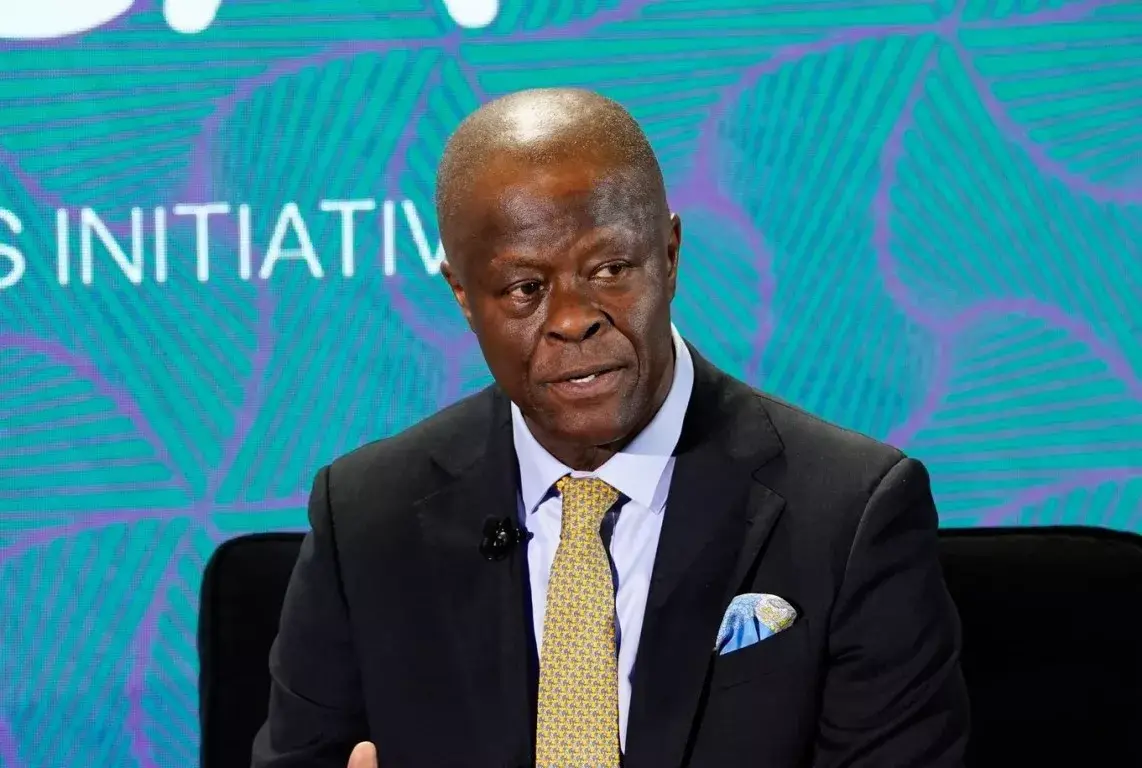
Edun Leads Nigeria’s Delegation To IMF Spring Meetings In Washington.
The Minister of Finance and Coordinating Minister of the Economy, Wale Edun, is currently leading Nigeria’s delegation to the 2025 International Monetary Fund (IMF) Spring Meetings in Washington D.C. The meetings, held from April 21 to April 26, bring together delegations from 190 countries to discuss key global economic issues and strengthen international financial stability.
Accompanying Edun at the meetings are Chief Executive Officers of various financial institutions, representatives from the private sector, civil society organisations, non-governmental organisations, and other important stakeholders. The discussions aim to foster a more resilient global economy, capable of withstanding economic shocks and promoting sustainable development.

The primary objective of the IMF Spring Meetings is to promote macroeconomic stability, provide policy advice, and monitor the economic health of its member countries. At the core of the event is a series of consultations with member nations to offer guidance on navigating economic challenges, improving financial stability, and eradicating poverty.
Edun, in his remarks, highlighted Nigeria’s commitment to engaging with global financial bodies to enhance its economic resilience. The delegation’s participation is focused on discussing Nigeria’s economic priorities, including sustainable development, tackling poverty, and addressing the impacts of climate change on the economy.
Key discussions at the meeting include the global economic outlook, financial stability, and the pressing need for reforms in the global financial architecture to better support developing nations. The IMF will also release its World Economic Outlook and the Global Financial Stability Report, which will assess global economic trends and financial systems, identifying systemic issues that need to be addressed.
Another important aspect of the meetings will be the economic impacts of climate change. Experts will discuss strategies to mitigate these effects, particularly on developing economies, which are often more vulnerable to climate-related challenges.
The IMF, along with the World Bank, plays a crucial role in global financial governance. While the IMF focuses on maintaining the stability of the international monetary system and overseeing economic surveillance, the World Bank is dedicated to reducing poverty and promoting development in developing countries through loans, policy advice, and technical assistance.
The ongoing discussions in Washington are seen as a vital opportunity for Nigeria to engage with international partners and align its economic strategies with global trends, while also exploring avenues for greater financial collaboration and sustainable development.
