


Coca-Cola To Reintroduce Cane Sugar In US Drinks, Trump Announces.
President Donald Trump has revealed that Coca-Cola, the iconic American beverage giant, will switch to using cane sugar in its US-produced drinks, marking a significant shift from the high-fructose corn syrup (HFCS) used since the 1980s. The announcement, made on 16 July 2025 via Trump’s Truth Social platform, follows discussions between the President and Coca-Cola’s leadership, including CEO James Quincey.

In his post, Trump expressed enthusiasm for the change, stating, “I have been speaking to Coca-Cola about using REAL Cane Sugar in Coke in the United States, and they have agreed to do so. I’d like to thank all of those in authority at Coca-Cola. This will be a very good move by them — You’ll see. It’s just better!” The move aligns with the Trump administration’s “Make America Healthy Again” initiative, led by Health Secretary Robert F. Kennedy Jr., which has pushed for the removal of controversial ingredients like HFCS from processed foods.
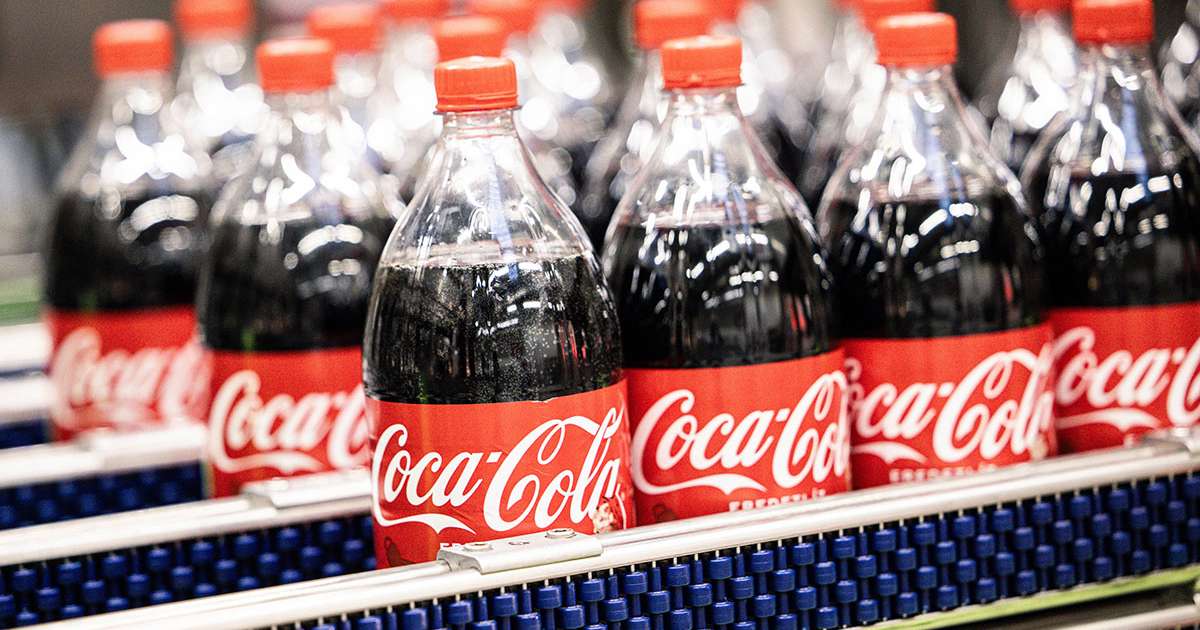
Coca-Cola, while not explicitly confirming the full switch, responded positively, with a spokesperson noting, “We appreciate President Trump’s enthusiasm for our iconic Coca-Cola brand. More details on new innovative offerings within our Coca-Cola product range will be shared soon.” This suggests a potential reformulation or the introduction of cane sugar-sweetened products, possibly mirroring the popular “Mexican Coke,” which uses cane sugar and has garnered a cult following in the US for its distinct taste.
The shift reverses a decision made in 1984, when Coca-Cola adopted HFCS due to US subsidies for corn and high tariffs on imported sugar, which made HFCS a cheaper alternative. Cane sugar, historically the original sweetener in Coca-Cola’s 19th-century recipe, is prized by some consumers for its cleaner flavour. However, the transition could raise production costs and impact shelf life, potentially leading to higher prices for consumers.
The announcement has sparked mixed reactions. Supporters, including advocates of the “Make America Healthy Again” movement, view it as a step towards healthier ingredients, with Kennedy citing HFCS as a contributor to obesity and chronic illnesses. However, the Corn Refiners Association, led by President John Bode, criticised the move, arguing that replacing HFCS with cane sugar “would cost thousands of American food manufacturing jobs, depress farm income, and boost imports of foreign sugar, all with no nutritional benefit.” The US corn industry, particularly in Iowa, has long benefited from subsidies that make HFCS the default sweetener.
The policy also raises questions about trade dynamics, as cane sugar is primarily grown in Florida, Louisiana, and Texas, with significant imports from Brazil and Mexico. Trump’s proposed 50% tariff on Brazilian imports, set to begin on 1 August 2025, could complicate the supply chain, potentially increasing costs further. Despite this, the move is seen as a nod to consumer demand for natural ingredients, with many Americans already seeking out cane sugar-sweetened “Mexican Coke” in glass bottles.
While Coca-Cola has yet to detail the timeline or scope of the change, the announcement has ignited excitement among soda enthusiasts and nostalgia-driven consumers. Trump, a well-known Diet Coke aficionado—famously installing a “Diet Coke button” in the Oval Office—has framed the shift as a win for American consumers, even though his preferred drink uses aspartame, not sugar. As the beverage industry watches closely, this move could set a precedent for broader changes in how companies approach sweeteners in response to health and consumer trends.
