


China To Scrap Tariffs On African Imports In Major Trade Boost.
In a landmark move to deepen economic ties with Africa, China has announced plans to eliminate tariffs on imports from 53 African countries with which it maintains diplomatic relations. The decision, unveiled at a China-Africa cooperation meeting in Changsha, Hunan province, on 11 June 2025, comes as African nations face the threat of increased tariffs on their exports to the United States.
The zero-tariff policy, set to apply to 100% of tariff lines for products from these countries, expands on a 2024 initiative that granted duty-free access to 33 African nations classified as “least developed,” such as Uganda and Ethiopia. The move will open China’s vast consumer market to a broader range of African goods, including raw materials like those from the Democratic Republic of Congo and Guinea, as well as agricultural and manufactured products from middle-income nations. Only Eswatini, which recognises Taiwan as an independent state, is excluded from the policy due to China’s stance on Taiwan as a breakaway province.

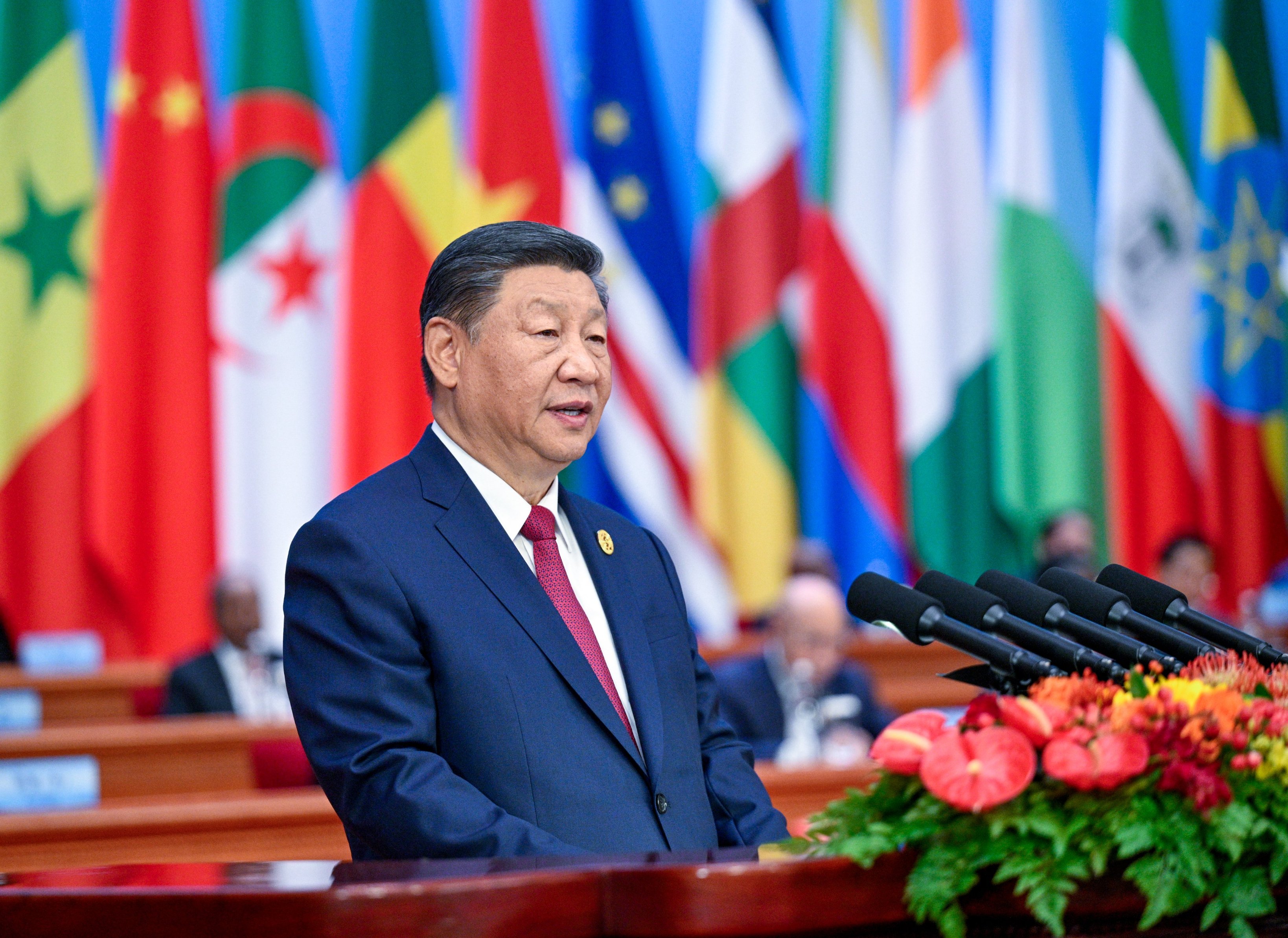
Chinese President Xi Jinping, in a letter read at the Forum on China-Africa Cooperation (FOCAC) meeting, emphasised Beijing’s commitment to fostering mutually beneficial trade. “China is willing to extend zero-tariff measures to 53 African countries, providing more convenience for exports to China,” the letter stated. The announcement has been hailed as a strategic response to recent U.S. trade policies, which include proposed tariffs of up to 50% on imports from African countries like Lesotho, 30% on South Africa, and 14% on Nigeria, threatening the African Growth and Opportunity Act (AGOA) that previously allowed duty-free access for some African goods.
In 2024, the U.S. imported $39.5 billion worth of goods from Africa, while China remains the continent’s largest trading partner, importing significant volumes of raw materials and other products. Posts on X reflect enthusiasm for the move, with commentators noting its potential to boost African exports and profits, particularly for least-developed nations. However, some voices, like Nigerian financial analyst Kalu Aja, questioned why such a comprehensive policy was not implemented earlier, suggesting it could reshape trade dynamics significantly.
The initiative aligns with China’s broader efforts to strengthen ties with Africa amid global trade tensions, including its ongoing trade war with the U.S. China’s Foreign Minister Wang Yi, speaking at the Changsha meeting, called for nations, particularly the U.S., to resolve trade disputes cooperatively, reinforcing Beijing’s stance against protectionism. China’s investments in African infrastructure, agriculture, and technology, alongside initiatives like the Belt and Road, have already cemented its role as Africa’s biggest lender and trading partner.
Analysts suggest the tariff elimination could counterbalance the economic pressure African nations face from U.S. tariffs, which have disrupted global supply chains and reduced U.S. imports from Africa to their lowest levels since 2021. By offering duty-free access, China aims to increase African exports, stimulate local economies, and enhance its influence across the continent. The policy is expected to take effect following further negotiations, with African ministers expressing optimism about the opportunities it presents.
This development marks a significant step in China-Africa relations, offering a lifeline to African exporters and reinforcing China’s position as a key partner in the continent’s economic growth. As global trade faces uncertainty, Africa stands to gain from this bold commitment to open markets.
