


Canada Marks Historic Milestone With First Natural Gas Exports To Asia.
Kitimat, British Columbia, 16 July 2025 – Canada has entered a new era in its energy sector, with the first-ever shipment of liquefied natural gas (LNG) departing from British Columbia’s northern coast to Asia. The landmark cargo, loaded onto the tanker GasLog Glasgow, set sail from the LNG Canada facility in Kitimat on 30 June 2025, bound for South Korea, marking a significant step in diversifying Canada’s export markets beyond its traditional reliance on the United States.
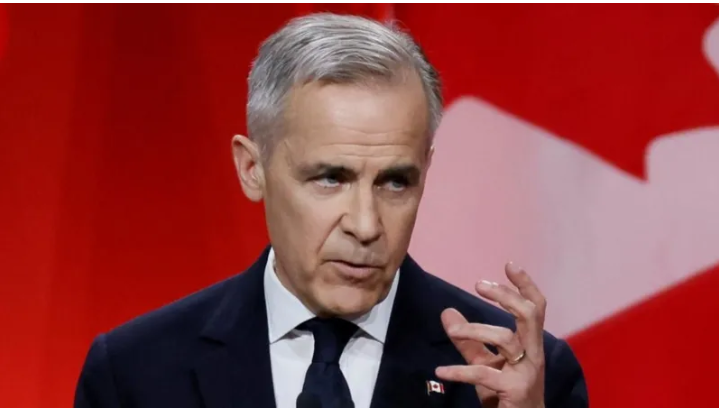
The $40 billion LNG Canada project, the largest private sector investment in Canadian history, is a joint venture led by Shell (40%), alongside Malaysia’s Petronas, PetroChina, Japan’s Mitsubishi Corporation, and South Korea’s KOGAS. The facility, located in the traditional territory of the Haisla Nation, began producing LNG in June 2025 and is now exporting from its two processing units, with a combined capacity of 14 million tonnes per annum. Prime Minister Mark Carney hailed the achievement, stating, “Canada is exporting its energy to reliable partners, diversifying trade, and reducing global emissions—all in partnership with Indigenous Peoples.”

The shipment, which takes just 10 days to reach Asia compared to 20 days from US Gulf Coast facilities, leverages Canada’s strategic Pacific coast location and abundant natural gas reserves, the world’s ninth-largest. Fed by the 670-kilometre Coastal GasLink pipeline from northeast British Columbia, the Kitimat plant offers a competitive edge by avoiding chokepoints like the Panama Canal. This milestone comes amid heightened trade tensions with the US, where President Donald Trump’s tariffs and annexation threats have underscored the need for Canada to broaden its export horizons.
The project has already delivered significant economic benefits, creating over 50,000 jobs during construction and more than 300 permanent roles, with $5.8 billion in contracts awarded to Indigenous-owned and local businesses. Haisla Nation Chief Councillor Crystal Smith praised LNG Canada’s collaborative approach, noting, “They chose to build a relationship first, ensuring our community benefits for decades to come.” British Columbia Premier David Eby added, “This marks a major milestone in building a stronger, more diversified economy, creating good jobs and reducing our reliance on the US.”
However, the expansion of Canada’s LNG sector has sparked debate. Environmental groups, including Stand.Earth, argue that the emissions from producing, liquefying, and shipping LNG undermine Canada’s climate commitments, particularly due to methane leaks, which have a far greater warming impact than carbon dioxide. Critics like Anna Barford contend that LNG is not a viable “bridge fuel” to replace coal, as it requires extensive infrastructure and risks becoming a stranded asset as global demand for renewables grows. Despite these concerns, proponents highlight that Canadian LNG could displace coal in Asia, potentially reducing global emissions by up to 630 million tonnes annually if production doubles, according to the Fraser Institute.
As Canada joins the ranks of LNG-exporting nations, with plans for additional projects like Woodfibre LNG and Cedar LNG by 2028, the nation is poised to become a significant player in the global energy market. For now, the GasLog Glasgow’s voyage signals a bold step forward, opening new markets and strengthening ties with Asian partners while navigating the challenges of a rapidly evolving energy landscape.
