


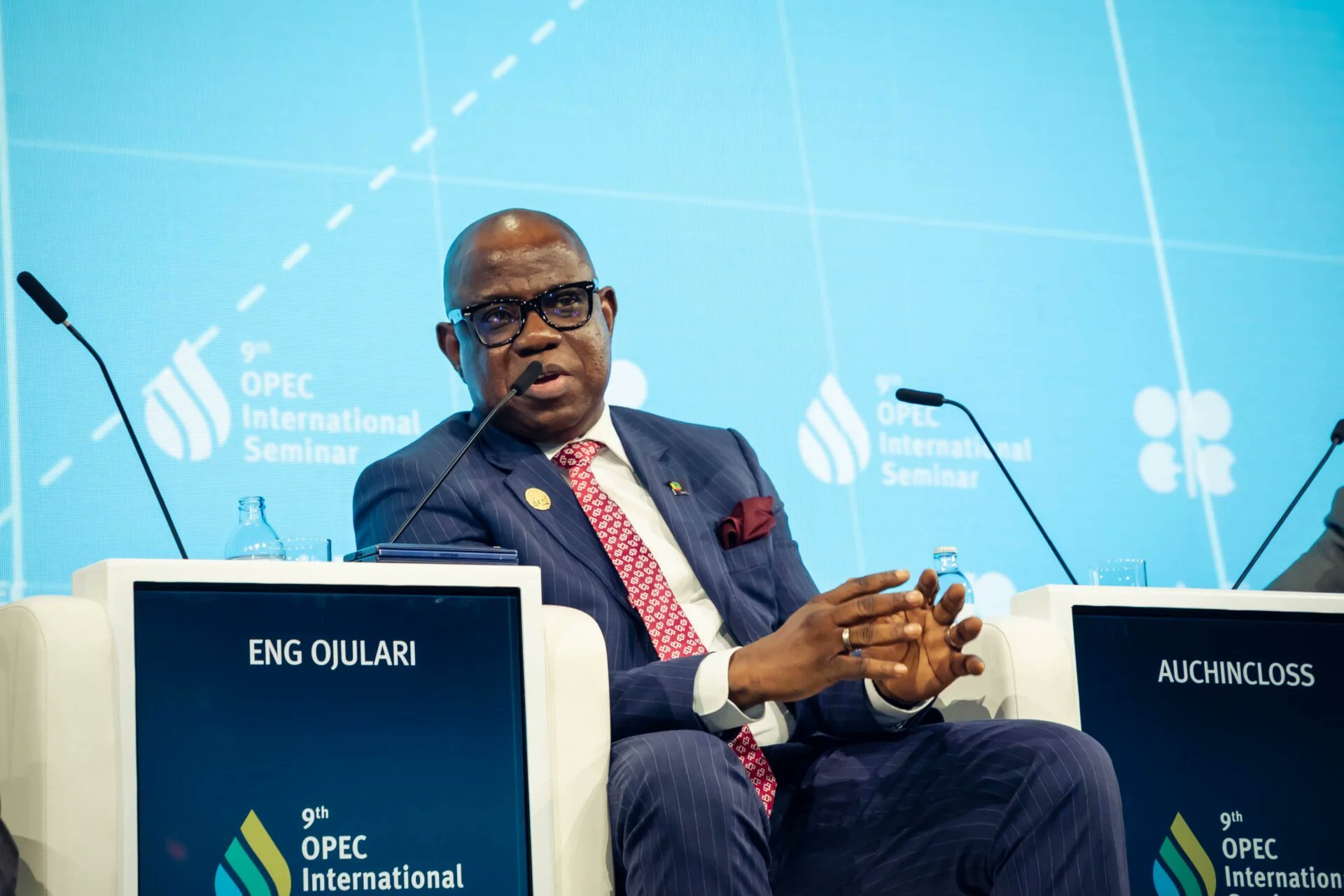
NNPC Managing Director Bayo Ojulari Resigns Amid Controversy.
Bayo Ojulari, the Group Chief Executive Officer of the Nigerian National Petroleum Company Limited (NNPCL), has tendered his resignation, sparking widespread speculation and conflicting reports about the circumstances surrounding his departure. The announcement, made on 2nd August 2025, comes just four months after his appointment by President Bola Tinubu in April, marking a turbulent end to his brief tenure at the helm of Nigeria’s state-owned oil company.

Ojulari, a seasoned engineer and former Shell executive, was appointed to lead NNPCL with high expectations, given his extensive experience in the petroleum industry. His resignation, however, has been mired in controversy, with reports suggesting he was pressured to step down. Sources claim that on the night of Friday, 1st August, Ojulari was taken to a discreet location in Abuja by operatives of the Economic and Financial Crimes Commission (EFCC) and the Department of State Services (DSS). There, he was allegedly compelled to sign a resignation letter under duress, in an operation described by insiders as a “civilian coup” not sanctioned by President Tinubu. The presidency has since denied these claims, refuting allegations of a forced resignation or sack.
The reasons behind Ojulari’s exit remain contentious. Some reports link the resignation to allegations of financial mismanagement and fraud, including claims that Ojulari used a businessman, Bashir Haske, a known associate of former Vice President Atiku Abubakar, to launder billions of naira from NNPCL funds. Additionally, Ojulari faced scrutiny over a lavish NNPCL-sponsored delegation to an oil and gas conference in Kigali in July, which reportedly cost millions of dollars. He has consistently denied these allegations, attributing them to a smear campaign by detractors.
Further controversy surrounds Ojulari’s alleged connections to Olatimbo Ayinde, a British-Nigerian oil executive said to wield significant influence within the Tinubu administration. Sources claim Ojulari was questioned about his knowledge of Ayinde, who faces bribery charges in the United Kingdom related to former Nigerian oil ministers. Ojulari reportedly denied any personal ties to her, stating he rejected attempts by her to influence NNPCL operations.
Public reaction to Ojulari’s resignation has been mixed, with many Nigerians expressing scepticism about NNPCL’s leadership and transparency. Social media platforms, particularly X, have been abuzz with criticism, with users pointing to persistent fuel queues, high petrol prices, and unaccounted funds as evidence of deeper systemic issues within the company. One user remarked, “NNPC is celebrating milestones, but Nigerians are still queuing for fuel at N910/litre. Where is the progress?”
The NNPCL has yet to issue an official statement confirming or denying the circumstances of Ojulari’s resignation. However, the presidency’s swift denial of any forced exit suggests an effort to quell speculation and maintain stability in the oil sector. As Nigeria grapples with energy reforms and economic challenges, Ojulari’s departure raises questions about the future direction of NNPCL and its ability to deliver on ambitious targets, such as increasing oil production and refining capacity.
Ojulari’s tenure, though brief, was marked by significant restructuring, including the controversial dismissal of over 200 staff members, aimed at promoting diversity within the organisation. His vision for a self-sufficient African refining hub, articulated at a recent conference in Abuja, garnered attention but failed to silence critics who questioned his leadership amid ongoing controversies.
As the dust settles, all eyes are on President Tinubu and the NNPCL board to appoint a successor capable of navigating the complex challenges facing Nigeria’s oil industry. For now, Ojulari’s sudden exit leaves a cloud of uncertainty over the nation’s energy sector, with the true reasons behind his resignation yet to be fully clarified.
