


Breaking: Nigeria Releases £50 Billion To Settle University Staff Allowances, Boosting Education Sector.
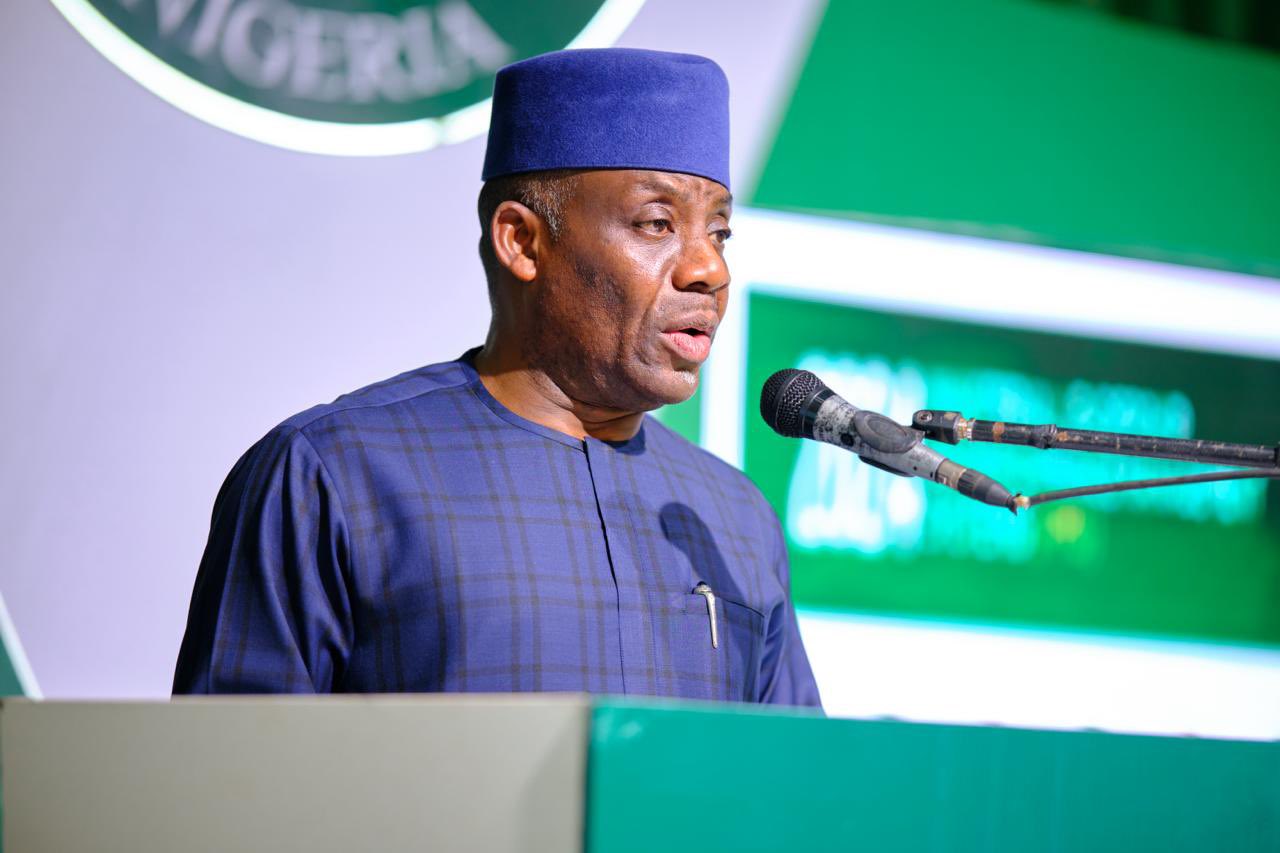
The Federal Government has announced the release of N50 billion (£27 million) to settle long-standing earned allowances for university staff. The funds, unveiled by Education Minister Maruf Olatunji Alausa in Abuja, will benefit both academic and non-academic staff unions, including the Academic Staff Union of Universities (ASUU), marking a significant step towards stabilising the nation’s higher education system.
The initiative, part of President Bola Ahmed Tinubu’s Renewed Hope Agenda, aims to address financial grievances that have historically triggered strikes and disrupted academic calendars. Speaking at the announcement, Minister Alausa described the release as a testament to the government’s commitment to transforming Nigeria into a knowledge-based economy. “This is more than a financial allocation; it’s an investment in our youth and the dedicated staff who shape their future,” he said.

The N50 billion will be distributed among various university staff unions to ensure fair compensation for earned allowances, a persistent issue in negotiations with the government. This inclusive approach targets both academic and non-academic personnel, potentially reducing tensions that have led to industrial action in the past. The Ministry of Education’s spokesperson, Boriowo Folasade, hailed the move as a pivotal moment for fostering uninterrupted academic sessions and elevating educational standards.
This development follows a history of financial interventions, such as the N163 billion released in 2019 and N65 billion offered in 2020 to address similar concerns. However, the 2025 allocation stands out for its broad scope, encompassing all federal university staff unions. Analysts suggest this could pave the way for more stable and productive academic environments, aligning with the government’s vision of global competitiveness in education.
Despite the optimism, there are whispers of potential challenges. Some unions, including the Non-Academic Staff Union of Educational and Associated Institutions (NASU), have raised concerns about the equitable distribution of funds, with allegations of preferential treatment for ASUU. While details remain unclear, the government has pledged transparency to ensure all parties benefit fairly.
The release is a cornerstone of broader educational reforms under President Tinubu’s administration, which seeks to enhance infrastructure, human capital, and academic quality. By addressing immediate financial needs, the government hopes to lay the groundwork for systemic improvements, reducing the likelihood of future disruptions.
Stakeholders across the education sector have welcomed the news, though some urge swift and transparent implementation to maintain trust. As Nigeria navigates its transition to a knowledge-driven economy, this N50 billion injection signals a promising commitment to its academic community and the nation’s future.
