

Close Menu
Gofishe News
  • Home
  • Entertainment
  • National
  • International
  • Tech
  • Politics
  • Sports
  • PMNI
  • More
    • Business
    • Culture
    • Education
    • History
    • Health
  • Featured
    • Govima Travel
    • Govima Media
    • Govima TV
Facebook X (Twitter) Instagram
Trending
  • Premier League Matchday Review: Saturday, 30 August 2025 – Thrills And Drama Across Stadia
  • Anambra Community Celebrates Rescue And Restoration After 15-Hour Security Operation
  • PDP South-West Chairman Defiant As Wike’s Threats Fail To Derail National Convention
  • Katsina State Allocates ₦20m Per Local Government For Graveyard Renovations
  • UK Government Bars Over 100 Job Roles From Foreign Recruitment in Immigration Crackdown
  • ASUU Slams Federal Government Over Inaction, Demands Concrete Action On 2009 Agreement
  • Nigeria Mourns Ruth Elton, Oldest Serving Missionary, Who Passed Away At 91
  • Shea Industry Poised For Growth As Stakeholders Rally Behind Nigeria’s Export Ban
X (Twitter) Instagram
Gofishe NewsGofishe News
Subscribe
Saturday, December 6
  • Home
  • Entertainment
  • National
  • International
  • Tech
  • Politics
  • Sports
  • PMNI
  • More
    • Business
    • Culture
    • Education
    • History
    • Health
  • Featured
    • Govima Travel
    • Govima Media
    • Govima TV
Gofishe News
Home»Culture

Africa And Scars

Onyinyechi NwanunobiBy Onyinyechi NwanunobiMay 9, 2023 Culture No Comments3 Mins Read
Share Facebook Twitter LinkedIn Email WhatsApp

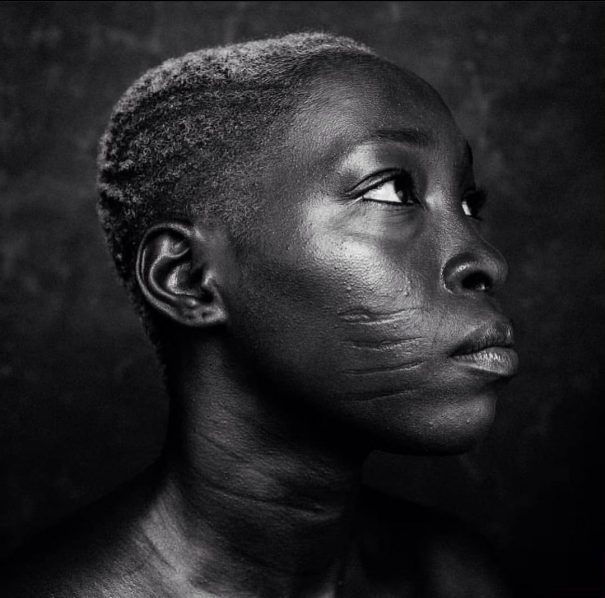
Scarification has a deep African history.

There were a lot of associated reasons, values and implications to scarification in the olden days.

Although it has become drastically unpopular, some people still choose to carry the marks of their ancestors more so without proper knowledge.

In Benin republic, West Africa, among the Houeda ethnic people, there is a popular belief that the scarification of children would create a connection with them and their ancestors. After the scars are done on their faces, they are given new names, have their hairs shaved off before they are led to an oracle whose job is to help them communicate with previous generations.



In most tribes in the western region of Africa, scarification plays an important role in gender identity and sexual expression. The scars are seen as beautiful elements of attraction. They are believed to enhance one’s features in order to stimulate and attract potential sexual partners. This is common among the people of Tiv in Nigeria. These people also believe that merely touching the scars can induce strong erotic feelings in both men and women.

Again, scarification is seen as a sign of dignity and social status. Back in the day, warriors would scar their bodies to show that they have successfully killed someone from an enemy tribe or better still, won a battle. Another is after a strenuous yet successful hunting. This is basically because they all signify bravery and strength, which in turn commands respect.

A woman with extensive scars is then perceived as strong and resilient to go through the pains of childbirth.

The process of scarification, on the other hand, is painful no matter how it is carried out. One common way is by cutting repeatedly with a hot iron or blade. The facial area is first cleaned with water, then a design is picked ( mostly strokes) after which, they cut and burn the skin until the desired width and depth is reached. Another method involves scratching, scrapping and cutting designs that leave permanent scars on the body. The duration of healing of a scar is roughly six to twelve months which depends largely on skin types and the extent of the would.

Therefore, by contrast, scarification especially in West Africa is viewed as self-harming, mutilative and self objectifying. It is also seen as an outdated cruel practice and involuntary (in the case of little children) markings which induce pains and suffering. It is necessary then that everyone including children is given the knowledge about scarification, its processes, importance and values, and then allowed the choice to make for their own bodies. This, of course, will require that children be old enough to decide for themselves, whether yes or no to scarification.

In this modern times, however, scarification may have lost its values and perceived importance in most parts of the continent. Now makeovers, body creams and lotions have taken over its aesthetic values. People no longer need a scar to appear attractive and sexy and there are not many such battles nor hunters anymore.

Now people with scarification marks are viewed as local, ignorant and outdated. There is a kind of stigma associated with it- one of shame, fear and low self-esteem, whilst they look for ways to cover up their marking themselves or as Linda Osifo once confessed, through surgery especially when questions such as “if I got scratched by lions in Africa” are asked.

This shouldn’t be the case. And everyone should be allowed to decide for themselves to avoid regrets and resentments.

Share. Facebook Twitter LinkedIn WhatsApp
Onyinyechi Nwanunobi
  • Website

Keep Reading

5 Strongest Warrior Tribes In Africa

Navigating Nigeria’s Peak Season: Insights Into Ever-changing Consumer Habits – Aleph Group

NNPC Partners Stakeholders To Revitalise Nigerian Football

5 Most Prominent Ancient African Kingdoms

“None Of Us Can Change Our History”: King Charles Calls For Justice And Reflection At Commonwealth Summit

5 Best Places To Hike In Nigeria

Add A Comment

Comments are closed.

Here is spotlighting many benefits of journeying with either Lagos State’s Blueline or Redline rails for a hassle-free day, week, month and year. Thank God for the Igbega Eko. Together we rise.
https://youtu.be/V67GV8wgyjw

Latest Posts

  • Premier League Matchday Review: Saturday, 30 August 2025 – Thrills And Drama Across Stadia
  • Anambra Community Celebrates Rescue And Restoration After 15-Hour Security Operation
  • PDP South-West Chairman Defiant As Wike’s Threats Fail To Derail National Convention
  • Katsina State Allocates ₦20m Per Local Government For Graveyard Renovations
  • UK Government Bars Over 100 Job Roles From Foreign Recruitment in Immigration Crackdown
Featured
About Govima

Govima was founded with the goal of helping clients thrive in today’s highly competitive marketing environment. While other companies rush to abandon traditional marketing in favour of digital techniques, we’ve bolstered our offline marketing capabilities while also equipping our team with seasoned professional knowledge to support our clients’ digital needs.

Through creative designs, we enhance our clients’ products and services the right way that would attract their target audience, thus, making the perception of their company a reality.

  • LTV 8, Agidingbi Road, Alausa, Ikeja, Lagos.
  • +234 806 003 7277
  • info@govima.com
Govima, Your Best Plug For Bus Stop Shelter Ad

LATEST POSTS

Premier League Matchday Review: Saturday, 30 August 2025 – Thrills And Drama Across Stadia

August 31, 2025

Anambra Community Celebrates Rescue And Restoration After 15-Hour Security Operation

August 31, 2025

PDP South-West Chairman Defiant As Wike’s Threats Fail To Derail National Convention

August 31, 2025

Katsina State Allocates ₦20m Per Local Government For Graveyard Renovations

August 31, 2025

UK Government Bars Over 100 Job Roles From Foreign Recruitment in Immigration Crackdown

August 31, 2025
Featured

Subscribe to Updates

Get the latest news from Govima about politics, economy, health ad business.

Facebook X (Twitter) Instagram Pinterest
© 2025

Type above and press Enter to search. Press Esc to cancel.

Go to mobile version